 Save to Pinterest
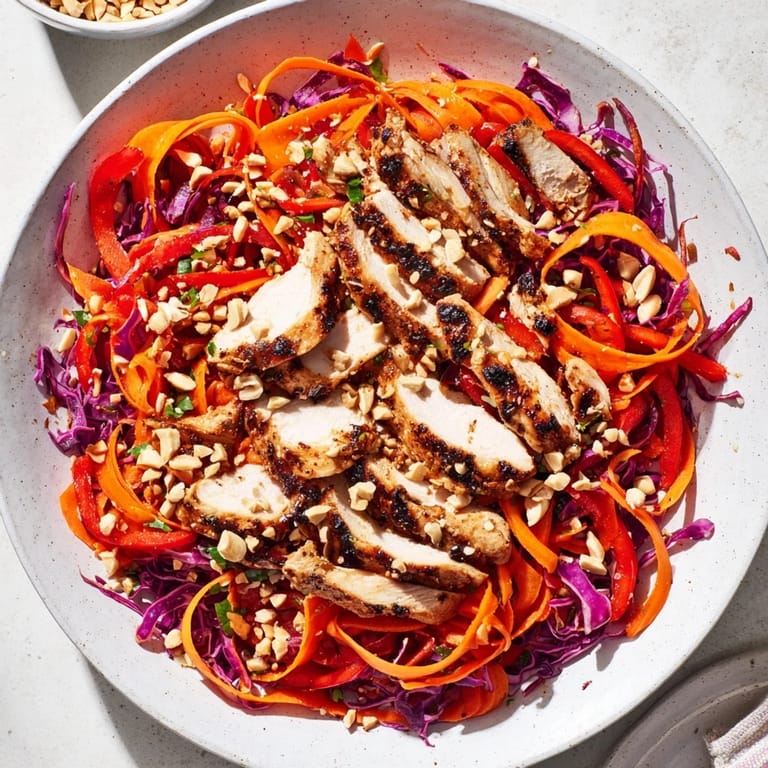
 There's something about a carrot that demands respect in the kitchen. I learned this watching my neighbor peacefully spiralize vegetables on a Tuesday afternoon, her hands moving with such rhythm that the whole process looked meditative. That day, she made a slaw that was nothing like the heavy, mayo-laden versions I'd grown up with, and I was struck by how something so simple—ribbons of carrot, a whisper of ginger, tender chicken—could feel both bright and substantial. This is that slaw, refined over countless meals and shared with friends who always ask for the recipe.
I made this for a potluck once, nervous it would disappear into the crowd of heavier dishes, but instead people came back to it multiple times. There's a certain magic in how the warm chicken contrasts with the cool, crisp vegetables, and how the dressing ties everything together without overwhelming the delicate flavors. That's when I realized this wasn't just a quick lunch—it was something people genuinely wanted more of.
Ingredients
- Boneless, skinless chicken breasts (about 400 g): The foundation of this dish; buy the thickest ones you can find so they cook evenly without drying out.
- Soy sauce: Use tamari if you need gluten-free, and don't skip it in the marinade—it seasons the chicken from the inside out.
- Sesame oil: The toasted variety is essential here; it adds a warmth that regular oil can't match.
- Fresh ginger: Freshly grated makes all the difference; jarred ginger tastes hollow by comparison.
- Large carrots: The stars of the show; choose ones with a deep orange color and a slight sweetness.
- Red cabbage: Finely shredded so it softens slightly and absorbs the dressing without becoming mushy.
- Red bell pepper: Adds sweetness and visual pop; yellow or orange work beautifully too.
- Scallions: The brightness factor that keeps everything from feeling too heavy.
- Fresh cilantro: Trust me on this; it's the secret that makes people say the flavor tastes familiar but can't place why.
- Roasted peanuts: Optional, but they add a textural contrast that makes the dish feel complete.
- Toasted sesame seeds: A gentle nod to Asian flavors without any pretension.
- White miso paste: The umami backbone of the dressing; it brings depth without fishiness.
- Rice vinegar: Milder and softer than regular vinegar, it lets other flavors shine through.
- Honey or maple syrup: Just enough sweetness to balance the savory elements and ginger's heat.
- Neutral oil: Canola or grapeseed keeps the dressing from overpowering the fresh flavors.
- Fresh lime juice: Squeezed right before use; bottled versions taste flat by comparison.
- Garlic clove: One small clove is all you need; anything more and it becomes aggressive.
Tired of Takeout? 🥡
Get 10 meals you can make faster than delivery arrives. Seriously.
One email. No spam. Unsubscribe anytime.
Instructions
- Marinate the chicken:
- Combine soy sauce, sesame oil, ginger, salt, and pepper in a bowl. This isn't about deep flavor development—just 10 minutes gives the chicken enough seasoning to be interesting without the texture becoming mushy.
- Cook the chicken:
- Heat your pan over medium heat until it's properly hot; you'll hear a gentle sizzle when the chicken hits the surface. Cook 5–7 minutes per side depending on thickness, then let it rest for a few minutes so the juices redistribute before slicing.
- Prepare the vegetables:
- Use a vegetable peeler to shave the carrots into ribbons; it's meditative work and the ribbons are more delicate than julienne. Toss them into a large bowl as you work so they don't brown.
- Make the dressing:
- Whisk the miso with rice vinegar first to break it down, then add the remaining ingredients. Taste as you go—you might want an extra squeeze of lime or a touch more honey depending on your miso paste.
- Assemble the slaw:
- Add the warm sliced chicken to the vegetables while it's still slightly warm; this lets the dressing absorb into everything. Toss gently so the carrot ribbons don't tear.
- Garnish and serve:
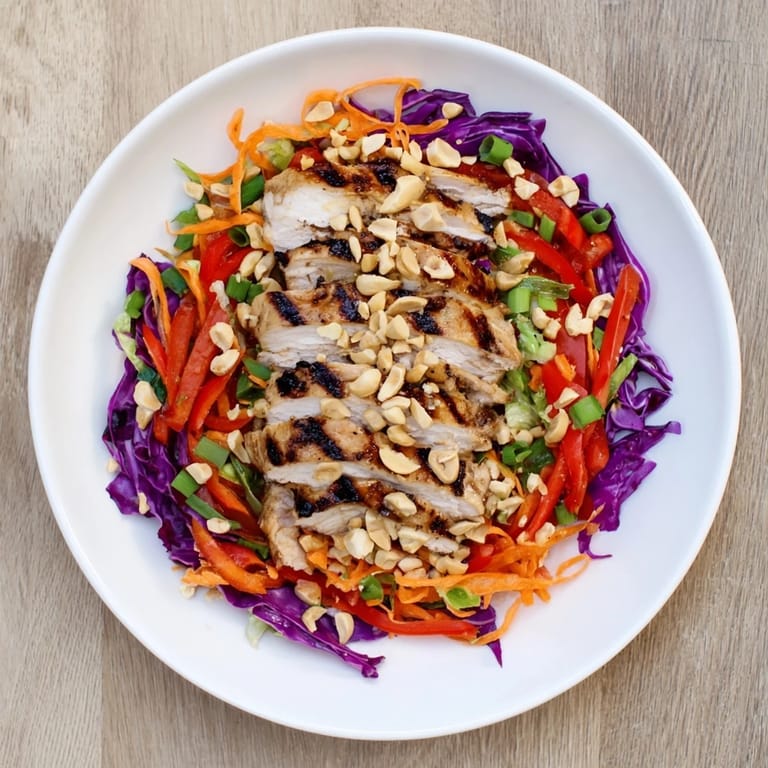
- The peanuts and sesame seeds are the final flourish, adding texture that makes each bite feel intentional. Serve right away so everything stays crisp.
 Save to Pinterest
 A friend once told me that food isn't really about being perfect—it's about moments when people slow down enough to taste what's in front of them. This slaw does that. It's the kind of dish that makes lunch feel intentional rather than rushed.
The Art of the Carrot Ribbon
The first time I tried to make carrot ribbons, I pushed too hard and the peeler slipped, nearly taking my thumbnail with it. Now I understand the rhythm: gentle pressure, one long stroke, let the peeler do the work. The ribbons should be thin enough that you can see light through them, but not so delicate they tear when you toss the slaw. If your carrots are particularly thick, peel them lengthwise first to create more ribbon-like pieces.
Making the Dressing Your Own
The beauty of a dressing like this is that it adjusts to your preferences without falling apart. If you find it too spicy, add a bit more honey. If it tastes flat, a squeeze more lime juice wakes everything up. I've made it with brown miso on busy nights and it still tastes wonderful, though white miso stays true to the original intention. The key is that all the components are meant to work together, so tweaking one thing doesn't require rebalancing everything else.
Variations That Work
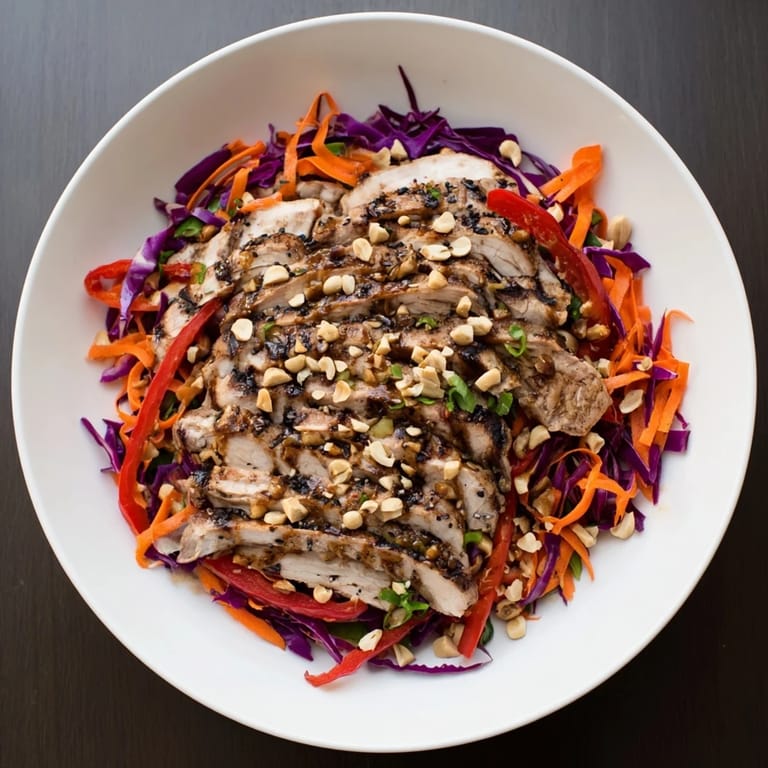
I've made this salad a hundred different ways depending on what's in my fridge and who I'm feeding. Grilled tofu or tempeh replaces the chicken beautifully for vegetarian nights, absorbing the dressing even better than the meat version. Sometimes I add cucumber for extra crunch, or snap peas for a little sweetness. The framework stays the same, but the details can shift completely.
- Try adding sliced cucumber, edamame, or shredded beets for variations in color and texture.
- Swap the sesame seeds for pomegranate arils if you want a different kind of brightness.
- Make this with grilled tofu for a vegetarian version that's just as satisfying as the chicken.
 Save to Pinterest
 This is the kind of salad that reminds you why fresh, simple ingredients matter. Serve it alongside something cool to drink and watch it disappear.
Questions & Answers
- → How do I make carrot ribbons?
Use a vegetable peeler to thinly shave peeled carrots into ribbon-like strips for a delicate texture.
- → What can substitute chicken for a vegetarian option?
Grilled tofu or tempeh work well as protein-rich alternatives while maintaining the dish's texture.
- → How is the ginger-miso dressing prepared?
Whisk together white miso, rice vinegar, soy sauce, honey, ginger, toasted sesame oil, neutral oil, lime juice, and minced garlic until smooth.
- → What gives the salad its crunch?
Fresh carrot ribbons, red cabbage, sliced bell pepper, scallions, and optional roasted peanuts create varied crunchiness.
- → Can this salad be made ahead?
Assembling just before serving preserves crispness, but you can prepare chicken and dressing in advance to save time.