 Save to Pinterest
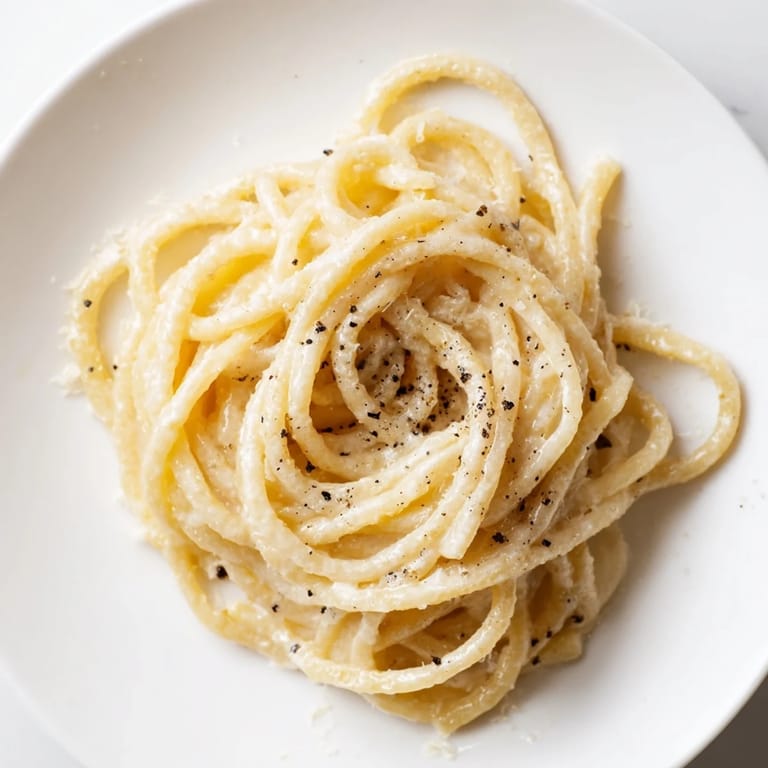
 There's something about standing in front of an open fridge at 7 PM with absolutely nothing planned for dinner that forces you to get creative. I found myself staring at a block of Parmesan, a stick of butter, and a box of spaghetti, and somehow that simple trio whispered a promise: this is enough. No cream, no garlic, no complicated technique—just the three ingredients that have been making Italian grandmothers smile for generations. That night taught me that the best meals aren't always the ones with the longest ingredient lists; sometimes they're the ones that prove how little you actually need.
I made this for my roommate on a Wednesday night when we were both broke and tired, and watching her face light up when she tasted it felt like discovering something sacred. She asked if I'd added cream, then looked genuinely shocked when I said no—just pasta, butter, Parmesan, and the starchy water clinging to the noodles. That's the moment I realized this wasn't just a quick fix; it was proof that restraint in the kitchen can be more impressive than abundance.
Ingredients
- 200 g dried pasta: Spaghetti, linguine, or fettuccine work beautifully here—the thinner shapes let the sauce cling perfectly, and you want something that cooks in around 9 to 11 minutes so everything stays hot when you build the sauce.
- 50 g unsalted butter: This is your foundation, so use real butter with a good flavor, not something that tastes like it came from the back of a freezer; room temperature butter melts more evenly and creates a silkier emulsion.
- 60 g freshly grated Parmesan cheese: Grate it yourself from a wedge right before you need it—pre-grated cheese has anti-caking agents that prevent it from melting into that dreamy, creamy texture you're after.
- Salt and freshly ground black pepper: Use flaky sea salt if you have it, and don't skip the pepper—it's one of only three flavor players here, so it deserves to be good.
Tired of Takeout? 🥡
Get 10 meals you can make faster than delivery arrives. Seriously.
One email. No spam. Unsubscribe anytime.
Instructions
- Boil the pasta with intention:
- Fill a large pot with salted water—it should taste like the sea—and bring it to a rolling boil before adding your pasta. Stir occasionally as it cooks and taste it at the package's recommended time minus one minute; you want it to have just the slightest resistance when you bite it, because it'll soften a touch more when you toss it with the hot sauce.
- Rescue that liquid gold:
- Before you drain anything, grab a measuring cup or a mug and scoop out about 150 ml of the starchy, cloudy pasta water—this is the miracle worker that turns butter and cheese into something that clings to every strand. Then drain the pasta, but don't rinse it; you want all those tiny starch particles still clinging to the noodles.
- Melt and coat off the heat:
- Dump the hot pasta back into the empty pot (which should still be warm) and immediately add the butter, tossing constantly until every piece of pasta gleams with melted butter. This only takes about 30 seconds, and working off the heat prevents the butter from breaking and turning greasy.
- Build the sauce with patience:
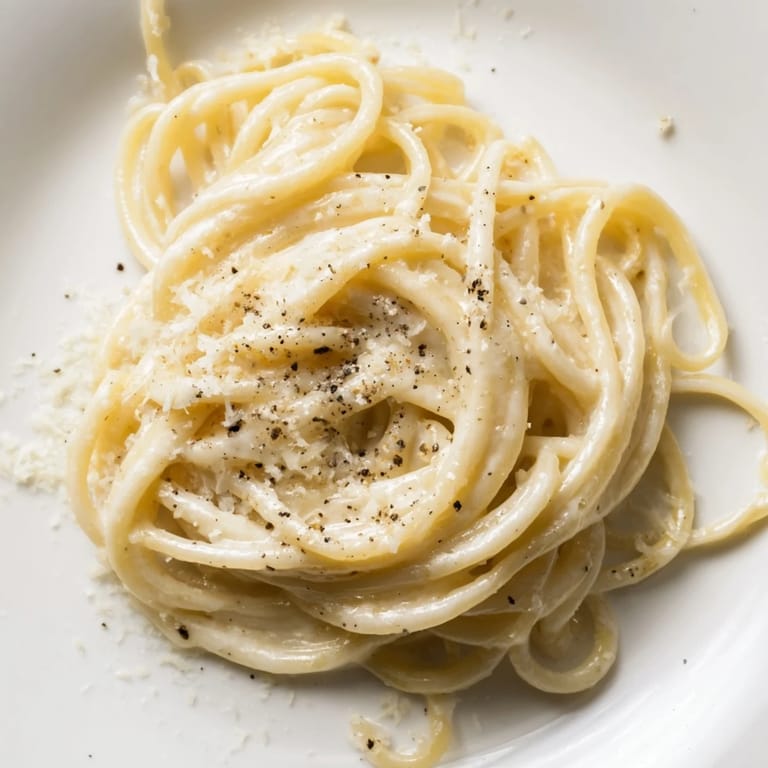
- Sprinkle in the Parmesan and pour in about 60 ml of that reserved pasta water, then toss vigorously—and I mean really go at it—until the cheese melts and transforms with the starch into a silky, creamy sauce. If it looks too thick, add a splash more water and keep tossing until it flows like liquid velvet.
- Season and serve immediately:
- Taste it, adjust the salt and pepper, then plate it right away while everything is still steaming and glossy; this dish doesn't wait well, and five minutes sitting in the pot is five minutes of it drying out.
 Save to Pinterest
 The first time someone asked me to explain how this simple dish made them feel full and satisfied, I realized pasta isn't really about nutrition—it's about how butter and cheese can make you feel held, somehow, like someone's taking care of you. Even when it's just you, making it in your own kitchen, there's something deeply kind about feeding yourself something this good with so little fuss.
Why This Recipe Changed Everything for Me
Growing up, I thought cooking had to be complicated to be worthwhile, but this pasta taught me that the opposite is often true. When you strip away everything unnecessary, you're forced to focus on quality—the kind of butter you use actually matters, the age of your Parmesan becomes important, and the water clinging to your pasta isn't something to waste but something to celebrate. It's the culinary equivalent of someone asking you a simple question and you realizing the answer is far deeper than you expected.
The Science of Simplicity
What makes this dish work is emulsification—a fancy word for how fat and starch and water come together and refuse to separate, creating something greater than the sum of its parts. The Parmesan cheese isn't just seasoning; it's a thickening agent, and the pasta water isn't a last-minute fix; it's an essential ingredient that transforms butter and cheese from separate elements into a unified sauce. Understanding this makes you feel less like you're winging it and more like you're conducting a tiny, delicious science experiment.
Variations and Secret Additions
Once you understand the bones of this dish, you can play with it endlessly, and that's where the real joy lives. A whisper of freshly grated nutmeg adds an almost imperceptible warmth that makes people wonder what you did differently, and torn fresh herbs—parsley, basil, or even a hint of thyme—add a brightness that cuts through the richness beautifully. Red pepper flakes scattered on top give it a gentle heat, and if you're feeling adventurous, a squeeze of lemon juice or a tiny pinch of garlic powder can change the whole mood of the dish.
- For a sharper bite, swap Parmesan for Pecorino Romano and use a little less of it since it's more intense.
- If you have truffle oil or good quality olive oil, a drizzle at the end creates something almost restaurant-worthy.
- Gluten-free pasta works beautifully here as long as you drain it well and follow the same technique.
 Save to Pinterest
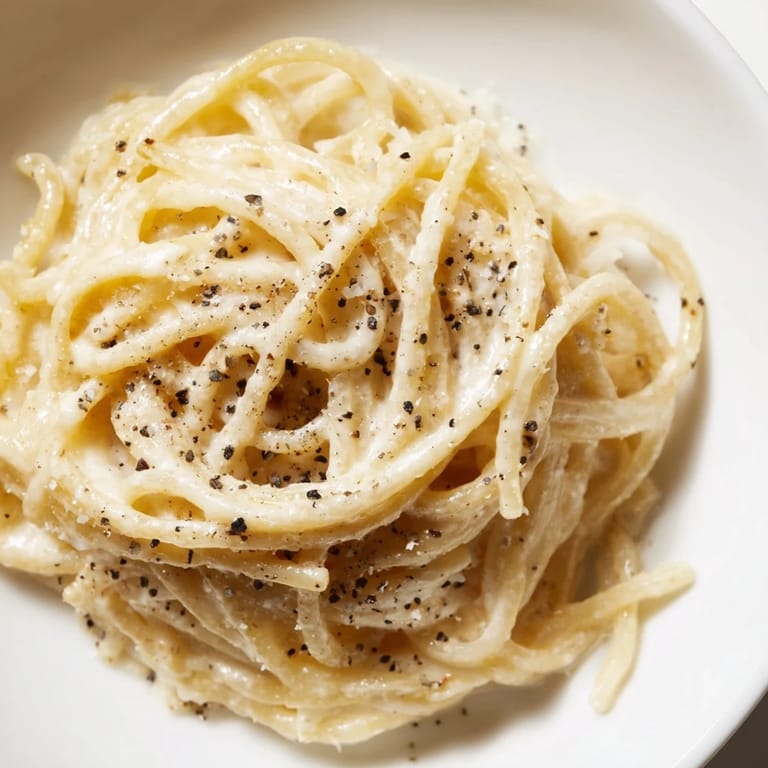
 This recipe is a quiet reminder that sometimes the best things in life really are the simplest ones. Serve it to yourself on a Monday night when you need proof that you can take care of yourself, or share it with someone else and watch their face when they realize how little it took to create something this good.
Questions & Answers
- → What type of pasta works best for this dish?
Long pasta like spaghetti, linguine, or fettuccine are ideal as they evenly hold the creamy sauce.
- → Can I use different cheese instead of Parmesan?
Pecorino Romano can be used for a sharper, saltier flavor, adding a nice twist.
- → How does pasta water help the sauce?
The starchy pasta water helps emulsify the butter and cheese, creating a smooth and creamy sauce.
- → Is it necessary to keep the pot off heat when mixing?
Yes, tossing pasta off heat prevents the cheese from clumping and helps achieve a velvety texture.
- → Can I make this dish gluten-free?
Gluten-free pasta can be substituted as needed without affecting the sauce technique.
- → Are there any tips for enhancing flavor?
Adding a pinch of freshly grated nutmeg or fresh herbs can elevate the overall taste.