 Save to Pinterest
 I discovered this dish on a weeknight when I had salmon thawing and three nearly-ripe oranges sitting on the counter. Rather than reach for my usual lemon-butter approach, I grabbed a jar of gochujang that had been gathering dust in my pantry, and something clicked. The combination of umami-rich chili paste and bright citrus felt like discovering a secret shortcut to restaurant-quality cooking. Within 35 minutes, I had sticky, caramelized salmon that tasted like it came from somewhere far more exotic than my modest kitchen.
I made this for my sister last month when she was going through a phase of eating only 'clean' proteins, and I wanted to prove that healthy food didn't have to be boring. She took one bite and immediately asked for the recipe, which meant I'd finally cracked the code on feeding her something she actually wanted to eat instead of just tolerating.
Ingredients
- Salmon fillets (4, skin-on, 150g each): Skin-on keeps the fish from drying out under the broiler, and those crispy edges are honestly the best part, so don't skip them.
- Gochujang (2 tablespoons): This Korean chili paste is the heart of everything, bringing depth and umami that plain hot sauce can't touch.
- Orange juice (1/4 cup, fresh): Bottled won't work the same way; fresh juice matters here for brightness and body.
- Soy sauce (2 tablespoons): Use full-sodium for the glaze to really sing; low-sodium versions dilute the savory punch.
- Honey (2 tablespoons): This isn't just sweetness; it helps the glaze caramelize and stick to the fish.
- Rice vinegar (1 tablespoon): The subtle acid keeps everything balanced and prevents the dish from feeling one-note.
- Ginger (1 teaspoon, grated fresh): Fresh ginger brings a warm, peppery note that powdered can never replicate.
- Garlic (1 clove, minced): Just one keeps it subtle so garlic doesn't overshadow the citrus.
- Sesame oil (1 teaspoon): A tiny bit goes a long way; this adds a toasted, almost nutty depth.
- Jasmine rice (1 1/2 cups): Its delicate fragrance complements the bold glaze beautifully.
- Water (3 cups): The standard two-to-one ratio for fluffy, individual grains.
- Butter (2 tablespoons, unsalted): This is what makes the rice luxurious enough to stand up to the salmon.
- Salt (1/2 teaspoon): Adjust this based on how salty your soy sauce runs.
- Scallions (3, thinly sliced): Their bright, oniony freshness cuts through the richness and adds visual pop.
- Sesame seeds (1 teaspoon, toasted, optional): They add a subtle crunch and nutty finish if you have them on hand.
- Orange zest (optional): A small pinch wakes up the whole plate without tasting like you're eating an orange.
Tired of Takeout? 🥡
Get 10 meals you can make faster than delivery arrives. Seriously.
One email. No spam. Unsubscribe anytime.
Instructions
- Build the glaze:
- In a medium bowl, whisk gochujang, orange juice, soy sauce, honey, rice vinegar, ginger, garlic, and sesame oil until smooth and glossy. The mixture should smell simultaneously sweet, spicy, and umami-forward.
- Prep and marinate the salmon:
- Pat your salmon fillets completely dry with paper towels, then lay them skin-side up in a shallow dish. This matters because wet fish won't sear properly and the glaze won't stick. Spoon 2 tablespoons of glaze over each fillet, turn them to coat, and let them sit for 10 minutes while you handle the rice.
- Get the rice going:
- Rinse your jasmine rice under cold running water, stirring gently with your fingers, until the water runs nearly clear. In a medium saucepan, combine the rinsed rice, 3 cups water, butter, and salt, then bring it to a boil over high heat.
- Simmer and rest:
- Once boiling, reduce the heat to low, cover the pot, and let it simmer undisturbed for exactly 15 minutes. The sound will change from a gentle bubbling to almost nothing, which is your signal it's ready. Remove from heat and let it sit, covered, for 5 more minutes before fluffing with a fork.
- Get the broiler ready:
- While the rice cooks, preheat your broiler to high. Line a baking sheet with aluminum foil and lightly oil it, or use a non-stick mat if you have one.
- Broil the salmon:
- Place your marinated salmon fillets skin-side down on the prepared sheet. Brush them generously with more glaze and slide them into the broiler about 5 to 7 inches from the heat source. After about 3 to 4 minutes, brush them again with the remaining glaze, then cook for another 2 to 4 minutes until the surface is caramelized and the fish flakes easily with a fork (aim for an internal temperature of 52 to 54°C/125 to 130°F for medium-rare, or cook longer if you prefer it more done).
- Finish the glaze:
- Pour any leftover glaze into a small saucepan and let it bubble away over medium heat for 2 to 3 minutes until it thickens slightly and coats the back of a spoon. This concentrated glaze is liquid gold for drizzling.
- Plate and serve:
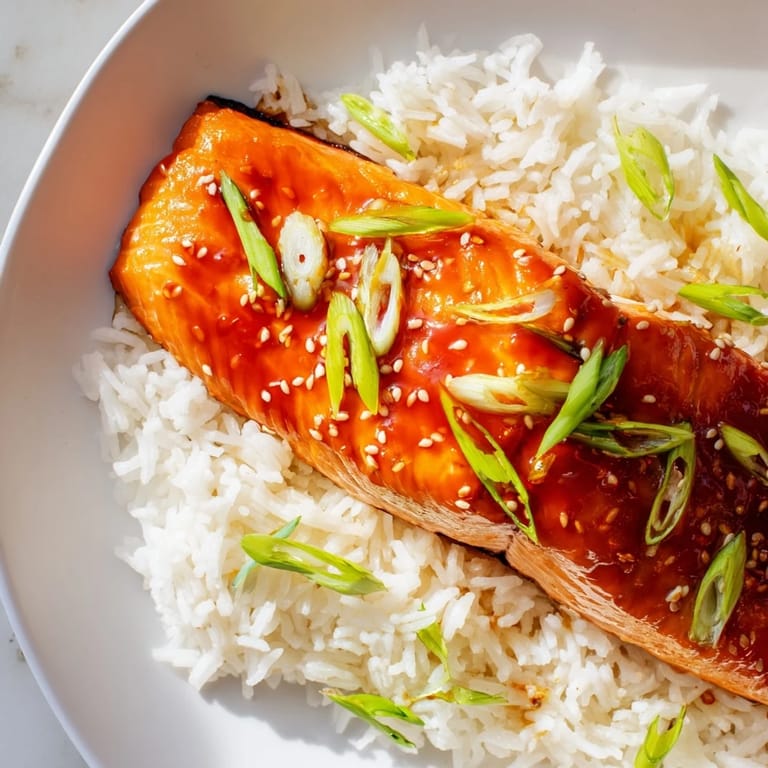
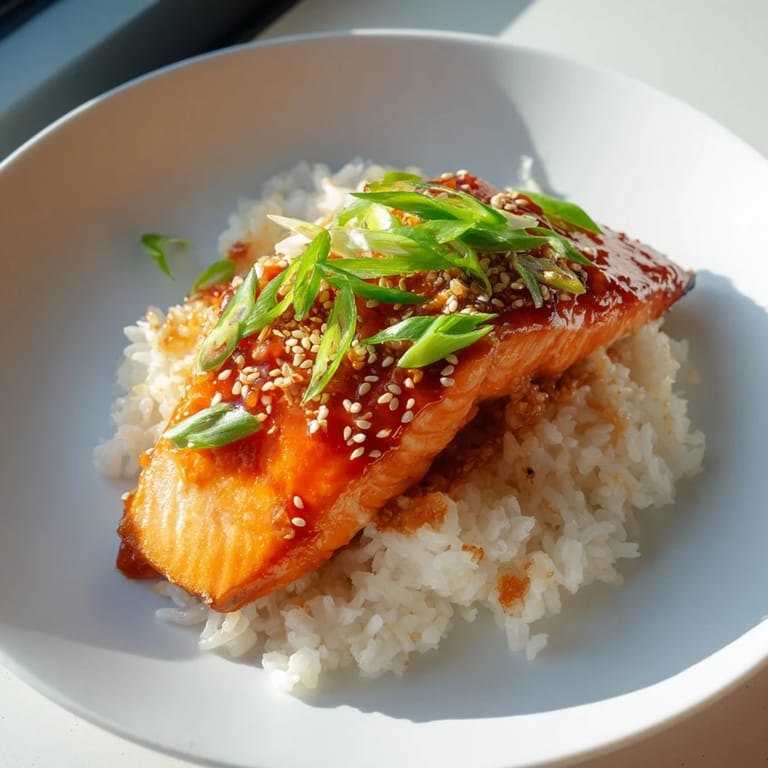
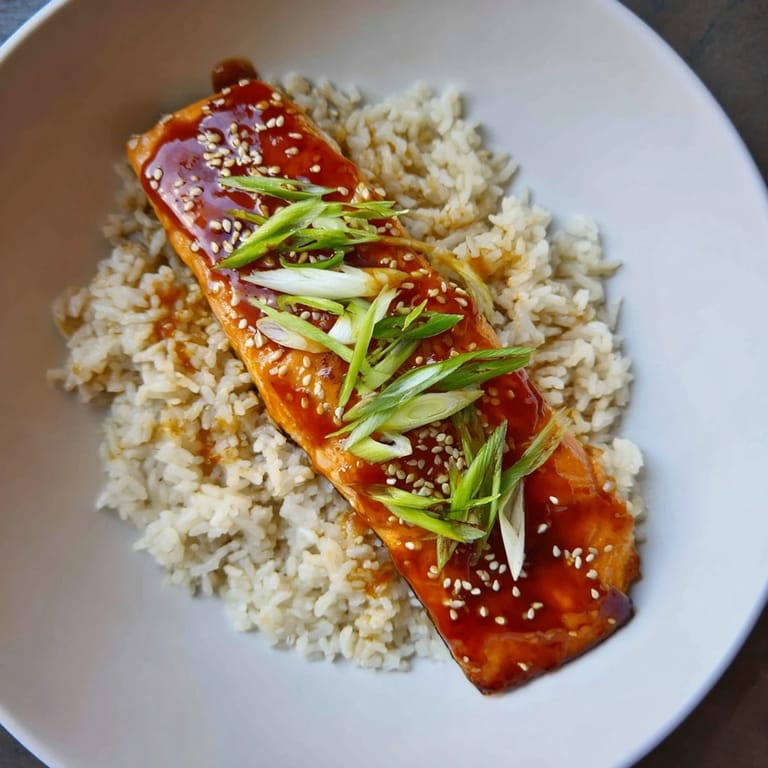
- Divide the fluffy rice among shallow bowls, top each portion with a glazed salmon fillet, and drizzle everything with the thickened sauce. Scatter scallions, sesame seeds, and orange zest over the top if you're using them, then eat immediately while the rice is still warm and the salmon retains its moisture.
 Save to Pinterest
 There was this moment a few weeks ago when my partner came home to the smell of caramelizing salmon and orange, and before I'd even plated anything, they just smiled and sat at the table. We didn't say much during dinner, which for us meant the food had done exactly what it was supposed to do.
The Magic of Gochujang
Gochujang is one of those ingredients that transforms how you cook once you understand what it does. It's not just heat; it's a complete flavor bomb that brings fermented depth, subtle sweetness, and a savory umami punch all at once. I used to think Korean chili paste was interchangeable with sriracha or regular hot sauce, but the first time I tasted them side by side, I realized gochujang was playing an entirely different game. Now it lives permanently in my fridge, and I find myself reaching for it in places I never expected, from cream sauces to glazes to salad dressings.
Why Broiler Instead of Pan
Broiling seems intimidating, but it's actually the secret weapon for getting restaurant-style caramelization on salmon without standing over a hot pan and battling fish that wants to stick. The high, dry heat hits the top of the fillets and crisps them while the bottom stays moist against the baking sheet. Plus, you can brush the glaze multiple times, which builds layers of sticky, glossy flavor that pan-searing can't quite achieve. The only catch is that broilers are temperamental and vary by model, so the first time you make this, stay in the kitchen and watch it. After that, you'll know your broiler's personality.
Building the Full Plate
This dish works because every element is fighting for a job. The rice is there to catch all that liquid golden glaze and soften the heat of the gochujang. The salmon's richness is cut by scallions and orange zest. The butter in the rice balances the spice. Nothing here is accidental, which is why swapping ingredients usually backfires.
- If you want to make this ahead, prepare the glaze the night before and store it in a container; the flavors will meld and taste even better.
- Brown rice or quinoa work in place of jasmine, but use the same liquid ratio and cooking time and adjust if needed after the initial simmer.
- Pair this with a crisp white wine like Sauvignon Blanc or a citrusy IPA to echo the orange and cut through the richness.
 Save to Pinterest
 This meal has become my go-to when I want to feel like I pulled off something impressive without the stress. It's the kind of food that makes a regular Tuesday feel a little bit special.
Questions & Answers
- → How do I achieve the sticky glaze on the salmon?
Brush the salmon with the gochujang-orange mixture before broiling and again halfway through cooking to build a thick, caramelized glaze.
- → What type of rice pairs best with this dish?
Jasmine rice is recommended for its fragrant aroma and fluffy texture, complementing the rich salmon and glaze.
- → Can I substitute ingredients in the glaze?
Yes, you can adjust sweetness with honey alternatives or swap soy sauce for tamari to suit dietary needs.
- → How long should I marinate the salmon?
Marinate for about 10 minutes to let flavors infuse without compromising the fish's texture.
- → Is it necessary to thicken the leftover glaze?
Simmering the glaze after broiling concentrates the flavors and creates a luscious sauce to drizzle on top.
- → Can I add extra spice to the dish?
Yes, a pinch of chili flakes in the glaze adds a pleasant heat without overpowering the citrus notes.