 Save to Pinterest
 There's something almost magical about a pasta board that lets everyone become the chef. I discovered this particular arrangement on a lazy Sunday when friends showed up hungry and I had three different pasta shapes in the pantry but zero confidence in pulling off an actual menu. Instead of panicking, I grabbed a cutting board, threw everything I had onto it, and watched people light up as they built their own plates. That casual afternoon taught me that the best meals aren't always the ones you planned—sometimes they're the ones that unfold naturally, with everyone making their own rules.
I made this for a dinner party where two guests were pesto lovers, one refused anything creamy, and another claimed marinara was the only sauce worth eating. I expected chaos. Instead, I watched them each discover a combination they loved and actually trade bites—something I'd never seen happen before. That night, the board became a conversation starter, and people who normally ate quietly actually lingered at the table.
Ingredients
- Spaghetti (100 g): Long and elegant, it catches sauce beautifully and feels a bit fancier than the other shapes, even though you're eating from the same board.
- Penne (100 g): The little tubes trap sauce inside them, which is crucial for someone mixing their own plate.
- Farfalle (100 g): Bow ties add texture and visual interest; they're the playful one of the trio.
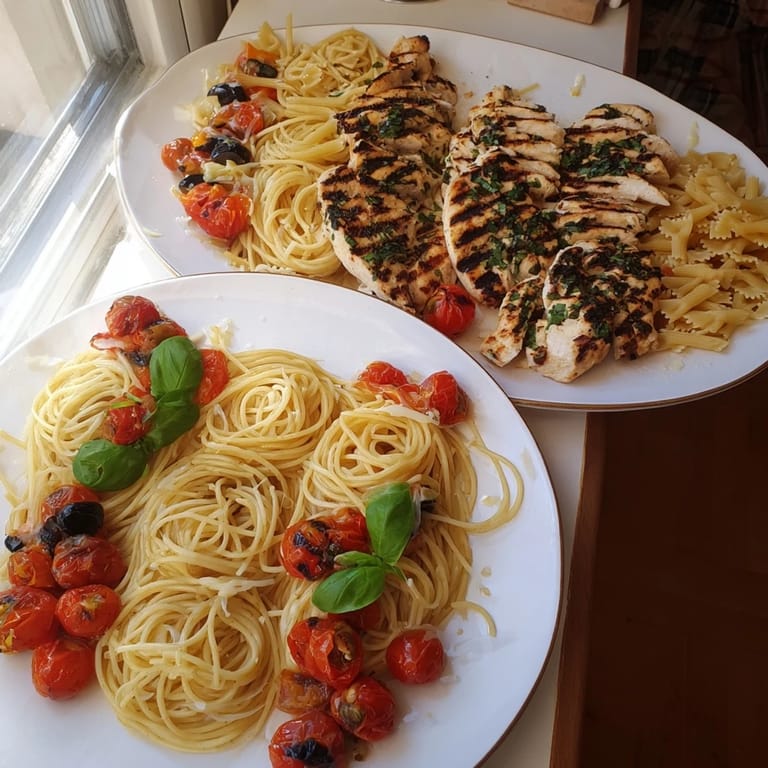
- Boneless, skinless chicken breasts (2): Cook these with intention—a little char on the outside keeps them from being boring.
- Olive oil (1 tbsp for chicken, plus extra-virgin for drizzling): Good olive oil is what makes this feel intentional rather than thrown together, so don't skip it.
- Italian seasoning (1 tsp): A shortcut that works because you're not trying to be fancy, just genuine.
- Salt and pepper: Your seasoning backbone; taste the chicken before it hits the board.
- Marinara sauce (1 cup): The familiar friend that everyone understands.
- Alfredo sauce (1 cup): The indulgent one, rich and unapologetic.
- Pesto sauce (1 cup): Bright and slightly aggressive in the best way; it wakes everything up.
- Grated Parmesan cheese (½ cup): Sharp and salty, it's the seasoning that holds the whole board together.
- Cherry tomatoes, halved (½ cup): Their sweetness balances the herbs and salt.
- Fresh basil leaves (¼ cup): Tear them by hand just before serving so they stay fragrant and don't bruise.
- Black olives, sliced (¼ cup): They add brininess and a little drama to otherwise simple bites.
Tired of Takeout? 🥡
Get 10 meals you can make faster than delivery arrives. Seriously.
One email. No spam. Unsubscribe anytime.
Instructions
- Get your water ready:
- Fill a large pot with water, salt it generously like you're seasoning the sea, and let it come to a rolling boil. The heat needs to be aggressive so each pasta cooks properly and doesn't turn mushy.
- Cook the pasta separately:
- Drop each shape into boiling water according to its package instructions, then drain immediately. A light toss with olive oil keeps them from clumping together and makes them easier to arrange on the board.
- Prepare the chicken while pasta goes:
- Preheat your grill pan over medium-high heat; you want it hot enough that the chicken sizzles the moment it touches the surface. Rub the breasts with olive oil, season generously with Italian seasoning, salt, and pepper, then lay them down and resist the urge to move them around.
- Get a crust on that chicken:
- Cook for five to seven minutes on each side; you're looking for color and firmness, not white and sad. When juices run clear, it's done—rest it for five minutes so it stays juicy when sliced.
- Warm your sauces gently:
- Low heat in separate pots keeps them from breaking or separating. Stirring occasionally prevents any from sticking to the bottom.
- Slice and arrange:
- Cut the rested chicken into strips, then start building your board by grouping each pasta type in its own section. Think of it like you're painting with carbohydrates.
- Set up the sauce stations:
- Pour each warm sauce into small bowls and tuck them onto the board where they're accessible but not in the way. This is where people will dip and mix.
- Add the supporting players:
- Scatter Parmesan, tomatoes, basil, and olives in little piles around the board, creating little flavor destinations people can grab as they build their plate.
- Finish with a drizzle:
- Just before everyone digs in, drizzle extra-virgin olive oil over the pasta itself—it brings everything together and makes the whole board glisten.
 Save to Pinterest
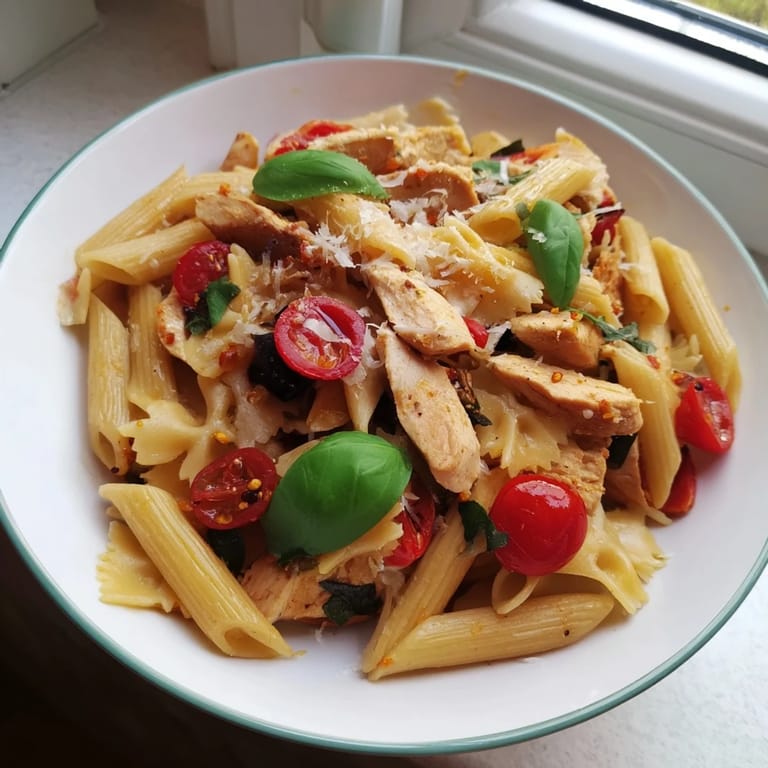
 The moment I realized this board was special came when a quiet guest who usually let others talk started explaining her flavor combination to the table. She'd mixed pesto with Alfredo and decided it was her new favorite thing. That's when I understood—feeding people doesn't have to mean impressing them with technique; sometimes it just means giving them permission to experiment and trust their own taste.
Building Your Perfect Bite
This is where the magic lives. Pick a pasta, choose your sauce, add toppings, and go. Some people layer flavors; others keep things simple. There's no wrong approach, which is exactly why people relax when eating from a board like this. The collaborative energy that happens naturally is worth more than any plated dish could be.
Making It Your Own
Once you've made this board, you'll start seeing variations everywhere. Swap the sauces for what you have on hand—sun-dried tomato, vodka sauce, or a simple garlic oil all work beautifully. The pastas can change too; use what you have in your pantry. The point isn't perfection; it's creating a moment where people feel welcomed and free to enjoy food on their own terms.
Board Presentation Tips
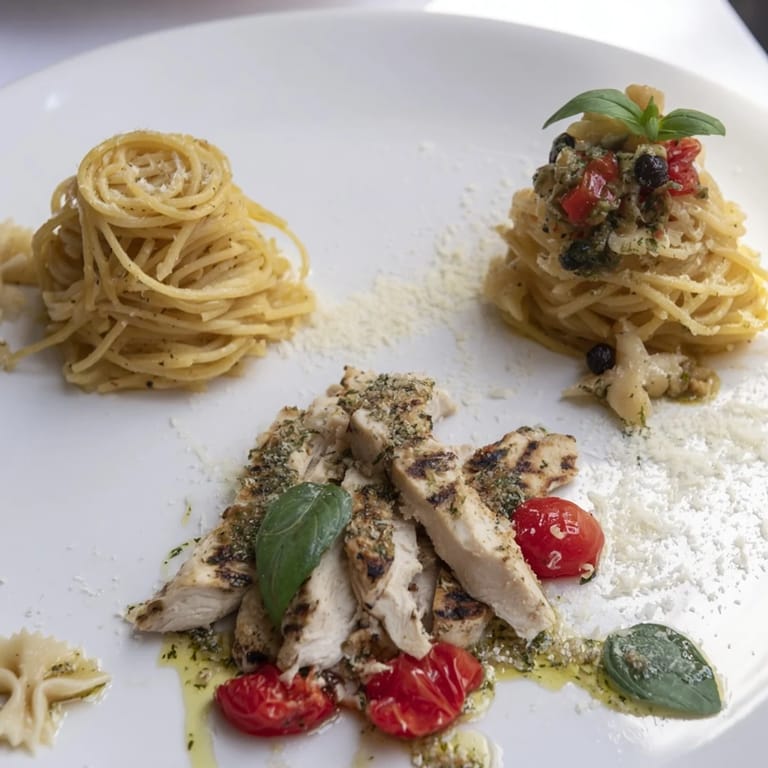
A good serving board is worth its weight because it becomes part of the meal itself. Arrange everything so colors pop against each other—the green pesto next to the red marinara, the pale Alfredo creating contrast. Leave small gaps between sections so flavors don't bleed into each other, and remember that people eat with their eyes first. When a board looks abundant and intentional, it sets the tone for everyone to relax and enjoy.
- Choose a board large enough that people aren't fighting over space—a tired crowd is not a happy crowd.
- Use small bowls or ramekins for sauces so they're easy to access without dripping.
- Let your cheese be room temperature and your basil just torn; both taste better when they haven't been sitting in cold storage.
 Save to Pinterest
 A pasta board is less about following rules and more about creating a moment where everyone gets to be satisfied on their own terms. Serve this when you want people to linger and talk, not just eat and leave.
Questions & Answers
- → What types of pasta are included in this platter?
Three pasta varieties: spaghetti, penne, and farfalle, each cooked separately for optimal texture.
- → How is the chicken prepared for this dish?
Chicken breasts are seasoned with Italian herbs, olive oil, salt, and pepper, then grilled until juicy and tender before slicing into strips.
- → What sauces accompany the pastas?
The platter features marinara, creamy Alfredo, and fresh pesto sauces, each warmed separately to enhance distinct flavors.
- → Are there options for dietary preferences?
The chicken can be replaced with grilled vegetables for a vegetarian-friendly alternative without compromising taste.
- → What garnishes add flavor and color?
Parmesan cheese, cherry tomatoes, fresh basil leaves, black olives, and a drizzle of extra-virgin olive oil complete the presentation and flavor profile.
- → How should the platter be served?
Arrange pastas on a large board with chicken strips and sauce bowls, encouraging guests to combine ingredients as desired for a casual, interactive experience.