 Save to Pinterest
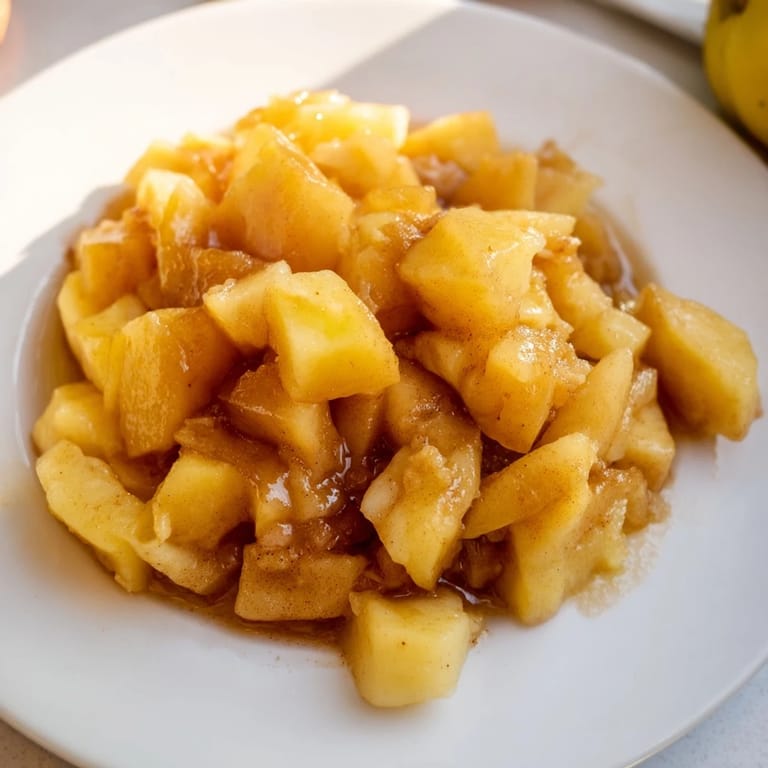
 There's something almost meditative about the smell of cinnamon-sweetened apples filling your kitchen on a quiet morning. I discovered this slow cooker version by accident one fall weekend when I had more apples than sense—a farmers market haul that demanded redemption. What started as a desperate attempt to use them up became my go-to comfort food, the kind of thing that makes your whole house smell like someone actually knows what they're doing in the kitchen. The slow cooker does all the work while you're free to do literally anything else, and somehow that makes it taste even better.
I once made this for a dinner party where someone showed up unexpectedly going through a rough week, and watching her face soften when she tasted it—over ice cream, no less—reminded me that food doesn't need to be complicated to matter. She asked for the recipe that night, and I remember being surprised that something so simple could feel that meaningful.
Ingredients
- Apples (6 large): Granny Smith, Honeycrisp, or Fuji work best because they hold their shape without turning to mush, though a mix gives you better flavor complexity.
- Honey (1/4 cup): This is your sweetness anchor, and it caramelizes slightly during cooking for a subtly deeper flavor than regular sugar.
- Ground cinnamon (1/2 teaspoon): Warm and familiar, but don't skip the measuring spoon—too much turns it medicinal.
- Lemon juice (1 tablespoon): The secret ingredient that keeps everything from tasting one-dimensional and bright.
- Water (1/4 cup): Just enough to create steam and keep things from sticking without diluting the flavor.
- Ground nutmeg (1/4 teaspoon, optional): A whisper of this elevates everything, but use sparingly or it dominates.
- Vanilla extract (1/2 teaspoon, optional): Stir this in at the very end for a subtle warmth that rounds out the spices.
- Salt (pinch): Trust this even though it seems counterintuitive—it makes the sweetness pop.
Tired of Takeout? 🥡
Get 10 meals you can make faster than delivery arrives. Seriously.
One email. No spam. Unsubscribe anytime.
Instructions
- Prep your apples:
- Peel, core, and cut them into rough 1-inch chunks—don't aim for perfect uniformity, just consistent enough that they cook at the same rate. Uneven sizes mean some pieces turn to applesauce while others stay chunky.
- Load the slow cooker:
- Dump all your apple pieces in and let them settle. This is one of those cooking moments where it's fine to just eyeball it.
- Add your flavors:
- Drizzle honey over everything, squeeze lemon juice across the top, then sprinkle cinnamon and nutmeg evenly. Don't stir yet—let them mingle while you add the water.
- Complete the picture:
- Pour in water, add a pinch of salt, and now give it a gentle stir just to make sure nothing's stuck to the bottom. Cover and set to low.
- Let time do the work:
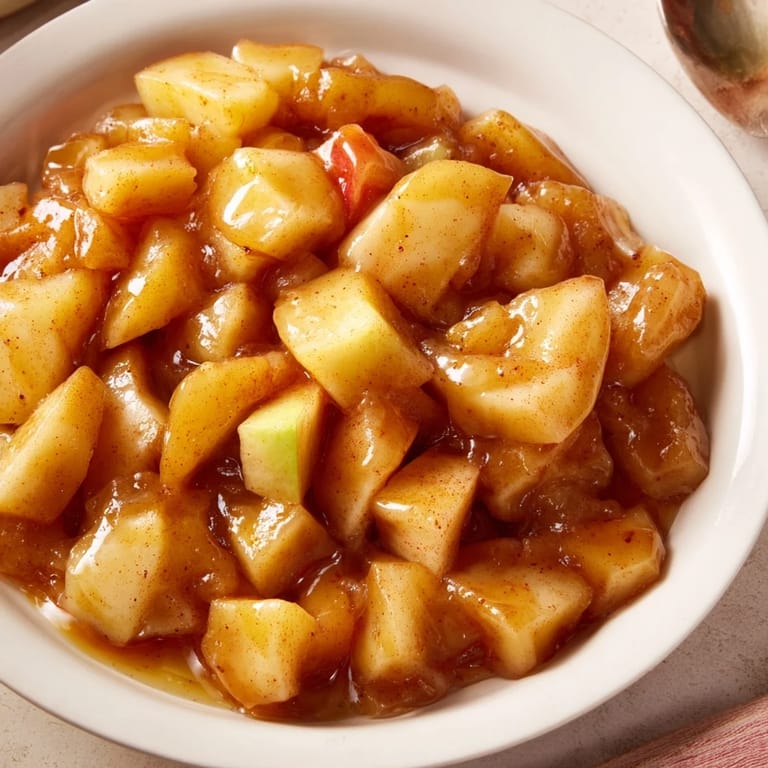
- Cook for 3 hours on low, stirring once or twice if you happen to be home. You'll notice the apples starting to break down around the 2-hour mark, which is exactly what should happen.
- Finish strong:
- If you're using vanilla, stir it in right before serving so it doesn't cook off. Taste and adjust sweetness if needed—some apples are more tart than others.
 Save to Pinterest
 There was this one Tuesday when I made this for my neighbor who had just moved in, and she came over while it was cooking just following the smell. We ended up sitting in my kitchen for an hour talking about nothing in particular, and somehow the apples were the reason everything felt less lonely that day.
Why This Works Better Than You'd Expect
Slow cookers have this reputation for making everything taste like sad mush, but apples are the exception—they actually benefit from that gentle, low heat. The longer cooking time lets the honey deepen and caramelize just enough to add complexity, while the spices have time to really infuse rather than just sitting on top. The cinnamon especially gets to work its way through every piece instead of just flavoring the outside.
Serving Ideas Beyond the Obvious
Most people default to yogurt or ice cream, which are obviously perfect, but I've learned that these apples do something special when you spoon them warm over sharp cheddar, or stir them into oatmeal with granola for crunch, or even serve them alongside roast pork where their sweetness plays beautifully against the savory meat. I once served them cold straight from the fridge as a topping for vanilla pound cake, and honestly it might have been better than warm.
Tweaks That Actually Make a Difference
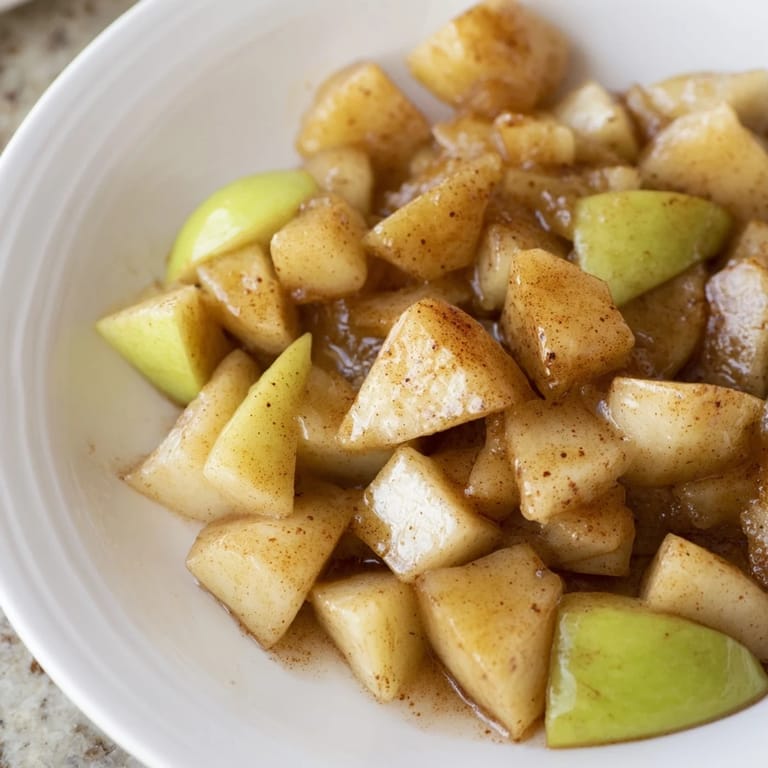
Swapping honey for maple syrup leans into autumn harder and adds a deeper molasses note, while brown sugar makes everything feel cozier but less refined. If you're going for smooth compote, a potato masher works better than a fork because you get control over the texture. Some people add a tablespoon of butter at the end for richness, and honestly, I don't judge—it's delicious that way too.
- If your apples lean tart, add another tablespoon of honey rather than adjusting mid-cooking.
- Vanilla goes in at the very end so it doesn't cook off and lose its fragrance.
- Make this on low, never high, because high heat turns apples into sad applesauce in an hour.
 Save to Pinterest
 This is one of those recipes that reminds you that the best kitchen moments often come from simple ingredients and patience, not complicated techniques. Make it once and it becomes something you reach for whenever you need comfort, comfort.
Questions & Answers
- → What types of apples work best?
Firm and flavorful apples like Granny Smith, Honeycrisp, or Fuji hold up well during slow cooking and balance sweetness with acidity.
- → Can I adjust the sweetness?
Yes, you can swap honey with maple syrup or brown sugar, or adjust the amount to suit your taste preferences.
- → How do I achieve different textures?
For chunkier compote, cook briefly and stir gently; mash with a fork afterward for a smoother consistency.
- → Is it suitable for special diets?
This dish is vegetarian, gluten-free, and dairy-free, making it suitable for many dietary needs.
- → What are serving suggestions?
Serve warm over oatmeal, pancakes, yogurt, or ice cream; it also pairs well with granola or roast pork.