 Save to Pinterest
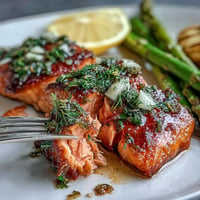
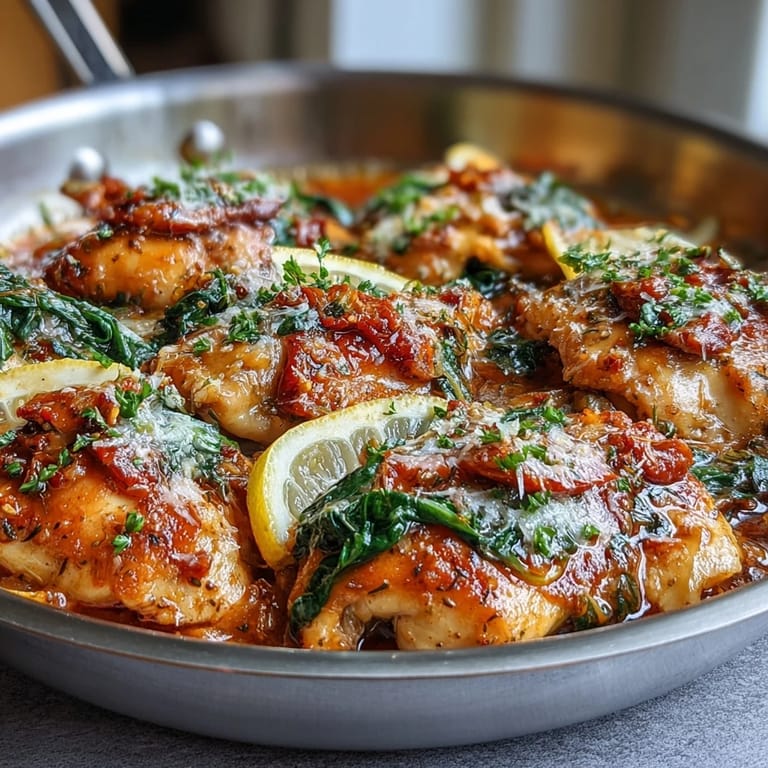
 There's something about a weeknight when the kitchen smells like lemon and garlic sizzling in olive oil that makes you feel like dinner is already halfway to being special. I discovered this one-pot lemon orzo on an afternoon when I had exactly what was in my pantry and nothing else—chicken thighs, a box of orzo, some spinach wilting in the crisper drawer. What started as improvisation became the meal I keep circling back to, especially when spring arrives and bright flavors feel essential again.
I made this for my neighbor who had just moved in, and she ate three servings while we sat on the back porch watching the sun set. She asked for the recipe before she'd even finished her first bowl, which is the highest compliment a cook can receive. Now whenever I see her car pull up, I know she's probably craving this again, and honestly, I don't blame her one bit.
Ingredients
- Chicken breasts or thighs (1 lb): Thighs stay juicier than breasts, but either works—just don't skip the step of cutting them into bite-sized pieces so they cook evenly and become tender throughout.
- Orzo pasta (1 1/2 cups uncooked): This rice-shaped pasta absorbs the broth like a sponge and gives the dish its creamy, comforting texture without needing any actual cream.
- Fresh baby spinach (3 cups): It looks like a mountain in the pot before cooking, then becomes nearly invisible once it wilts—this is the magic moment.
- Yellow onion (1 medium, chopped): The base that builds flavor from the first moment it hits hot oil; don't skip it even if you think you're short on time.
- Garlic (2 cloves, minced): Thirty seconds in hot oil and it transforms from pungent to fragrant and sweet—the whole pot shifts flavor.
- Lemon (1 large): Both zest and juice matter here; the zest adds brightness at the end while juice weaves through the entire dish.
- Chicken broth (3 1/2 cups): This is where the orzo cooks, absorbing all that savory, slightly herby liquid instead of just water.
- Olive oil (2 tbsp): Use good olive oil—not the fanciest bottle, but something you'd be happy to taste directly.
- Parmesan cheese (1/4 cup, optional): A shower of this at the end adds richness and salt, though the dish is genuinely wonderful without it if you're going dairy-free.
- Dried oregano (1 tsp): This Mediterranean herb is essential; it's what makes the dish feel intentional rather than accidental.
- Salt and pepper: Start conservative because broth is already salty, then taste and adjust at the very end.
- Red pepper flakes (optional): A whisper of heat that wakes up all the other flavors without overwhelming them.
Tired of Takeout? 🥡
Get 10 meals you can make faster than delivery arrives. Seriously.
One email. No spam. Unsubscribe anytime.
Instructions
- Get the chicken golden:
- Heat olive oil until it shimmers, then add chicken pieces in a single layer if you can manage it. Let them sit for a moment—don't stir immediately—so they develop that golden crust that tastes like actual food. This takes about 5–6 minutes total, and you'll know it's done when a quick peek shows no pink inside.
- Build the flavor base:
- Remove chicken to a plate, then add your chopped onion to that same oil and brown bits left behind. After a couple minutes when it's softened and slightly golden at the edges, add minced garlic and let it perfume the whole kitchen for just 30 seconds.
- Toast the orzo:
- Stir in uncooked orzo and oregano, coating everything in oil and letting it toast for about a minute. This step matters more than it sounds—it gives the pasta a subtle nuttiness that wouldn't happen if you skipped straight to adding broth.
- Simmer everything together:
- Pour in chicken broth and bring to a gentle boil, then reduce heat to medium-low and stir occasionally. The orzo will gradually absorb the liquid over about 10–12 minutes, and you'll watch it transform from hard little grains to tender bites.
- Finish bright and fresh:
- Return the chicken to the pot, then scatter in spinach, lemon zest, and lemon juice all at once. Stir for just a minute until the spinach melts into the warm orzo, then taste and adjust seasoning—this is your moment to decide if it needs more salt, pepper, or squeeze of lemon.
- Serve with intention:
- If you're using Parmesan, sprinkle it now while the pot is still steaming. Serve immediately while everything is hot and the lemon brightness is still sharp and alive.
 Save to Pinterest
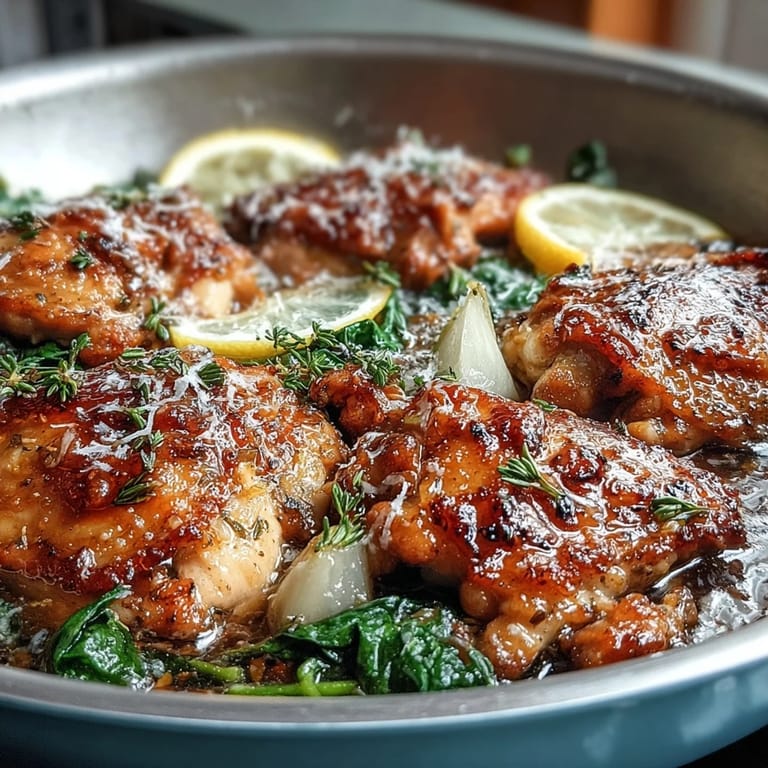
 My daughter asked me the other day why this meal tasted like spring, and I realized it's because the combination of lemon, spinach, and that gentle herb flavor genuinely tastes like the season feels—full of possibility and ready to wake up from winter. That's when food becomes more than sustenance; it becomes a moment you remember.
Why This One-Pot Approach Changes Everything
The real genius of this recipe isn't just that it's convenient—though it absolutely is. It's that by cooking the orzo directly in the chicken broth instead of pasta water, every single grain absorbs savory, herby flavor from the very beginning. You're not making pasta and then adding it to sauce; you're building one cohesive dish where nothing feels separate or added as an afterthought. The spinach wilts at the end, retaining its color and some of its texture, while the lemon gets stirred in at just the right moment so it doesn't cook away. This timing, this method, this restraint—that's what makes it feel effortless on the plate even though you've done something fairly intentional.
Variations That Taste Just as Good
Once you understand the structure of this dish, you can riff on it endlessly. I've made it with sun-dried tomatoes stirred in at the end, which add a concentrated sweetness and slight tanginess. I've used kale instead of spinach when spinach wasn't available, and it has a different texture—more assertive, less delicate. Artichoke hearts work beautifully too, adding substance and a subtle earthiness that echoes the Mediterranean vibe. The dairy-free version with nutritional yeast or simply omitting cheese altogether is genuinely complete; you don't miss creaminess because the orzo becomes creamy on its own as it absorbs the broth. The point is that this is a template that invites experimentation rather than a strict formula.
Serving and Pairing Thoughts
This dish is substantial enough to stand alone, though a simple green salad alongside it provides a nice contrast of temperature and texture if you want to feel fancy. The acidity in the lemon makes it pair beautifully with white wine—specifically crisp Sauvignon Blanc or Pinot Grigio, if you're the kind of person who thinks about these things. For serving at a table, I ladle it into shallow bowls so the broth isn't overwhelming, and a final shower of fresh lemon zest just before it hits the table keeps the brightness alive. If you have any leftovers—which is rare in my house—they reheat gently on the stove with a splash of broth, and while they're not quite as vibrant as the first night, they're still entirely worth eating.
- Add a grind of fresh lemon zest directly onto each bowl right before serving for maximum impact.
- If the dish seems too thick after sitting for a few minutes, add a splash of broth or water to loosen it back up.
- Leftovers keep for up to three days in the refrigerator and actually taste better the next day once flavors have settled.
 Save to Pinterest
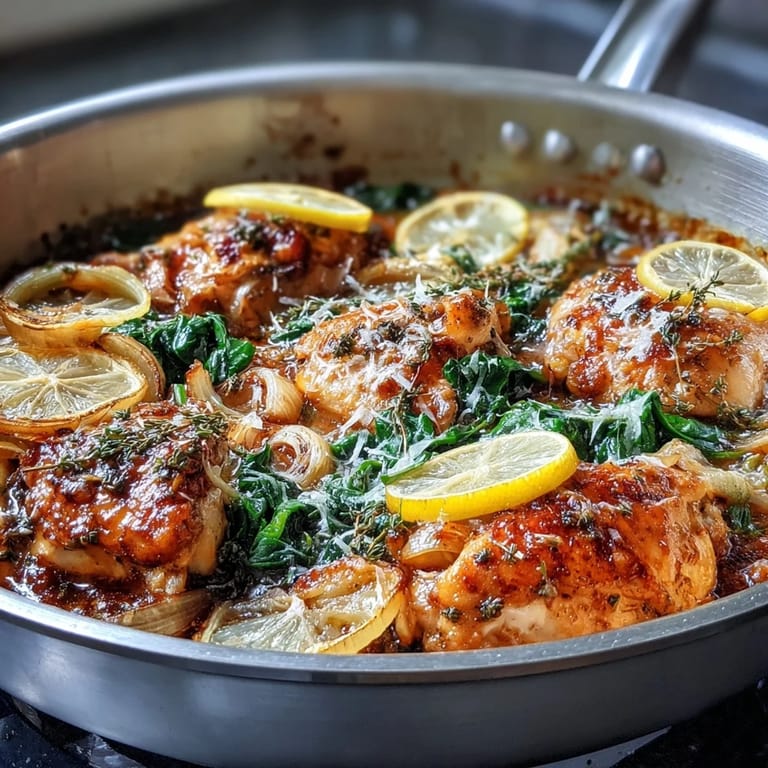
 This is the meal that makes you feel good about cooking, not because it's complicated or impressive, but because it genuinely tastes like care in a bowl. Make it once for yourself, then make it for someone you want to feed.
Questions & Answers
- → Can I use another grain instead of orzo?
Yes, small pasta shapes like couscous or acini di pepe can substitute orzo for similar texture and cooking times.
- → How can I make this dish dairy-free?
Simply omit the Parmesan cheese or replace it with a plant-based alternative for a dairy-free version.
- → What is the best way to cook the chicken evenly?
Cut chicken into bite-sized pieces and cook over medium-high heat until golden and just cooked through, about 5-6 minutes.
- → Can I substitute baby kale or arugula for spinach?
Absolutely, baby kale or arugula work well and add a different leafy flavor to the dish.
- → What wine pairs well with this meal?
A crisp Sauvignon Blanc or Pinot Grigio complements the bright lemon and tender chicken flavors perfectly.