 Save to Pinterest
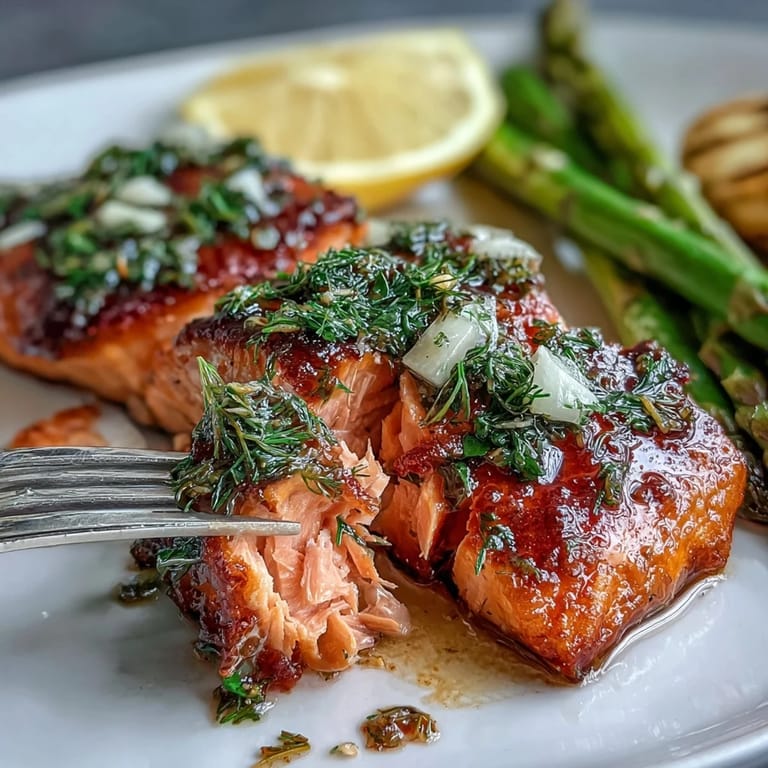
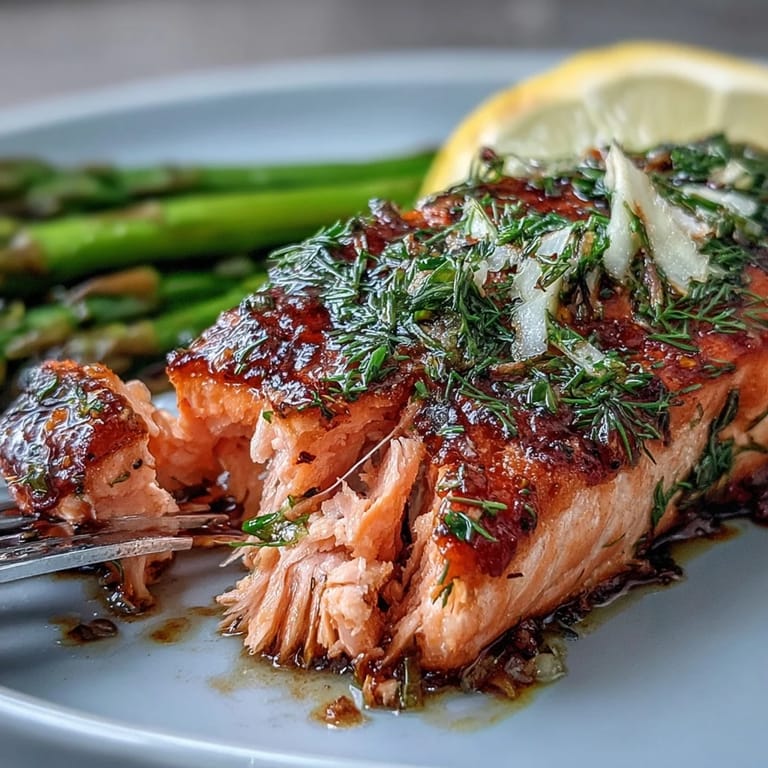
 The first time I tried making a whole salmon fillet on a single tray, it was less about perfection and more about craving something bright and unfussy after a hectic day. While slicing lemon to release its heady citrus scent, I remember how it mingled with fresh dill and garlic, instantly making my tiny kitchen feel less like an afterthought and more like a place of honest comfort food. There's a special energy that comes from prepping such a minimal list of ingredients, knowing the oven will do all the heavy lifting. I still laugh at how nervous I was that the asparagus would come out limp, only to discover that tray-roasting leaves it delightfully crisp-tender. This is truly a dish where simplicity becomes memorable.
One evening, I made this for a friend who was convinced she didn’t like fish; halfway through dinner, she was mopping up the last of the lemony juices with bread and asking for the recipe. Roasting everything together not only saved me time but gave us more moments to unwind and talk while dinner practically cooked itself. There's something quietly celebratory about sliding a fragrant tray onto the table and watching everyone dig in, family-style. Even the most skeptical diners end up reaching for second helpings. The laughter that followed proved to me this one-pan meal is a natural crowd-pleaser.
Ingredients
- Salmon fillet (about 1.2–1.5 lbs, skin-on): Makes the dish hearty—choose a piece with bright, glistening flesh and ask for pin bones removed if possible.
- Olive oil: Keeps the salmon juicy and the asparagus crisp; I prefer extra virgin for its flavor, but use what you have on hand.
- Sea salt & freshly ground black pepper: Salt brings out the fish’s sweetness, and fresh cracked pepper adds a subtle heat I missed whenever I forgot it.
- Garlic (minced): Just two cloves, blended into the marinade, lend a gentle punch that never overwhelms.
- Lemon (zest and juice): Zest first, then juice—trust me, it’s easier that way and the zest perfumes the whole dish.
- Fresh dill (chopped): Dill brings out the best in both fish and vegetables; if you forget to reserve extra for garnish, dried dill in a pinch works too.
- Asparagus (woody ends trimmed): Bright green spears roast up tender and slightly nutty—snap off the ends rather than slicing for the best texture.
- Lemon slices (for garnish): Layering them over the fish makes the finished tray look restaurant-worthy and infuses extra fragrance.
- Extra dill (for garnish): Scattering fresh herbs at the end is the secret to making the final platter feel like spring, no matter the season.
Tired of Takeout? 🥡
Get 10 meals you can make faster than delivery arrives. Seriously.
One email. No spam. Unsubscribe anytime.
Instructions
- Prep your tray:
- Line a large baking tray with parchment or foil so you can lift everything off for serving and cleanup is a breeze.
- Mix the marinade:
- Whisk olive oil, minced garlic, lemon zest, lemon juice, salt, pepper, and dill in a small bowl until fragrant.
- Lay out the salmon:
- Place the fillet skin-side down in the tray’s center and gently pat it dry—it helps the rich flavors cling better.
- Brush and baste:
- Spoon or brush the zesty marinade generously over salmon, letting the herbs tuck into every corner.
- Add the vegetables:
- Arrange asparagus spears around the salmon, drizzle with a bit more olive oil, sprinkle salt and pepper, and use your hands to turn for even coating.
- Lemon layering:
- Lay thin slices of lemon across the salmon for both looks and flavor.
- Roast to perfection:
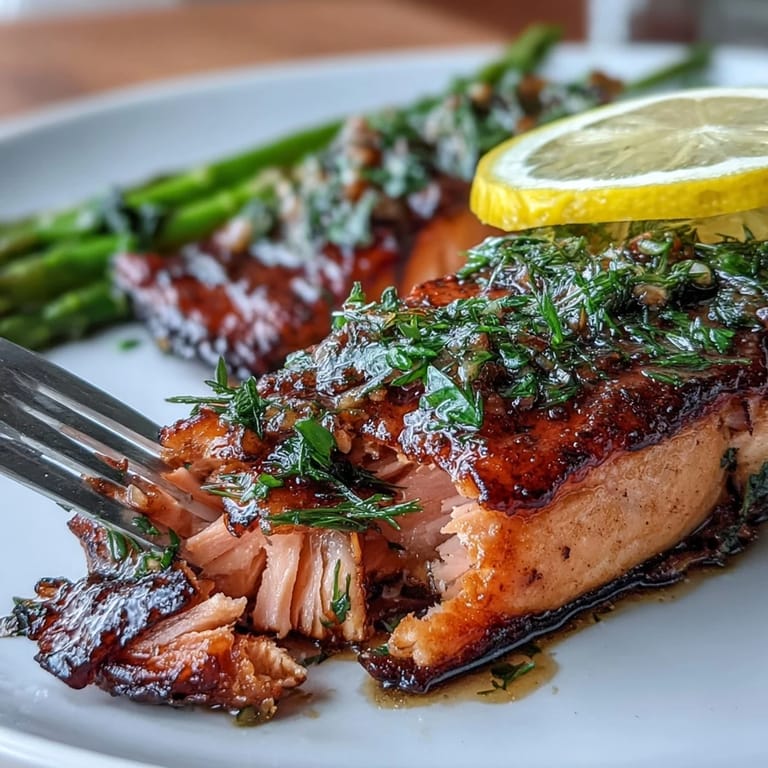
- Place the tray in the oven—after around 18 minutes, the salmon should flake without effort and asparagus will have that satisfying snap.
- Finish and serve:
- Remove from the oven, sprinkle over extra fresh dill, and serve immediately while it’s still warm and lively.
 Save to Pinterest
  Save to Pinterest
 Last spring during an impromptu dinner, I watched someone quietly close their eyes and smile after the first bite—a moment when a simple meal transformed into one of shared joy. That light, herby aroma mingling with laughter made the night feel almost celebratory, even though it was just a Tuesday.
Why Roasting Works Wonders
I used to think salmon needed precise searing or careful poaching, but roasting frees you from the stove and rewards you with consistently moist fish every time. The oven does the work, locking in flavors without fuss—especially satisfying on nights when you want ease, not stress.
Small Touches That Add Big Flavor
A pinch more lemon zest or a handful of cherry tomatoes thrown on the tray can completely change the personality of this dish, proving how small tweaks can spark new excitement in repeat favorites. Try switching up the herbs or sneaking in extra veggies for bursts of color and brightness—it’s become a running experiment in my kitchen.
Serving and Enjoying Together
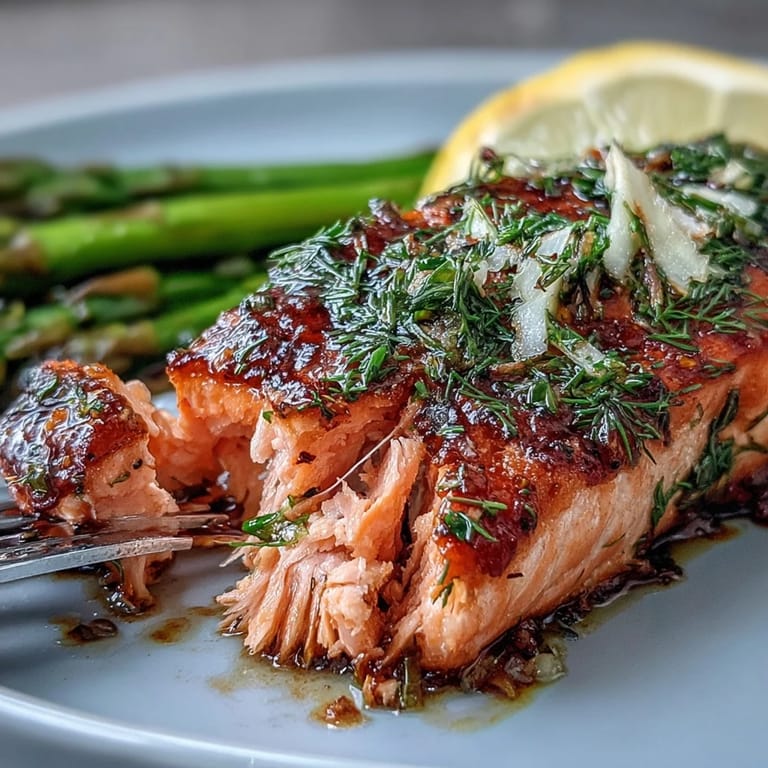
When I bring the tray straight to the table, the sizzle and fragrance have a way of slowing everyone down for that first bite. Nothing fancy needed, just a big spoon to scoop and a wedge of lemon on the side.
- Slice leftover salmon onto toast for a quick lunch tomorrow.
- If you like more sauce, save the roasting juices to drizzle over potatoes or grains.
- Don’t hesitate to swap the asparagus for green beans or broccolini—the method works for almost any veg.
 Save to Pinterest
  Save to Pinterest
 I hope this one-pan wonder brings you the same small moments of delight it’s brought me—bright, unfussy, and meant to be shared. Enjoy every lively, lemony bite.
Questions & Answers
- → How can I tell when the salmon is done?
Cook until the flesh flakes easily with a fork and appears opaque through the thickest part. For precise doneness aim for 125–130°F (52–54°C) for medium, remembering carryover will raise the temperature slightly during resting.
- → Can I substitute the dill with another herb?
Yes. Fresh parsley or tarragon make good swaps for a different herb profile. Add chopped herbs to the lemon-garlic oil or sprinkle them on after roasting to preserve brightness.
- → How do I avoid overcooking the salmon?
Use a high oven temperature (400°F/200°C) and check at the lower end of the time range. Pat the fillet dry, use an instant-read thermometer or check for gentle flaking, and let the fish rest a few minutes off heat to finish cooking gently.
- → Is it okay to use frozen salmon?
Thaw frozen salmon completely in the refrigerator, pat it very dry, then proceed. Thawed fillets may need a few extra minutes in the oven; avoid overcrowding the tray so everything roasts evenly.
- → How should I prepare the asparagus to roast with the salmon?
Trim woody ends, toss spears with olive oil, salt and pepper, and spread them around the fillet in a single layer. Thicker spears can be halved lengthwise or given a minute or two head start under the heat if needed.
- → What sides or wines pair well with this dish?
Serve with roasted potatoes, quinoa or a crisp green salad. A bright Sauvignon Blanc or a light Pinot Grigio complements the lemon and herb notes nicely.