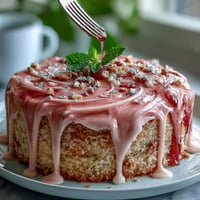
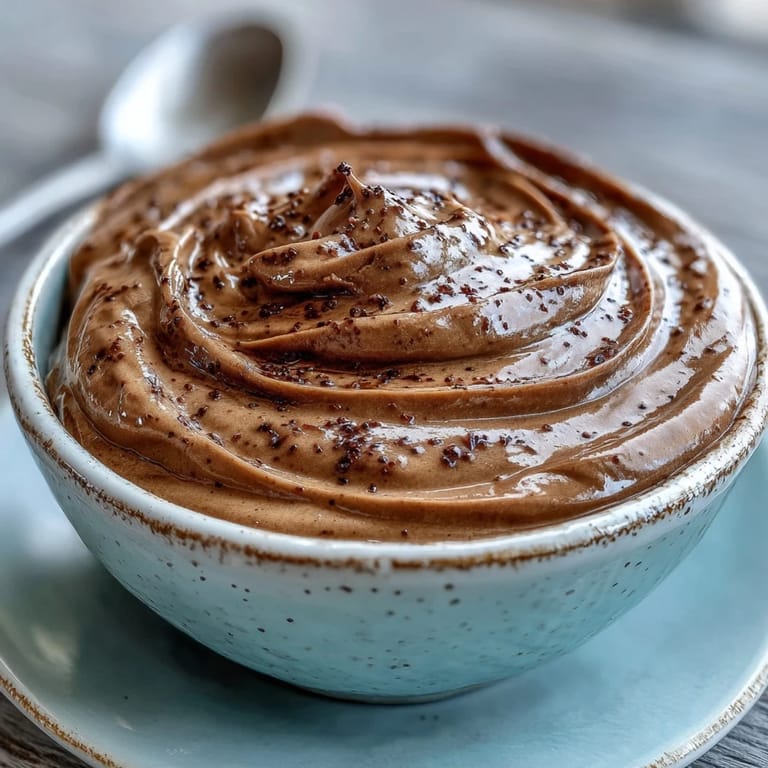
 Save to Pinterest
 I discovered hojicha pastry cream quite by accident while searching for something to fill a batch of choux pastry that had turned out flawlessly for once. Instead of reaching for the usual vanilla, I found myself holding a small tin of roasted hojicha tea my friend had sent from Tokyo, and something about its toasted, almost coffee-like aroma made me curious. What emerged from that saucepan was nothing short of revelation—silky, nutty, with this subtle smokiness that tasted like autumn itself. It became the filling I kept coming back to, the one that made people pause mid-bite and ask what exactly they were tasting.
I'll never forget serving this to my sister-in-law, who mentioned offhandedly that she didn't usually care for hojicha. She had three cream puffs before realizing what she was eating, and the look of surprise on her face told me everything I needed to know about the power of this cream. That moment convinced me that sometimes the best dishes are the ones that change someone's mind without them seeing it coming.
Ingredients
- Whole milk (2 cups): The foundation of your cream—use full-fat because the richness matters here, and cold milk from the back of your fridge will heat more evenly.
- Hojicha loose leaf tea (3 tablespoons): Quality matters; look for Japanese brands where the leaves look dark and toasty, not dusty or broken, as they'll steep cleaner and taste more complex.
- Unsalted butter (3 tablespoons): Added at the end to give the cream that glossy, luxurious mouthfeel that makes it feel indulgent.
- Egg yolks (4 large): The richness and binding agent—they're what transform this from a flavored milk into a proper custard that holds its shape.
- Granulated sugar (1/2 cup): Sweetness is just part of its job; it also helps stabilize the yolks during tempering.
- Cornstarch (3 tablespoons): This prevents graininess and gives you that silky texture that custards are known for.
- Vanilla extract (1/2 teaspoon) and salt (pinch): These small touches round out the flavor and keep the hojicha from becoming one-note.
Tired of Takeout? 🥡
Get 10 meals you can make faster than delivery arrives. Seriously.
One email. No spam. Unsubscribe anytime.
Instructions
- Brew your tea in warm milk:
- Heat the milk until wisps of steam rise and you can smell its warmth, then pour it over the hojicha and let it sit covered. This slow infusion coaxes out all that toasted, nutty character without bitterness—rushing it by using boiling water will make the tea taste harsh and astringent.
- Strain with intention:
- Press the leaves gently against the sieve as you pour; you're not extracting every last drop aggressively, just coaxing the flavor into your milk. Any bits of leaf that make it into your custard will interrupt the silky texture you're after.
- Build your yolk mixture:
- Whisk the yolks, sugar, cornstarch, and salt until the mixture lightens in color and becomes pale—this takes about a minute and signals the sugar has begun breaking down the yolk membranes. The pale color matters; it tells you the mixture is ready to handle the warm milk without scrambling.
- Temper with patience:
- Add the warm hojicha milk in a slow, steady stream while whisking constantly; this gradual warming prevents the yolks from scrambling into sweet egg bits. If you go too fast, you'll have a beautiful custard with unfortunate lumps.
- Cook until it thickens:
- Return the mixture to the pan and whisk constantly over medium heat—you'll feel the resistance build under your whisk as the cornstarch gelatinizes and the yolks cook. Once you see lazy bubbles popping on the surface, you've hit the sweet spot; a few more seconds of heat locks in the texture.
- Finish with butter and vanilla:
- Remove from heat and whisk in the cold butter and vanilla extract until completely smooth—the butter emulsifies into the cream and adds a subtle richness. This step should feel luxurious, like you're making something special.
- Protect and chill:
- Press plastic wrap directly onto the surface of the cream while it's still warm; this prevents that thin, unpleasant skin from forming as it cools. Pop it in the refrigerator for at least an hour, though overnight makes an even better texture.
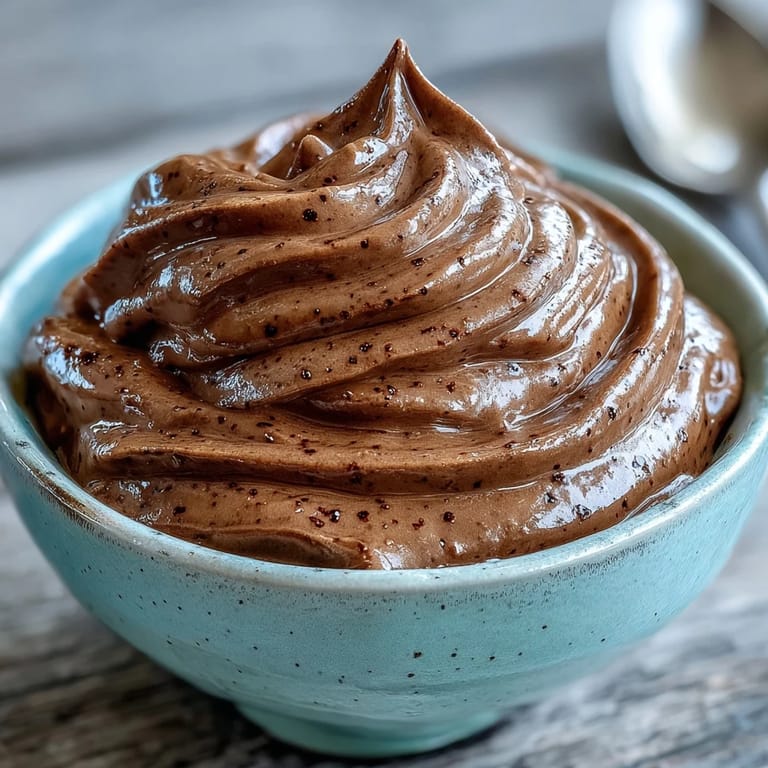 Save to Pinterest
 There's something almost meditative about making custard—the constant whisking, the gradual change in texture, the moment you know it's done just by feel. I started making this cream in late October, when the light gets thinner and the air turns that particular kind of cool where roasted tea flavors feel like the right choice. Now whenever I smell hojicha steeping, I'm transported back to my kitchen, whisk in hand, knowing something good is about to happen.
Texture and Consistency Secrets
The magic of this cream lies in understanding how cornstarch behaves—it's not just a thickener, it's a texture guardian. When you cook it past that first bubble, you risk breaking down the starch and ending up with something looser than you want, so the moment you see those bubbles, you're done. I learned this the hard way by cooking just a little too long, watching my beautiful custard thin out slightly as the starch gave up.
Adapting to Your Taste
If hojicha feels too bold for your palate, you can steep it for only 7 minutes instead of 10, or blend it half-and-half with regular black tea for something gentler. On the flip side, if you want to lean into the toasted flavor, try using hojicha powder whisked directly into the milk—it's more intense and gives you a slightly grainier texture that some people actually prefer. I've also experimented with adding a pinch of white miso to deepen the umami, though that's definitely a kitchen moment I'm still refining.
Beyond Cream Puffs
This cream works beautifully as a cake layer filling, spooned into a delicate tart shell, or folded with whipped cream to make a mousse-like filling for macarons. I once used it between two sheets of crêpes and felt like I'd unlocked some kind of secret code to French-Japanese fusion that nobody was talking about. The possibilities expand once you understand that this is simply a vehicle for hojicha flavor, and your imagination becomes your only real limit.
- Try pairing it with matcha choux pastry for a two-tea dessert that tastes like deliberate sophistication.
- Fold in whipped cream before serving to lighten it and make it less rich if you're filling something delicate.
- Store it in an airtight container in the fridge for up to 3 days, and always whisk briefly before using to restore the silky texture.
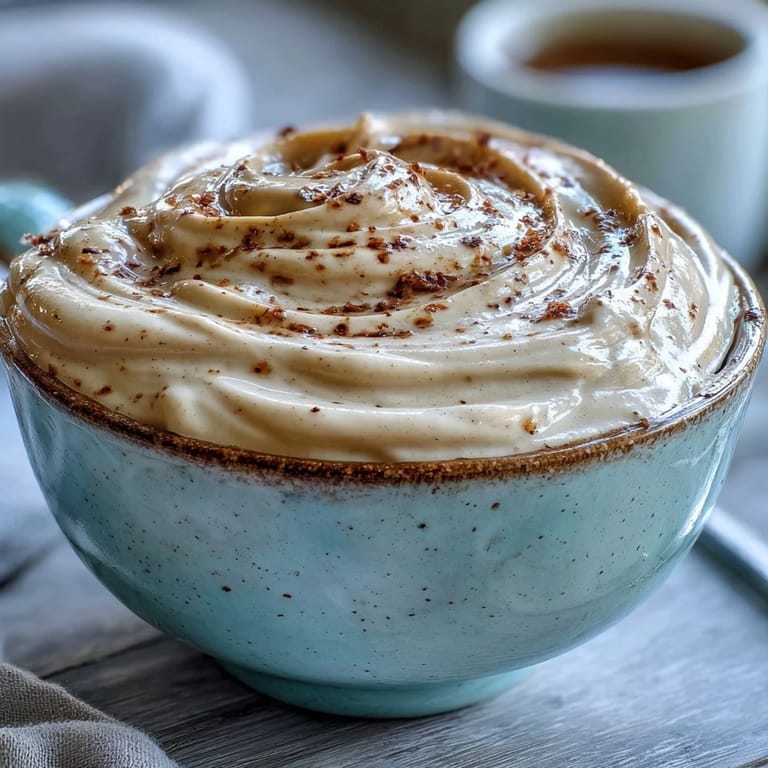 Save to Pinterest
 Every time I make this cream, I'm reminded that some of the best flavors come from following an impulse rather than a recipe, and trusting your instincts in the kitchen matters just as much as measuring precisely. This hojicha pastry cream has become my way of saying I put thought into the dessert, that you're worth the extra effort.
Questions & Answers
- → What does hojicha taste like in pastry cream?
Hojicha adds a distinctive roasted, nutty flavor with subtle smoky undertones and mellow sweetness. It's less grassy than matcha, creating a warm, comforting taste that pairs beautifully with rich custard bases.
- → Can I use hojicha powder instead of loose leaves?
Yes, substitute 2 teaspoons of hojicha powder for the loose leaf tea. Whisk it directly into the warm milk until fully dissolved, then proceed with the recipe. Powder creates a slightly darker color and more intense flavor.
- → How long does the pastry cream keep?
Store in an airtight container with plastic wrap pressed directly onto the surface for up to 3 days in the refrigerator. The cream may thicken further when chilled—whisk briefly before using to restore smooth texture.
- → Why must I press plastic wrap onto the surface?
Direct contact prevents a skin from forming as the cream cools. Pastry cream naturally develops a thin, rubbery layer when exposed to air, which can affect the smooth texture of your finished desserts.
- → Can I freeze hojicha pastry cream?
Freezing isn't recommended as the texture may become grainy or separate upon thawing. This cream is best enjoyed fresh within a few days of preparation for optimal silkiness and flavor.
- → What desserts work best with this filling?
Use it to fill classic cream puffs, éclairs, or Paris-Brest. It also layers beautifully between sponge cake, fills tart shells, or can be piped into choux rings. Try pairing with matcha-flavored pastry for a Japanese-inspired presentation.