 Save to Pinterest
 There's something almost meditative about the way hojicha smells when it first hits hot milk, like someone just cracked open a wooden box of autumn afternoons. I discovered this mousse entirely by accident, actually, when a friend left behind a tin of premium hojicha and I was determined not to let it go to waste. What started as an experiment in my kitchen on a quiet Sunday became something I now make whenever I want to impress someone without spending hours at the stove. The magic is in how delicate it feels, how the roasted tea flavor whispers rather than shouts, and how nobody ever guesses there's no heavy cream hiding in there.
My neighbor watched me make this once through the kitchen window and suddenly she was at the door asking what smelled like a Japanese tea house. Twenty minutes later, she was holding a spoon, and we were both standing there amazed at how something so simple could taste so refined. That's when I knew this wasn't just a recipe, it was a conversation starter, the kind of dessert that makes people slow down and actually notice what they're eating.
Ingredients
- Hojicha tea leaves: This is your star, so don't skimp on quality, look for leaves that are dark and fragrant, not dusty powder, because it makes a real difference in the final flavor.
- Whole milk: The fat content matters here, it carries the roasted tea flavors and makes the base taste richer without cream.
- Eggs, separated: Room temperature is actually important, cold eggs are stubborn when you're trying to beat them into fluffy peaks.
- Granulated sugar: Split between the yolks and whites, it stabilizes everything and brings gentle sweetness that doesn't overpower the hojicha.
- Vanilla extract: Just enough to tie the flavors together, not enough to make anyone ask what that flavor is.
- Cornstarch: A small amount whisked with the yolks creates a custard base that's foolproof, even if your bain-marie gets a little too enthusiastic.
- Powdered gelatin: The invisible hand that holds this mousse together without weighing it down.
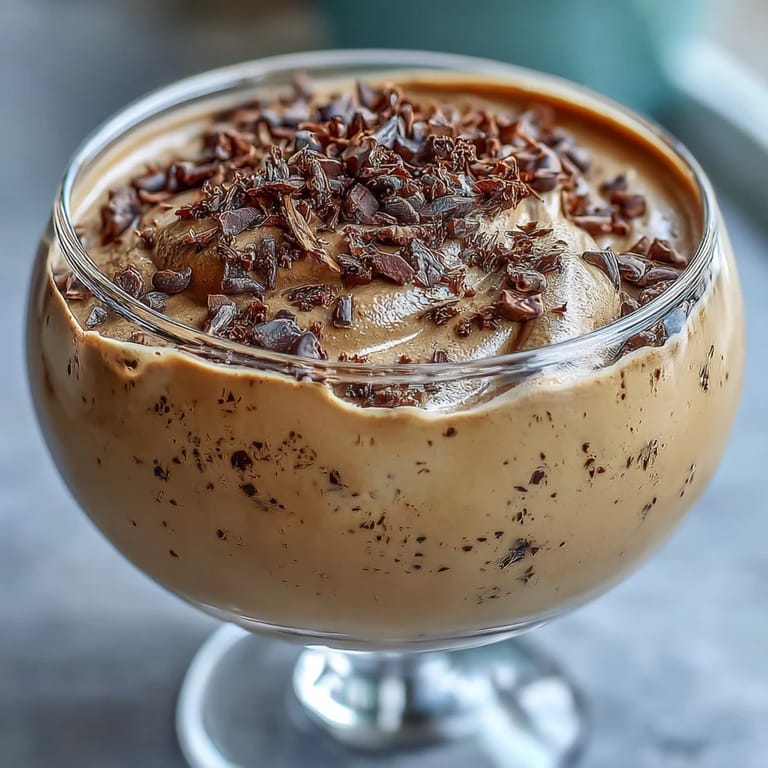
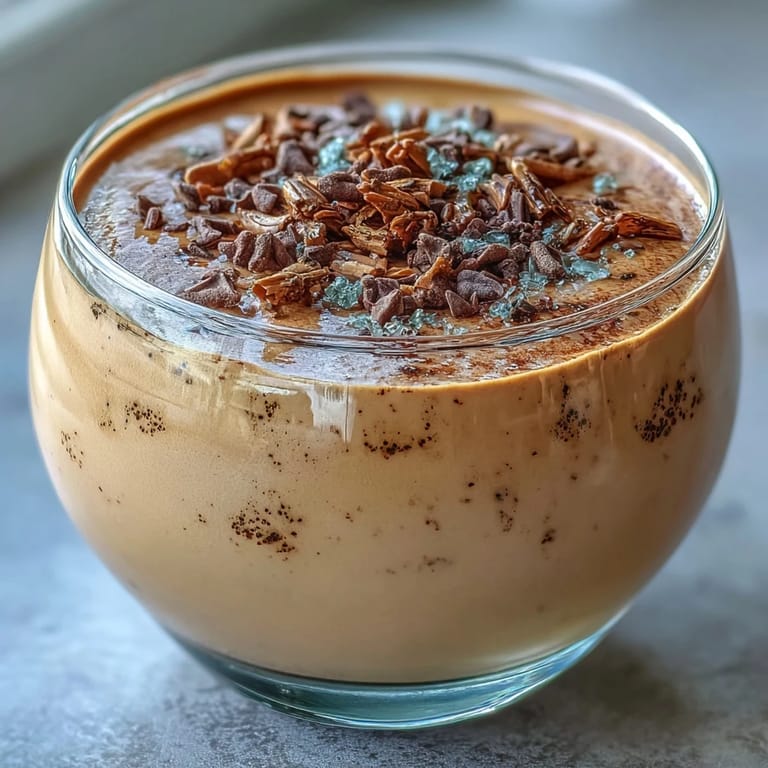
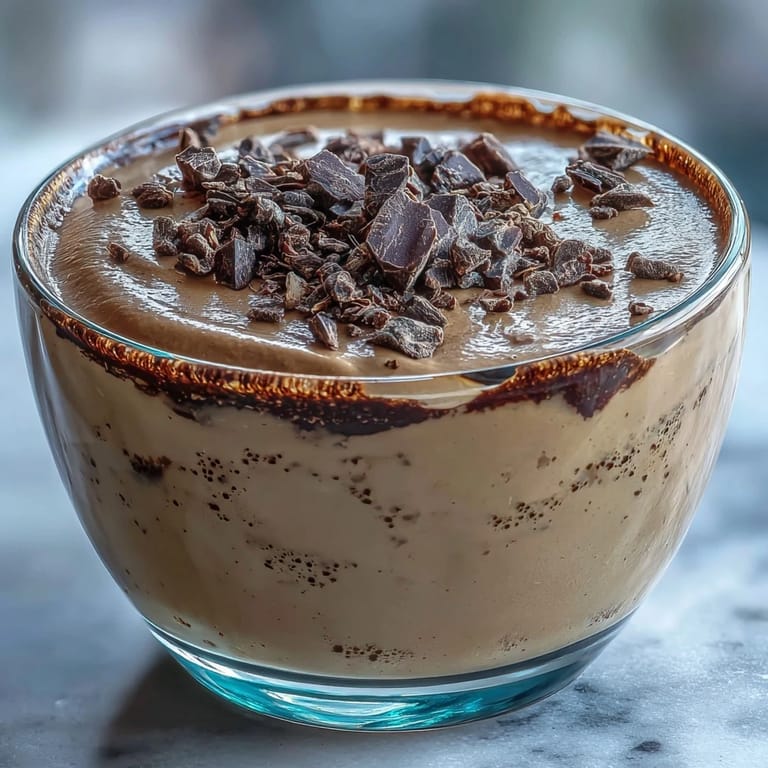
- Toasted hojicha tea leaves or cocoa nibs: Optional, but they give you something beautiful to look at and a flavor reminder right at the end.
Tired of Takeout? 🥡
Get 10 meals you can make faster than delivery arrives. Seriously.
One email. No spam. Unsubscribe anytime.
Instructions
- Steep the soul of the dish:
- Heat your milk until it steams gently, then scatter in those precious hojicha leaves and cover the pan like you're tucking something precious in. Let it sit for ten minutes while your kitchen fills with that woodsy, toasted aroma, then strain it smooth and let it cool just enough that it won't scramble your eggs later.
- Wake up your gelatin:
- Sprinkle it over cold water and let it sit quietly for five minutes, it'll look like nothing's happening until you touch it and realize it's bloomed into a spongy little cloud.
- Build your custard base:
- Whisk your egg yolks with half the sugar and cornstarch until the mixture goes pale and thick, then slowly pour in that hojicha milk while whisking constantly so nothing scrambles. This is important, don't rush it.
- Cook it gently over steam:
- Sit your bowl over simmering water and keep whisking for about three to five minutes until the mixture coats the back of a spoon and you feel like you've actually created something. It'll go from thin to silky right before your eyes.
- Let the gelatin dissolve:
- Pull everything off the heat and stir in that bloomed gelatin, it'll melt into nothing and you'll wonder where it went. Add your vanilla, then let the whole thing cool down while you occasionally give it a stir, be patient here because cold mousse is happy mousse.
- Make fluffy clouds:
- In a completely clean bowl, beat your egg whites until soft peaks form, then gradually add the remaining sugar while you keep beating until the peaks get glossy and stiff. This is what makes it light, so don't skip this step.
- Fold with intention:
- Here's where people get nervous, but it's actually gentle, fold the egg whites into the hojicha mixture in three additions using a rubber spatula, turning the bowl and cutting down the middle each time. You're trying to keep those air bubbles alive, not deflate them into submission.
- Set it and forget it:
- Spoon everything into glasses or ramekins and slide them into the refrigerator for at least two hours, the mousse will set up beautifully and taste even better when it's been there overnight.
- Finish with style:
- Top with those hojicha leaves or cocoa nibs right before serving, it looks beautiful and gives you a little crunch against all that silk.
 Save to Pinterest
 The first time someone came back for seconds and said it was the most elegant thing they'd eaten all year, I understood that food doesn't have to be complicated to feel special. Sometimes the most memorable moments happen when you slow down and actually taste something made with intention.
The Story of Hojicha
Hojicha is what happens when you take green tea and roast it until it becomes something darker, smokier, almost mysterious. The roasting process brings out flavors that regular tea leaves never hint at, and it's less caffeinated, which is nice when you're serving it late in the evening and don't want anyone vibrating out of their chair. In Japan, it's been the everyday tea for generations, the humble comfort that grandmothers have poured for centuries, and bringing it into a dessert feels like a small act of respect for that tradition.
Why This Mousse Stays Silky
The secret is in the combination of techniques, you're making a proper custard base with the hojicha milk, which gives you body and richness without cream. Then you're folding in whipped egg whites, which adds air and lightness, and finally the gelatin sets everything without making it dense or rubbery. It's engineering disguised as cooking, and the result is a mousse that feels expensive even though it's just eggs, milk, and tea.
Making It Your Own
This dessert is a canvas if you want it to be, I've made it with oat milk for friends who avoid dairy, and honestly, it's just as good, slightly different but equally delicate. Some people like to layer it with a thin sweetened whipped coconut cream on top, others swirl in a little dark chocolate ganache before it sets, and once someone even added a pinch of cardamom to the milk while steeping and it was absolutely transcendent. The point is, this recipe is forgiving enough to play with but structured enough that it won't fall apart.
- Try infusing the milk with a tiny pinch of matcha powder for a color contrast and slightly different flavor profile.
- Make it dairy-free by swapping the whole milk for unsweetened oat or almond milk and the mousse becomes lighter and equally impressive.
- Fresh berries on the side brighten everything up, especially strawberries or raspberries that cut through the richness.
 Save to Pinterest
 This mousse has become my quiet victory, the dessert I make when I want to feel like I know what I'm doing in the kitchen. It's refined without pretension, and every time someone eats it, they taste the care that went into keeping it light and delicate.
Questions & Answers
- → What does hojicha taste like?
Hojicha has a distinctive roasted, earthy flavor with nutty undertones and lower caffeine than other Japanese green teas. The roasting process gives it a warm, toasty character that's less grassy than matcha or sencha, making it perfect for desserts where you want subtle tea complexity without bitterness.
- → Can I make this mousse ahead of time?
Yes, this mousse actually benefits from being made ahead. It needs at least 2 hours to set properly, but you can prepare it up to 24 hours in advance. Keep it covered in the refrigerator until ready to serve. The flavors also develop and become more pronounced after sitting for several hours.
- → What can I use instead of gelatin?
For a vegetarian alternative, agar-agar powder works well as a gelatin substitute. Use about 1 teaspoon of agar-agar powder dissolved in the liquid instead of the 2 teaspoons of gelatin. Note that the texture may be slightly firmer. Another option is carrageenan, though it's less commonly available.
- → Why separate the eggs for this mousse?
Separating eggs serves two purposes. The yolks create a rich, creamy custard base when cooked with the hojicha-infused milk and cornstarch. The whipped egg whites, when beaten to stiff peaks, provide the airy structure and lift that defines a mousse. This combination yields a dessert that's both substantial and remarkably light.
- → How do I know when the custard is thick enough?
The custard is ready when it coats the back of a spoon and you can run a finger through it without the mixture running back together. This typically takes 3-5 minutes of constant whisking over the bain-marie. Don't rush this step—properly thickened custard ensures the mousse will set correctly.
- → Can I use other tea varieties?
Absolutely. While hojicha's roasted profile is unique, you can substitute matcha for a vibrant green tea flavor, Earl Grey for a bergamot twist, or chai spices for a warming spice dessert. Adjust steeping times accordingly—delicate teas need less time, while robust spices may need longer infusion.