 Save to Pinterest
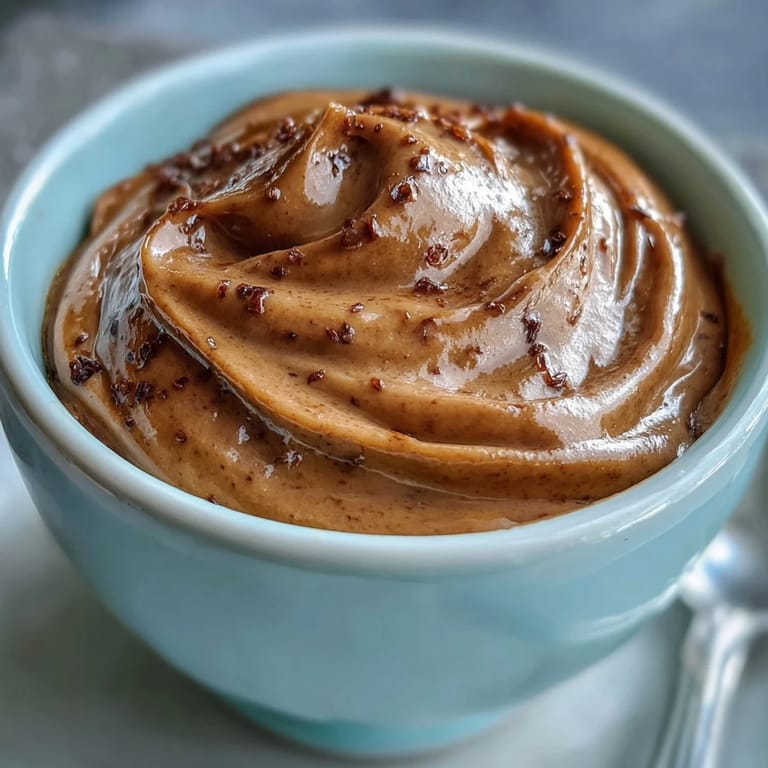
 My first encounter with hojicha pudding happened on a quiet afternoon when a friend brought a small jar to my kitchen, still cold from her refrigerator. She set it on the counter without fanfare, but the moment I lifted the spoon through that silky custard, I understood why she'd made the trip. The flavor arrived like a gentle whisper—toasty, earthy, with this unexpected creaminess that made me pause between spoonfuls. I spent the next week hunting down hojicha leaves and testing custard ratios, and what emerged was something I now make whenever I want to feel a little more present, a little more deliberate about dessert.
I served this to my parents last winter when they visited on a cold evening. My mother took one spoonful and looked up with this expression of quiet surprise, then asked what I'd done differently from regular custard. When I explained the hojicha, she nodded slowly, understanding why I'd become slightly obsessed with Japanese tea desserts. That moment made the recipe feel less like something I'd made and more like something I'd discovered and wanted to share.
Ingredients
- Whole milk: Use the full-fat version here because the custard depends on its richness to feel luxurious rather than thin.
- Heavy cream: This is your insurance policy against the custard feeling insubstantial; it adds body and a silky mouthfeel.
- Hojicha loose leaf tea: Seek out quality roasted green tea from a Japanese market or specialty grocer—the difference between mediocre and magical lives in the tea itself.
- Granulated sugar: Standard white sugar works perfectly; resist the urge to use brown sugar, which will muddy the delicate tea flavor.
- Large eggs: They're your custard's thickening agent, so use them at room temperature to prevent the temperature shock that causes lumps.
- Vanilla extract: A teaspoon is enough to complement the tea without overshadowing it, creating a kind of flavor harmony.
Tired of Takeout? 🥡
Get 10 meals you can make faster than delivery arrives. Seriously.
One email. No spam. Unsubscribe anytime.
Instructions
- Heat your cream and milk:
- Pour both into a saucepan and watch the surface carefully as it warms—you're looking for a subtle shimmer and a few lazy bubbles at the edges, not a rolling boil. This takes about five minutes on medium heat, and the smell shifts from dairy-forward to warm and inviting.
- Steep the hojicha:
- Once you've removed the pan from heat, add your tea leaves or bags and let them unfurl and release their toasted aroma for five to seven minutes. You'll notice the liquid darken to a warm amber, and the kitchen fills with this comforting roasted grain smell that feels almost grounding.
- Strain with intention:
- Pour the tea-infused cream through a fine sieve into a bowl, pressing gently on the leaves to coax out the last bits of flavor. This step is worth doing carefully because any sediment will create an unpleasant graininess in your final pudding.
- Whisk eggs and sugar:
- Combine them in a mixing bowl and whisk until the mixture turns pale and ribbony, about two minutes of steady whisking. This pale color is your sign that air has been incorporated and the sugar is dissolving.
- Temper the eggs carefully:
- This is the moment where patience matters most—slowly pour the warm hojicha cream into the egg mixture while whisking constantly in a steady circular motion. If you rush this, the eggs will scramble; if you go slowly, you'll have pure, smooth custard.
- Add vanilla and strain again:
- Stir in vanilla extract, then pour everything through a fine sieve into a clean saucepan, catching any small bits of cooked egg white that might have formed. This second straining is your safeguard against any texture issues.
- Cook to the perfect thickness:
- Set the heat to low and stir continuously with a spatula, scraping the bottom and sides, until the custard coats the back of the spoon—about five to seven minutes. The moment it's ready, a line drawn through the sauce with your finger won't disappear immediately.
- Cool and chill:
- Let the pudding rest at room temperature until it no longer steams, then transfer to serving glasses and refrigerate for at least two hours. The chill sets the structure and lets the hojicha flavor settle into a mellow, rounded finish.
 Save to Pinterest
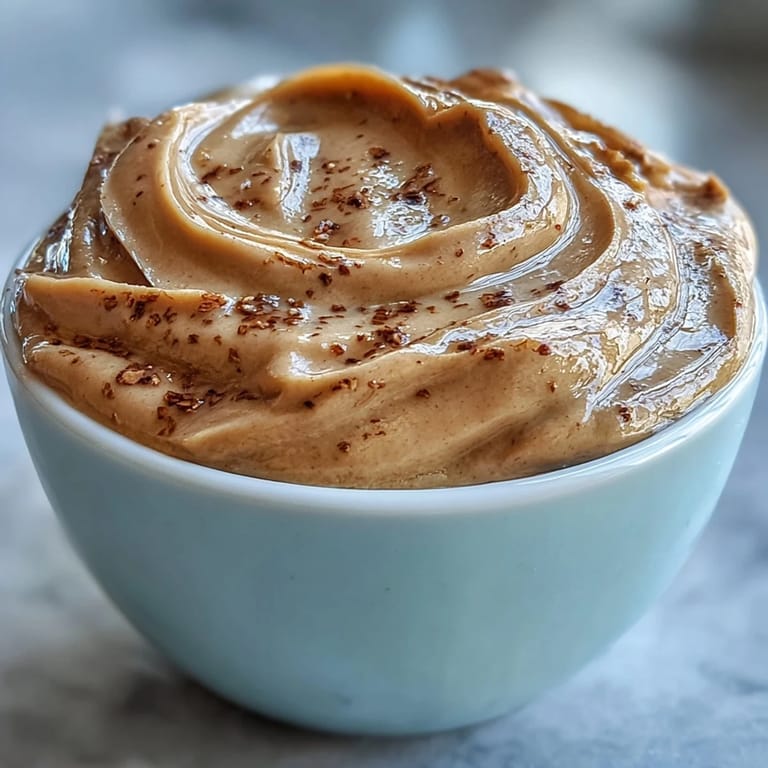
 What strikes me most about this pudding is how it transformed a weeknight dessert moment into something that felt almost ceremonial. My partner and I sat in the kitchen with our glasses, not rushing through them, and somehow that small choice changed the entire evening into something quieter and more intentional. That's what this recipe does—it asks you to slow down.
The Hojicha Difference
Hojicha is green tea that's been roasted at high temperature, which strips away some of the bitterness and replaces it with these warm, grain-like notes that feel almost nutty. Most people expect their tea desserts to taste bright and vegetal, so the earthiness of hojicha often surprises them in the best way. The flavor is subtle enough that it doesn't overwhelm, but distinctive enough that you can't mistake it for vanilla or plain custard.
Variations That Work
If you can't find hojicha, you can substitute it with genmaicha (green tea mixed with roasted rice) for a slightly different but equally pleasant flavor, or even a very finely ground hojicha powder whisked directly into the warm cream. For a vegan version, swap the whole milk and heavy cream for full-fat coconut milk, use cornstarch instead of eggs as your thickener, and the result is still creamy and satisfying. I've also experimented with adding a tiny pinch of matcha alongside the hojicha to deepen the tea flavor, though it changes the color to a more olive tone.
Serving and Storage
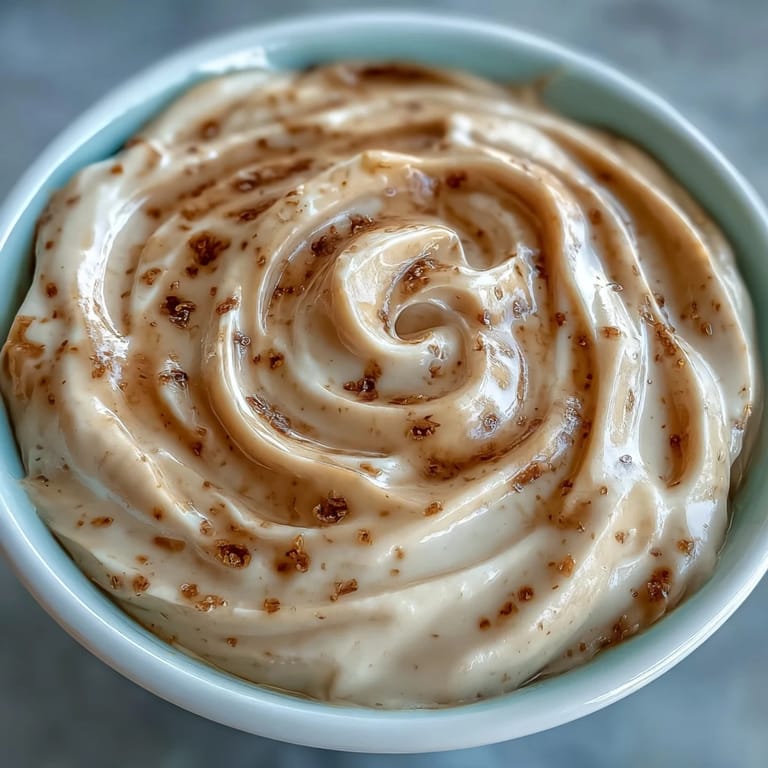
Serve these chilled in small glasses or traditional ramekins, topped with a small dollop of whipped cream and a light scatter of roasted tea leaves or cocoa powder if you have them on hand. They keep beautifully in the refrigerator for three days, making them perfect for preparing ahead when you have guests arriving. A drizzle of honey or a handful of fresh berries on the side turns this simple dessert into something that feels complete on any table.
- Make these up to three days in advance and keep them covered with plastic wrap to prevent the surface from drying out.
- If you can't find whipped cream, a dollop of crème fraîche works wonderfully and adds a subtle tanginess that complements the tea.
- These portions are intentionally small because the pudding is rich and the flavor-to-volume ratio means you'll feel satisfied with just a few spoonfuls.
 Save to Pinterest
 Every time I make this pudding, I'm reminded that the most memorable desserts are often the simplest ones, the ones that ask us to pay attention to a few good ingredients rather than to complexity or fuss. I hope this becomes something you make again and again.
Questions & Answers
- → What makes hojicha different from regular green tea?
Hojicha is roasted green tea that develops a deep, earthy flavor with lower caffeine content. Unlike fresh green teas, it has nutty, caramel-like notes that pair beautifully with dairy desserts.
- → Can I make this ahead of time?
Absolutely. This custard actually improves after chilling longer. You can prepare it up to 2 days in advance and store covered in the refrigerator until ready to serve.
- → How do I know when the custard is thick enough?
The custard is ready when it coats the back of a wooden spoon and leaves a clear line when you run your finger through it. This usually takes 5-7 minutes over low heat.
- → What can I use instead of ramekins?
Any small serving vessels work beautifully—tea cups, mason jars, wine glasses, or even one large serving bowl for family-style presentation.
- → Can I use hojicha powder instead of loose leaves?
Yes, substitute 2 teaspoons of hojicha powder and whisk it directly into the warm milk mixture. This eliminates the straining step and intensifies the tea flavor.
- → How long will leftovers keep?
Properly covered and refrigerated, this custard stays fresh for 3-4 days. The texture remains creamy, though the tea flavor may mellow slightly over time.