 Save to Pinterest
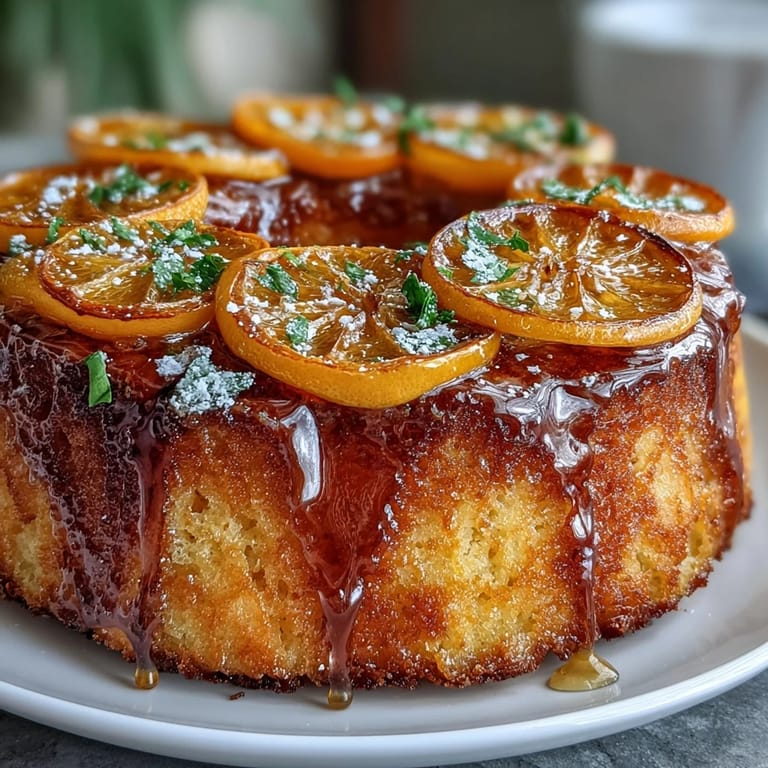
 There's something about the smell of oranges caramelizing in sugar that makes you pause mid-afternoon and just breathe it in. I discovered this cake by accident, really—I had bought too many oranges at the market and was determined not to waste them, so I started candying slices out of necessity. Hours later, as I folded those glossy, translucent rounds into a tender olive oil cake batter, I realized I'd stumbled onto something special. The cake itself is moist and delicate, with that distinctive fruity richness that only good olive oil can bring, and the candied oranges give it both texture and a sophisticated bittersweet edge.
I brought this cake to my neighbor's birthday tea last spring, and watching her eyes light up when she bit into a slice with a piece of candied orange was pure joy. She asked for the recipe immediately, then called me a week later to say she'd made it three times already. That's when I knew this wasn't just a good cake—it was the kind of recipe that actually gets used and passed along, not filed away and forgotten.
Ingredients
- Medium oranges (2): Choose unblemished fruit with thin skin if possible, since you'll be eating it—I learned this after a batch of thick-skinned oranges took forever to turn translucent.
- Granulated sugar (1 cup for candying, 1 cup for cake): Keep these separate so you don't accidentally mix them up; I once grabbed the wrong bowl and had to start over.
- Water (1 cup): Use filtered if your tap water is heavily chlorinated, as it can mute the delicate orange flavor.
- All-purpose flour (2 cups): Spoon and level rather than scooping directly from the bag—this one small step changed my cake density overnight.
- Baking powder and baking soda: Check your expiration dates; stale leavening agents are the silent killer of otherwise perfect cakes.
- Salt (1/2 teaspoon): Sea salt or kosher salt work beautifully and actually enhance the citrus notes.
- Orange zest (from 1 orange): Zest before juicing, and use a microplane for the finest texture—it makes a visible difference in the final crumb.
- Large eggs (3, room temperature): Cold eggs won't incorporate smoothly with the oil, so pull them from the fridge 15 minutes before you start.
- Extra virgin olive oil (3/4 cup): Use something you actually enjoy tasting, not the cheapest bottle—it's the backbone of this cake's flavor.
- Whole milk (3/4 cup, room temperature): The temperature matters more than you'd think for proper emulsification with the oil.
- Vanilla extract (1 teaspoon): Real vanilla is worth it here; imitation extract can taste sharp alongside the citrus.
- Powdered sugar (1 cup): Sift it even if it looks fine, because lumps in the glaze are surprisingly noticeable.
- Fresh orange juice and lemon juice (2-3 tablespoons and 1 tablespoon): Squeeze these fresh—bottled juice tastes flat in comparison and the glaze won't have that bright finish.
Tired of Takeout? 🥡
Get 10 meals you can make faster than delivery arrives. Seriously.
One email. No spam. Unsubscribe anytime.
Instructions
- Candy those oranges first:
- Combine sugar and water in a large skillet and bring it to a gentle simmer, stirring just until the sugar dissolves—you want a lazy, steady heat, not an aggressive boil. Arrange your orange slices in a single layer (work in batches if needed) and let them bubble away for 20 to 25 minutes, flipping them halfway through, until they turn translucent and the rind becomes tender. You'll know they're done when the flesh is almost see-through and the edges start to curl slightly.
- Get your oven ready:
- While the oranges finish their transformation, preheat your oven to 350°F and grease a 9-inch round cake pan generously. Line the bottom with parchment paper so your finished cake releases cleanly—I've learned this the hard way more than once.
- Whisk together the dry team:
- In a medium bowl, combine your flour, baking powder, baking soda, and salt, whisking them together so everything is evenly distributed and there are no hidden pockets of baking soda.
- Build the wet base:
- In a large mixing bowl, pour your sugar and add the orange zest, then rub them together with your fingertips for a minute—this releases the oils and smells absolutely incredible. Crack in your eggs and whisk until the mixture is pale and thick, which usually takes about 2 to 3 minutes of good whisking.
- Merge wet and dry gently:
- Now comes the important part: add half of your dry mixture to the eggs, followed by half of the milk and all of the vanilla, stirring just until combined. Repeat with the remaining dry ingredients and milk, mixing only until you don't see streaks of flour—overworking at this stage makes the cake tough, which defeats the whole purpose of using olive oil.
- Layer and pour:
- Arrange your cooled candied orange slices across the bottom of your prepared pan in a single layer (save a few for decoration if you like), then pour the batter over them and smooth the top gently with a spatula.
- Bake until golden:
- Slide it into the oven for 45 to 50 minutes—it's done when the top is golden brown and a toothpick poked into the center comes out clean or with just a few moist crumbs. Let it cool in the pan for 15 minutes, then turn it out onto a wire rack to cool completely.
- Make the glaze:
- Whisk together your sifted powdered sugar, fresh orange juice, and lemon juice until smooth and pourable, then drizzle it over the cooled cake in whatever pattern feels right. Decorate with the reserved candied oranges and let the glaze set for a few minutes before serving.
 Save to Pinterest
 The magic of this cake isn't just in how it tastes—it's in how it transforms an ordinary afternoon into something that feels intentional and special. My daughter now requests it for her birthday instead of a traditional frosted cake, and I've watched friends take photos and send them to family group chats before they even take a bite.
The Story Behind Candied Citrus
Candying fruit is one of those techniques that sounds fancy but is actually just sugar, time, and patience—three things most of us have in abundance if we're willing to slow down. The beauty of it is that you end up with something that's both decorative and delicious, not just a pretty garnish that tastes like nothing. I've since candied lemons, grapefruits, and even thin slices of Meyer lemon with the same method, and each one brings a different personality to whatever cake or dessert you decide to dress up with it.
Why Olive Oil Changes Everything
Using olive oil instead of butter might seem like a substitution at first, but it's actually a completely different approach to cake-making. The oil creates a crumb that's impossibly tender and stays moist longer—it's the reason Mediterranean cake recipes have been beloved for centuries. The flavor is also lighter and more delicate than butter would be, which is exactly what you want when you're trying to let the citrus shine through.
Variations and Flexibility
This cake is more flexible than it first appears, and I've had wonderful results playing with it in different ways. The base formula is forgiving enough to handle some changes without becoming something completely different. What matters is respecting the ratio of wet to dry and not skipping the candied oranges, which are really the whole point.
- Try blood oranges for a darker, more dramatic appearance and a slightly earthier flavor that's equally stunning.
- Swap the milk for Greek yogurt if you want a tangier crumb and a touch more richness—use the same volume and it works beautifully.
- Pair it with Moscato d'Asti for an elegant finish, or simply brew a pot of Earl Grey tea and call that dessert enough.
 Save to Pinterest
 This cake has a way of becoming a favorite once you make it, and somehow it always feels like the right dessert for the right moment. Share it generously, and you'll start receiving messages from people asking for the recipe weeks later.
Questions & Answers
- → How do I make the candied oranges?
Thinly slice oranges and simmer gently in sugar water until translucent and tender, flipping occasionally to ensure even candying.
- → What type of olive oil is best for this cake?
Extra virgin olive oil provides a fruity, rich flavor that complements the citrus and adds moistness to the cake.
- → Can I substitute the milk with another ingredient?
Greek yogurt can be used for a tangier crumb and added moisture, maintaining a tender texture.
- → How should I bake the cake for best results?
Bake in a lined 9-inch pan at 350°F (175°C) until a toothpick comes out clean, typically 45–50 minutes, to ensure even cooking and moistness.
- → What is the purpose of the citrus glaze?
The glaze adds a bright, tangy finish that enhances the candied oranges and balances the cake's sweetness.
- → How do I store leftovers to keep freshness?
Store in an airtight container for up to 3 days to maintain moisture and flavor.