 Save to Pinterest
 I discovered the magic of guava margaritas during a sweltering afternoon when a friend brought over a bag of impossibly ripe guavas from a farmers market she'd visited that morning. We had nothing planned beyond staying cool, so I improvised with what we had in the liquor cabinet—tequila, lime, and some orange liqueur hiding in the back. The first sip was revelatory, that tropical sweetness cutting through the sharp citrus in a way that felt both unexpected and inevitable.
My neighbor stopped by that same evening, lured by the sound of aggressive shaker-rattling, and before I could explain what I was doing, she was already pulling up a stool. We made a batch for the three of us, and she made me promise to write down the proportions before she left because she wanted to bring them to her daughter's birthday gathering the following weekend. That small moment of someone wanting to recreate something you've made feels like its own kind of victory.
Ingredients
- Premium tequila (blanco or reposado): The spirit matters here because it's doing the heavy lifting, so choose something you actually enjoy drinking straight, not just whatever was on sale.
- Orange liqueur (Cointreau or Triple Sec): This adds floral notes and a subtle bitterness that balances the guava's sweetness perfectly, preventing the drink from tasting like you poured juice into alcohol.
- Fresh guava juice: If you can squeeze it yourself from ripe guavas, do it—the difference between fresh and bottled is noticeable and worth the minor effort of running fruit through a strainer.
- Freshly squeezed lime juice: Never use the bottled stuff; fresh lime juice is sharp and alive, and it's what prevents this from becoming a dessert drink.
- Agave syrup: Use this sparingly and adjust to your taste because guavas vary wildly in natural sweetness depending on the season and how ripe they actually are.
- Ice cubes: Have more on hand than you think you'll need, as proper dilution from melting ice is what makes a margarita feel refreshing rather than syrupy.
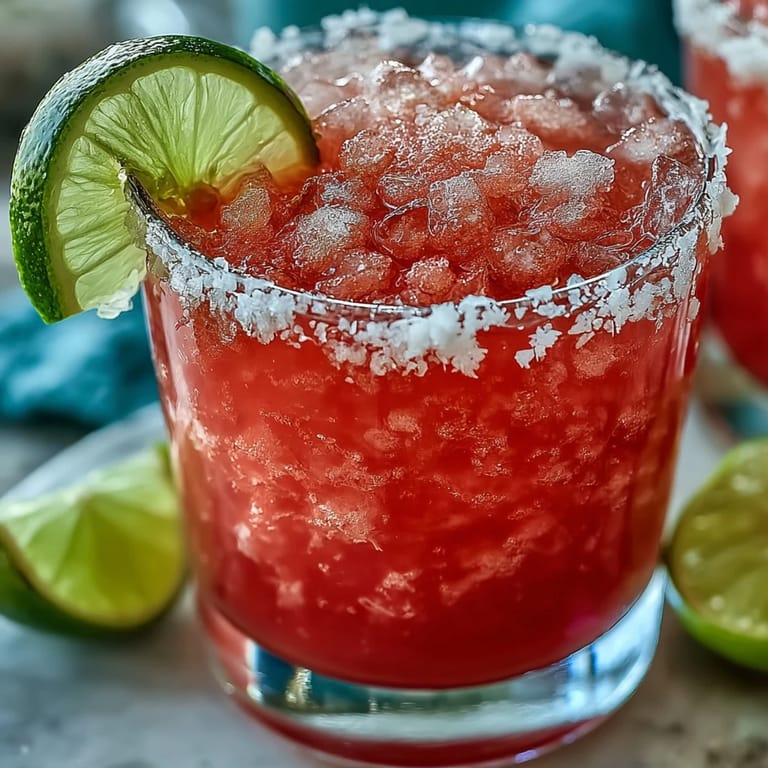
- Lime wedges or wheels: Fresh limes provide both texture and flavor when you use them for the rim and as garnish, so don't skip this step.
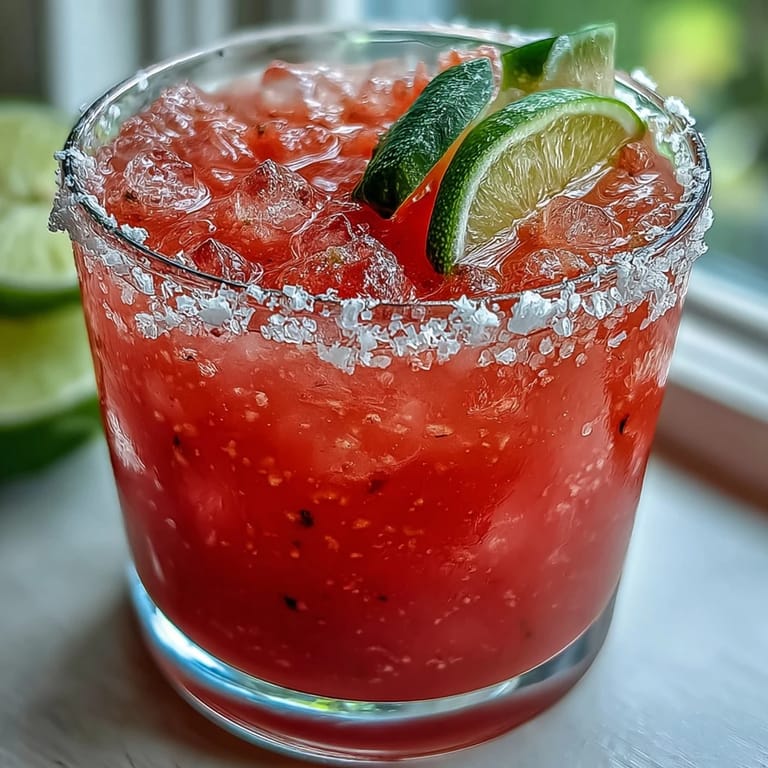
- Coarse sea salt or Tajín: The salt rim is optional but worth doing because it creates this beautiful flavor bridge between sweet and savory with each sip.
- Guava slices: A purely visual touch, but these ice-cold slivers make a wonderful surprise when you're halfway through the drink.
Tired of Takeout? 🥡
Get 10 meals you can make faster than delivery arrives. Seriously.
One email. No spam. Unsubscribe anytime.
Instructions
- Rim your glasses if you're using salt:
- Run the lime wedge around the rim of each glass until it's damp, then press the rim into coarse salt or Tajín on a small plate—the citrus makes everything stick better, and the coating should be uneven and rustic, not perfect.
- Fill with ice:
- Pack your rocks glasses generously with ice cubes, filling them almost to the top so the drink stays properly chilled from first sip to last.
- Combine your ingredients in the shaker:
- Pour the tequila, orange liqueur, guava juice, lime juice, and agave syrup into your cocktail shaker, then add a good handful of fresh ice—the shaker needs to be cold before you shake, or your drink will be warm and diluted unevenly.
- Shake with conviction:
- Close the shaker tight and shake vigorously for about fifteen seconds, which is long enough to chill everything thoroughly but not so long that you're overwatering the drink with melting ice. You'll hear the ice crashing around in there and feel the shaker getting frosty, which is exactly what you want.
- Strain into your prepared glasses:
- Using a cocktail strainer, pour the margarita evenly into each glass, dividing the mixture fairly between them so both drinks taste identical.
- Garnish and serve immediately:
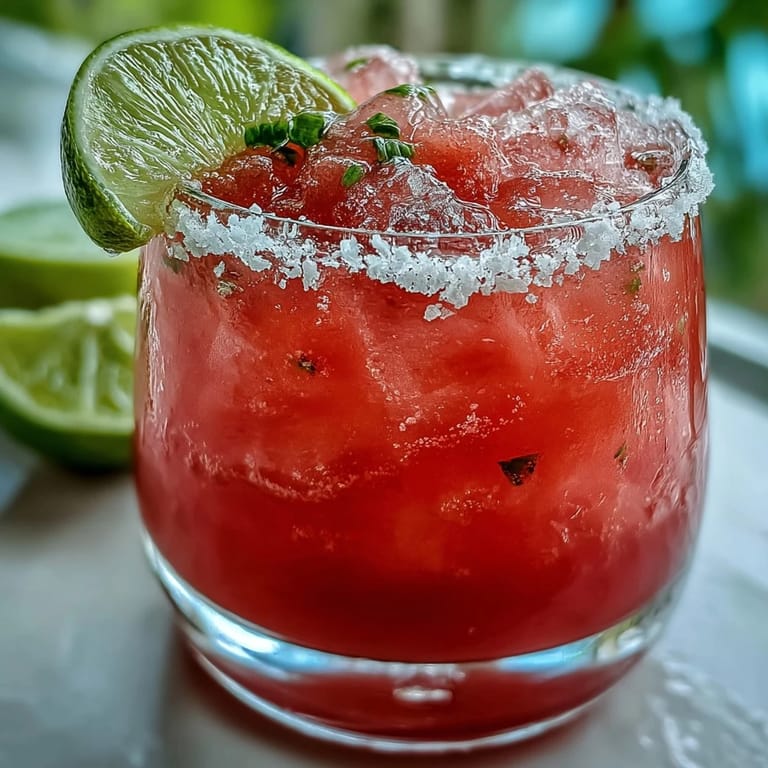
- Place a lime wheel on the rim of each glass, add a guava slice if you're using one, and serve right away while the drink is still properly cold.
 Save to Pinterest
 There's something about serving a margarita you've made yourself that changes how people perceive it—suddenly they're not just drinking a cocktail, they're experiencing something you intentionally created for them. My friend came back the next week with guavas of her own because she'd gotten hooked, and we've been riffing on the basic formula ever since, sometimes adding a whisper of jalapeño, sometimes adjusting the ratios based on how sweet that week's guavas happened to be.
Finding Perfect Guavas
The biggest variable in this recipe is the guava itself, and learning to pick a good one takes practice. A ripe guava should yield slightly to pressure like an avocado, smell intensely fragrant and almost floral, and have skin that's transitioned from green to yellow or light pink depending on the variety. I've learned to ask farmers at the market which ones they recommend for juice rather than eating whole, because they know the subtle differences in flavor and texture that separate an okay guava from an exceptional one.
Playing With The Balance
Once you've made this once, you'll understand the balance and how to adjust it for your own preferences—maybe you want more agave, maybe you want less orange liqueur and more lime juice, or maybe you're someone who loves the salt rim while your partner finds it too assertive. The framework stays the same but the proportions become a conversation between you and the ingredients. I've found that keeping detailed notes about which guavas you used and how you felt about the final drink's sweetness and brightness helps you dial things in the next time around.
Serving Suggestions and Timing
These margaritas are best served immediately after shaking while they're still perfectly cold and the flavors are bright and sharp, so don't make them far in advance. They pair wonderfully with salty snacks like tortilla chips and guacamole, grilled shrimp or fish, or even something as simple as fresh ceviche. A few practical reminders will help you serve these with confidence:
- Always have extra ice on hand because you'll use it both in the shaker and in the glasses, and melted ice ruins the texture and taste.
- Squeeze your limes right before using them because the juice oxidizes quickly and loses its bright sharpness once it's been exposed to air for too long.
- Make sure your shaker is completely sealed before you start shaking, or you'll end up with margarita all over your counter and clothes.
 Save to Pinterest
 There's genuine joy in the simplicity of this recipe paired with the restaurant-quality result, especially when someone takes that first sip and their whole face changes. Make these for yourself on a quiet afternoon, or make them for a crowd on a hot evening—either way, you're sharing something that tastes like summer and friendship.
Questions & Answers
- → What type of tequila works best for guava margaritas?
Blanco (silver) tequila provides a clean, crisp backdrop that lets the guava shine, while reposado adds subtle oak notes. Both work beautifully depending on your preference for lightness or depth.
- → Can I use bottled guava juice instead of fresh?
Yes, high-quality bottled guava juice works well. Look for pure guava juice without added sugars. Strain it before using to remove any pulp for a smoother texture.
- → How do I make a spicier version?
Add thin jalapeño slices to the shaker and muddle gently before adding ice. Start with one slice and adjust to your heat preference. The spice complements the tropical sweetness perfectly.
- → What's the best way to strain fresh guava juice?
Blend ripe guavas with a little water, then push through a fine-mesh sieve. Cheesecloth helps extract every drop. For convenience, frozen guava pulp thawed and strained also yields excellent results.
- → Can I prepare these ahead for a party?
Mix the tequila, orange liqueur, guava juice, lime juice, and agave in a pitcher up to 4 hours ahead. Keep refrigerated and shake with ice just before serving to maintain optimal freshness and chill.
- → What food pairs well with guava margaritas?
These tropical drinks complement chips and salsa, grilled shrimp tacos, ceviche, or spicy Asian dishes. The sweet-tart profile cuts through rich foods and balances heat beautifully.