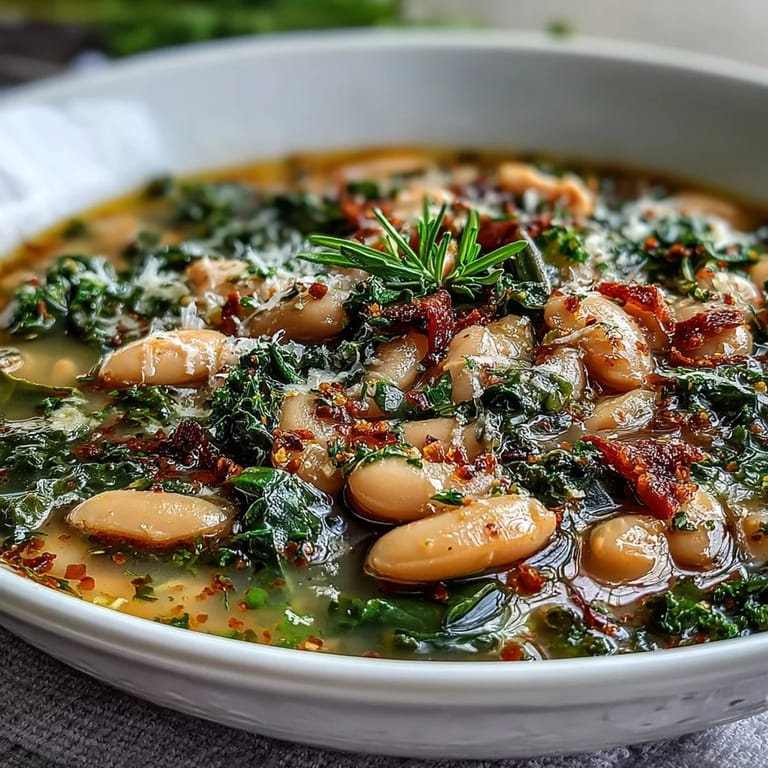
 Save to Pinterest
 There's something about watching kale wilt into a pot of simmering broth that makes you feel like you're cooking something genuinely good for yourself. My neighbor Marco taught me this soup years ago when I asked him why his kitchen always smelled like herbs and lemon, and he just smiled and said, "Toscana in a bowl." It's become the recipe I turn to when the weather shifts, when I need something warming but not heavy, and when I want to remember that the simplest ingredients often make the best meals.
I made this for my sister on a cold Tuesday when she was going through a rough patch, and she sat at my kitchen counter eating three bowls while we talked about nothing important. That's when I knew it wasn't just a recipe—it was the kind of food that tells people you're thinking about them, that you took time to do something right.
Ingredients
- Olive oil (2 tablespoons): Use a good quality oil for sautéing; it's the foundation of the flavor base.
- Yellow onion (1 medium, diced): The sweetness builds as it caramelizes slightly, creating depth.
- Carrots (2 medium, peeled and diced): They soften into the broth and add natural sweetness that balances the greens.
- Celery stalks (2, diced): This is your umami anchor—don't skip it even if it seems like a small thing.
- Garlic (3 cloves, minced): Add it after the soffritto so it doesn't burn; one minute is perfect.
- Kale (1 bunch, stems removed, about 4 cups packed): Tuscan kale is traditional and more tender than curly kale, but use what you have.
- Lemon zest (from 1 lemon): Zest before you juice; a microplane makes this effortless and gives you finer pieces.
- Cannellini beans (2 cans, drained and rinsed): Rinsing removes excess sodium and starch; it matters for the broth's clarity.
- Vegetable broth (4 cups low-sodium): Low-sodium lets you control the seasoning; taste before adding salt.
- Water (1 cup): This dilutes the broth just enough so the beans shine without everything tasting too concentrated.
- Dried thyme (1 teaspoon): Thyme is essential; it's the herb that makes this taste Tuscan.
- Dried rosemary (1 teaspoon, or 1 tablespoon fresh minced): Fresh rosemary is wonderful, but dried works beautifully here.
- Bay leaf (1): Always remove it at the end; I learned this by accidentally leaving it in once.
- Crushed red pepper flakes (1/2 teaspoon, optional): Add this if you like a whisper of heat that wakes up your palate.
- Salt and black pepper: Taste as you go; you'll likely need more than you think.
- Lemon juice (2 tablespoons, freshly squeezed): Never use bottled; the difference is immediate and unmissable.
- Parmesan cheese (1/4 cup grated): Grate it fresh if you can; it melts differently and tastes lighter.
- Extra-virgin olive oil (for drizzling): This is a finishing touch, so use something you love the flavor of.
Tired of Takeout? 🥡
Get 10 meals you can make faster than delivery arrives. Seriously.
One email. No spam. Unsubscribe anytime.
Instructions
- Build your flavor base:
- Heat olive oil in a large pot over medium heat, then add the onion, carrots, and celery together. Let them soften for 6 to 8 minutes, stirring occasionally—you'll notice the kitchen filling with that classic warm vegetable smell.
- Bloom the garlic:
- Add your minced garlic and let it cook for just about one minute until it becomes fragrant. This quick step prevents it from burning while releasing all its flavor into the oil.
- Wilt the kale:
- Stir in the chopped kale and cook for 2 to 3 minutes; you'll watch it transform from a pile of leaves into something tender and dark green.
- Bring everything together:
- Add the drained cannellini beans, vegetable broth, water, thyme, rosemary, bay leaf, and red pepper flakes if you're using them. Season with salt and pepper to taste.
- Simmer gently:
- Bring the mixture to a boil, then lower the heat and let it simmer uncovered for about 20 minutes. Stir every few minutes; the beans will soften further and everything will meld.
- Create creaminess without cream:
- Ladle about one cup of soup and beans into a bowl, then mash it with a fork until broken down, or blend it if you prefer a smoother texture. Return this mashed mixture back to the pot and stir—this technique creates a naturally creamy broth without any heavy cream.
- Finish with brightness:
- Stir in the lemon zest and fresh lemon juice, then simmer for 2 more minutes. Taste the soup and adjust salt and pepper until it sings.
- Remove and serve:
- Take out the bay leaf with a spoon, ladle the soup into bowls, then top each serving with a generous handful of grated Parmesan and a slow drizzle of your best olive oil.
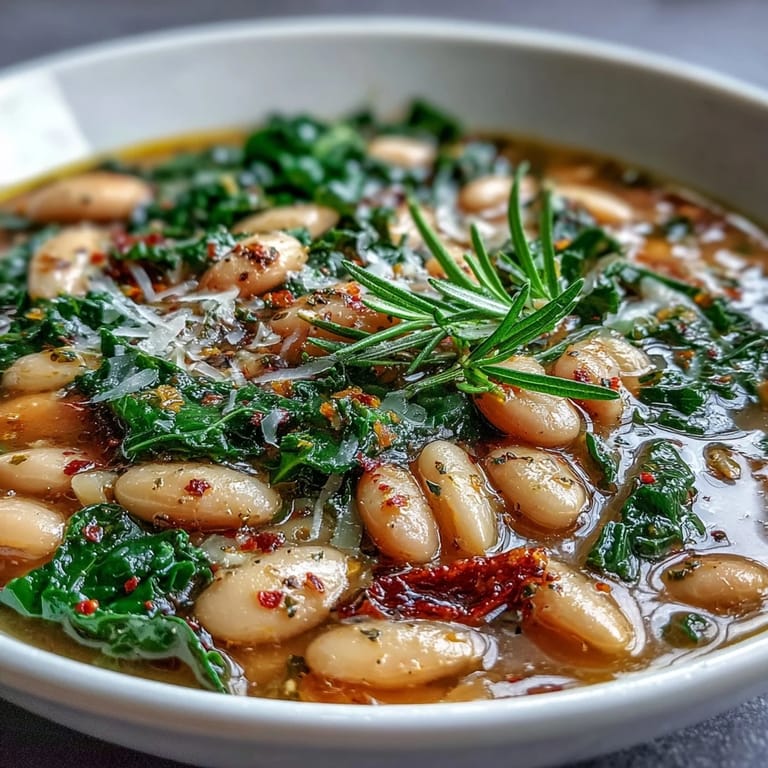 Save to Pinterest
 I think what makes this soup special is that it's honest—no shortcuts, no pretense, just good vegetables, beans, and the kind of herbs that have been used in Italian kitchens for centuries. Every time I make it, I'm reminded that the best meals don't need to be complicated.
The Magic of Soffritto
Soffritto is the Italian kitchen's secret weapon, and it's just onion, carrot, and celery cooked slowly together until they become something greater than their parts. Those first 8 minutes matter more than you'd think; you're not rushing, you're coaxing out sweetness and building a foundation that every other flavor will rest on. Once you understand this, you'll start using soffritto in everything from risotto to stews, and your cooking will shift.
Why Fresh Lemon Zest Changes Everything
There's a moment when you add lemon zest to a warm soup when the oils from the peel release and perfume the entire pot, and suddenly everything tastes alive. Bottled lemon juice is convenient, but it's missing those bright aromatic oils that make this soup taste like it came from a Tuscan kitchen and not a can. The zest is what separates a good bowl of soup from a memorable one, so it's worth taking the extra thirty seconds to grate it fresh.
Serving Suggestions and Customizations
This soup is beautiful on its own, but it transforms into something almost luxurious when you serve it with warm crusty bread for soaking up the last spoonfuls of broth. I've added cooked Italian sausage for company, swapped baby spinach for the kale when that's what I had, and even served it at room temperature on a warm day with good results. The base is sturdy enough to handle your experiments.
- Toast thick slices of bread with a little olive oil and garlic, then pile them in the bowl and pour the soup over for a bread salad situation.
- A generous drizzle of your most expensive olive oil and fresh cracked pepper on top costs almost nothing but feels completely indulgent.
- If you're making this for someone who can't have dairy, skip the Parmesan and let the lemon and olive oil do all the finishing work.
 Save to Pinterest
 Cook this soup when you need to feel like you're taking care of yourself, and serve it to people you want to remember that you're thinking of them. It's that kind of food.
Questions & Answers
- → Can I use spinach instead of kale?
Yes, baby spinach works well as a substitute. Add it during the last few minutes of cooking to prevent over-wilting.
- → How can I make this soup vegan?
Simply omit the Parmesan cheese or replace it with a plant-based alternative to keep the soup dairy-free.
- → What’s the best way to get a creamier texture without cream?
Mash a portion of the beans and soup, then stir it back into the pot to create a naturally creamy consistency.
- → Can I prepare this soup ahead of time?
Absolutely. The flavors develop well overnight. Store in the fridge and reheat gently before serving.
- → What herbs complement this soup’s flavor?
Thyme and rosemary add earthiness, while the bay leaf enhances aroma. Fresh lemon zest and juice brighten the dish.