 Save to Pinterest
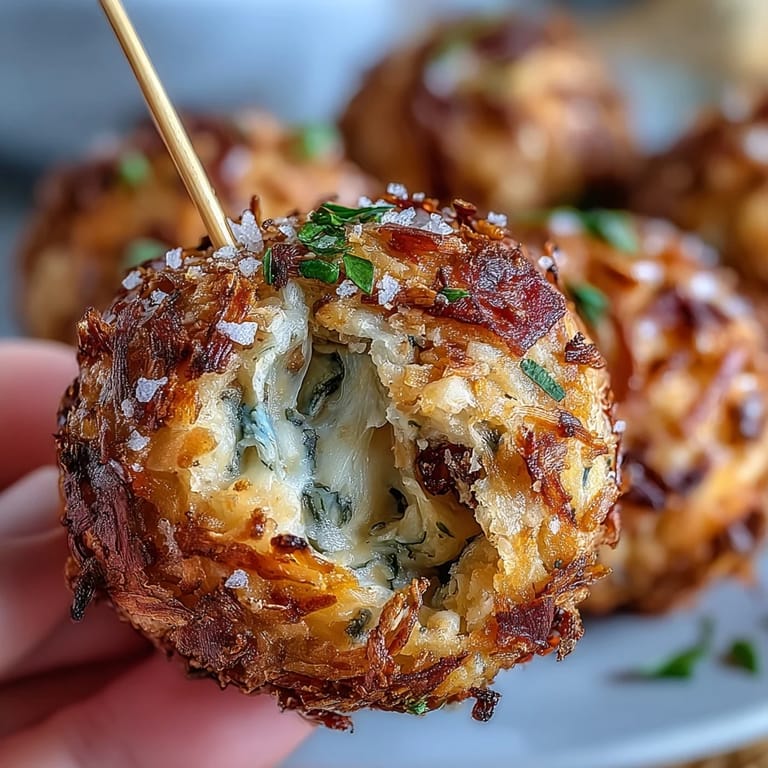
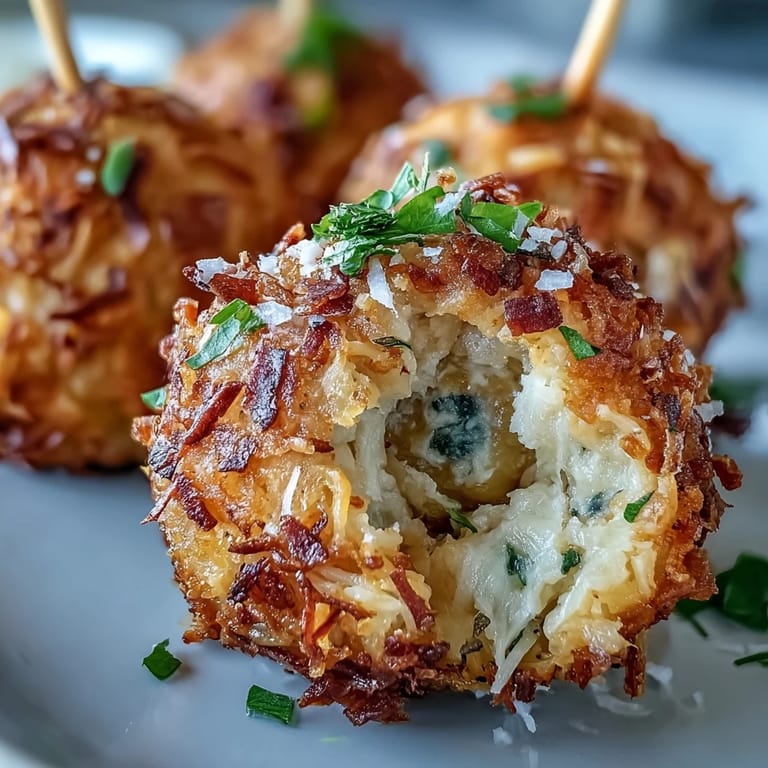
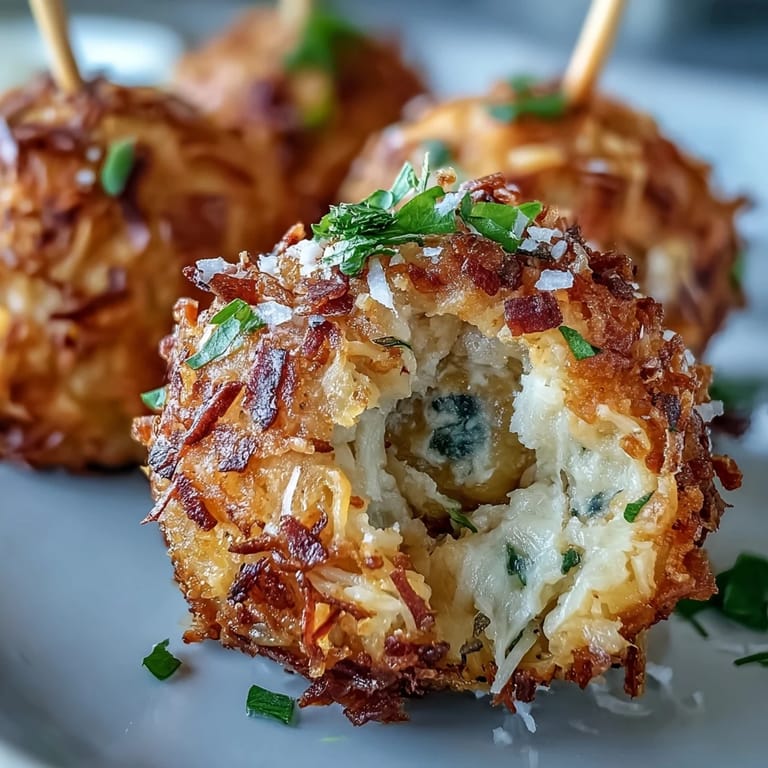
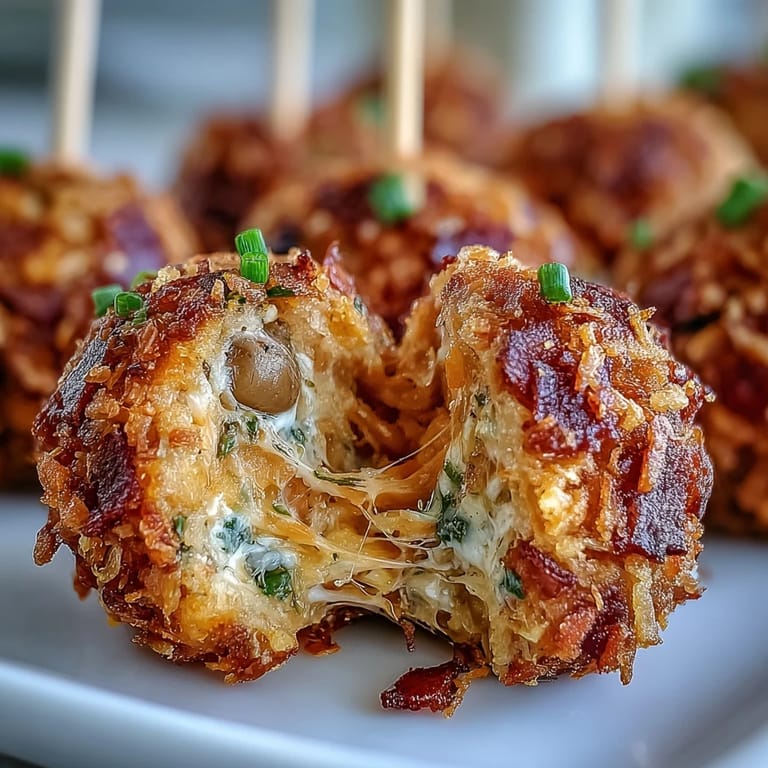
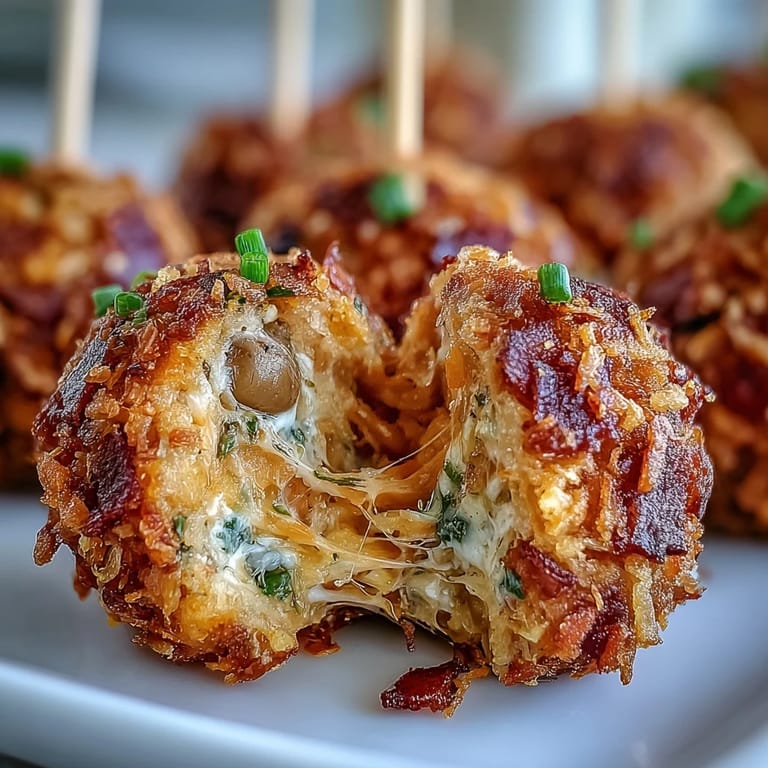
 The aroma of melting cheddar always takes a different turn when there are friends in the kitchen. Last spring, the air buzzed with talk of hats and horses, and I found myself tucking olives into pillowy bits of dough, not out of nostalgia, but pure party ambition. There's something about serving food on a skewer that turns everyone into a grazer— and these Derby Party Olive Cheese Balls started conversations before anyone even took a bite. The sizzle as they bake and scent that fills the kitchen invite everyone closer. It hardly matters if they've gathered for racing or just the fun of it—these are always the first thing to vanish.
The first time I made these, my neighbor popped in with her Derby fascinator still askew and ended up rolling dough right alongside me. We pretended to argue over skewer placement while sneaking hot cheese balls straight off the tray. Sometimes, these little kitchen improvisations turn into the highlight of the night.
Ingredients
- All-purpose flour: It’s the backbone of the dough; I sift mine for the lightest texture.
- Sharp cheddar cheese: Freshly grated melts smoother and gives that real savory punch.
- Unsalted butter: Room temperature helps the dough come together silky and fast.
- Cayenne pepper: Totally optional, but it whispers heat rather than shouts.
- Smoked paprika: Adds an irresistible warm smokiness you’ll miss if you skip it.
- Salt: Balances and deepens all the other flavors in just a pinch.
- Large green olives (pitted): Go for plump, briny ones—Manzanilla are classic, but play with what you have.
- Appetizer-sized skewers or toothpicks: Let’s be honest, party food tastes better on a stick.
Tired of Takeout? 🥡
Get 10 meals you can make faster than delivery arrives. Seriously.
One email. No spam. Unsubscribe anytime.
Instructions
- Get the oven and pan ready:
- Preheat to 400°F (200°C); lining your sheet with parchment means easy cleanup and perfect bottoms.
- Mix the dough by hand:
- Tumble flour, cheese, butter, spices, and salt in a bowl, then dive in with your hands—there’s real satisfaction in feeling the dough come together soft and slightly shaggy.
- Shape the dough:
- Press into a rectangle, do your best to divide it evenly into 24 pieces, and don’t stress—slight wonkiness adds charm.
- Wrap the olives:
- Flatten a dough piece in your palm, center a green olive, then fold and pinch until it’s snugly sealed. Roll gently for an even ball.
- Arrange and chill (optional):
- Line balls on the tray with a little space in between; a short stint in the fridge keeps them neat and round as they bake.
- Bake to golden perfection:
- Soon as they’re golden and smell tempting, pull them out—give them a few minutes to settle before touching.
- Skewer and serve:
- Slide a skewer into each warm ball. Stack them on a plate and just watch people light up.
 Save to Pinterest
  Save to Pinterest
 The year my cousin finally made it to the Derby party, he tried these with grainy mustard and wound up declaring them “officially the best distraction from betting losses.” Watching everyone reach for seconds, I realized these bites had become something folks now looked forward to more than the races.
Make-Ahead Wisdom for Busy Hosts
I’ve learned that shaping the dough balls a day early and popping them (covered) in the fridge keeps party prep delightfully low-stress. On party day, just bake straight from cold and you’ll get extra golden bottoms with zero fuss.
Festive Serving Ideas for Every Occasion
Skip the fancy trays and pile these on a wooden board with little ramekins of mustard, honey bourbon dip, or even just extra olives. Whether you’re at a party or a picnic, guests will hover nearby—nibbling and chatting all evening long.
Switch Things Up: Creative Variations
Stuff in blue cheese olives for something bold, or swap in black olives for a gentler bite. Add a dash of hot sauce to the dough for Southern heat or experiment with spices from your cupboard—you never know which combo will become your signature twist.
- If the dough feels too sticky, add a dusting of flour before rolling.
- Leftovers crisp up nicely in the oven the next day—if there are any.
- Don’t be afraid to try different olives or cheeses to make it your own.
 Save to Pinterest
  Save to Pinterest
 It’s amazing how something so easy can feel so celebratory—may your kitchen be filled with laughter, flaky pastry, and friends reaching for more.
Questions & Answers
- → Can I use other cheeses instead of sharp cheddar?
Yes—moderately sharp cheeses like Colby, Monterey Jack or a mild Gruyère work well. Choose a cheese that melts into a cohesive dough; very wet or crumbly cheeses may require a small reduction in added butter or a bit more flour to maintain shaping.
- → Which olive varieties give the best results?
Pitted green Spanish Manzanilla or Castelvetrano offer a firm texture and briny flavor that balance the cheddar. Jalapeño-stuffed olives add heat, while black olives give a milder, earthier note. Always use pitted olives for easier wrapping and eating.
- → How do I prevent the dough from splitting or leaking while baking?
Seal seams tightly by pinching and smoothing the dough around each olive, and roll gently to form a smooth ball. Chilling the formed balls for 10 minutes before baking firms the dough and reduces shrinking or splitting as they bake.
- → Can these be made ahead or frozen?
Yes—assemble and freeze the formed balls on a baking sheet until solid, then transfer to a freezer container. Bake from frozen, adding a few extra minutes to the baking time. Alternatively, prepare and refrigerate for up to 24 hours before baking.
- → What are good serving suggestions and dipping options?
Serve warm or at room temperature on skewers with grainy mustard, bourbon-honey dip, or a tangy hot sauce. They pair well with cured meats and pickles as part of a larger appetizer spread.
- → How can I adapt these for gluten-free or dairy-free diets?
Use a gluten-free all-purpose flour blend in place of wheat flour and choose a firm dairy-free spread and a plant-based shredded cheese that melts well. Expect slight texture differences; chilling helps with handling when using alternatives.