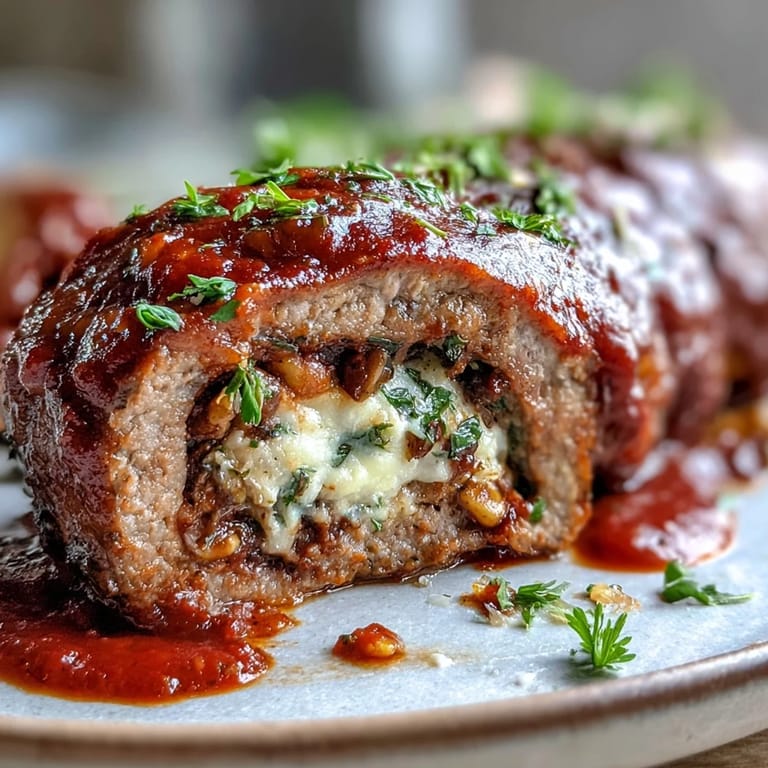
 Save to Pinterest
 My nonna used to let the smell of browning meat fill the entire apartment before she'd even start the sauce. She said that's how you know the kitchen is awake. I didn't understand it until I made braciole on my own one Sunday, and the scent of seared beef brought my neighbor knocking, asking if everything was okay. Everything was better than okay.
I made this for a dinner party once and forgot to remove the toothpicks from two of the rolls. One guest bit down gently and just laughed, saying it felt like the most authentic Sicilian experience he'd ever had. Now I double-check every single roll before plating, but I still smile thinking about that night.
Ingredients
- Beef top round or flank steak: Thin slices are essential so they roll without tearing, and pounding them just a bit ensures they cook evenly and stay tender during the long simmer.
- Pecorino cheese: Sharp and salty, it anchors the filling with a boldness that holds up against the tomato sauce.
- Pine nuts: Toasting them lightly in a dry pan for just a minute or two brings out a buttery richness that makes all the difference.
- Raisins: They plump up as the braciole cook, adding little bursts of sweetness that balance the salt and acidity beautifully.
- Fresh parsley and basil: These herbs keep the filling bright and aromatic, cutting through the richness with a clean, grassy note.
- Garlic: Minced finely so it blends into the filling without overpowering, just enough to add warmth.
- Breadcrumbs: They help bind the filling and soak up any moisture, keeping everything cohesive inside the roll.
- Crushed tomatoes: A good quality canned variety works perfectly here, providing a smooth, rich base that clings to the meat.
- Dry red wine: Optional but wonderful for deglazing the pan and adding a layer of depth to the sauce.
- Dried oregano: A classic Sicilian touch that brings earthy, floral warmth to the tomato base.
Tired of Takeout? 🥡
Get 10 meals you can make faster than delivery arrives. Seriously.
One email. No spam. Unsubscribe anytime.
Instructions
- Prepare the Beef:
- Lay each slice flat on a cutting board and use a meat mallet to gently pound them to about a quarter inch thick, working from the center outward. Season both sides with salt and pepper, letting the meat rest while you make the filling.
- Mix the Filling:
- Combine the pecorino, toasted pine nuts, raisins, parsley, basil, minced garlic, and breadcrumbs in a bowl, tossing everything until evenly distributed. The mixture should feel crumbly but cohesive enough to press onto the meat.
- Roll and Secure:
- Spoon the filling onto each beef slice, spreading it gently and leaving a small border around the edges. Roll up tightly from one short end, tucking in the sides as you go, then tie with kitchen twine or secure with toothpicks so nothing escapes during cooking.
- Sear the Braciole:
- Heat olive oil in a large skillet over medium-high heat until shimmering, then carefully add the rolls seam-side down. Sear on all sides until deeply browned, about six to eight minutes total, then remove and set aside.
- Build the Sauce:
- In the same skillet, add a bit more olive oil and sauté the chopped onion until soft and translucent, about three minutes. Stir in the garlic and cook just until fragrant, about one minute more.
- Deglaze and Simmer:
- Pour in the red wine if using, scraping up all the browned bits from the bottom of the pan, and let it reduce by half. Add the crushed tomatoes, oregano, salt, pepper, and a pinch of sugar if your tomatoes taste sharp.
- Finish the Braciole:
- Nestle the seared rolls back into the sauce, spooning some over the tops, then cover and let everything simmer gently over low heat for about an hour and fifteen minutes. Turn the rolls occasionally so they cook evenly and become meltingly tender.
- Serve:
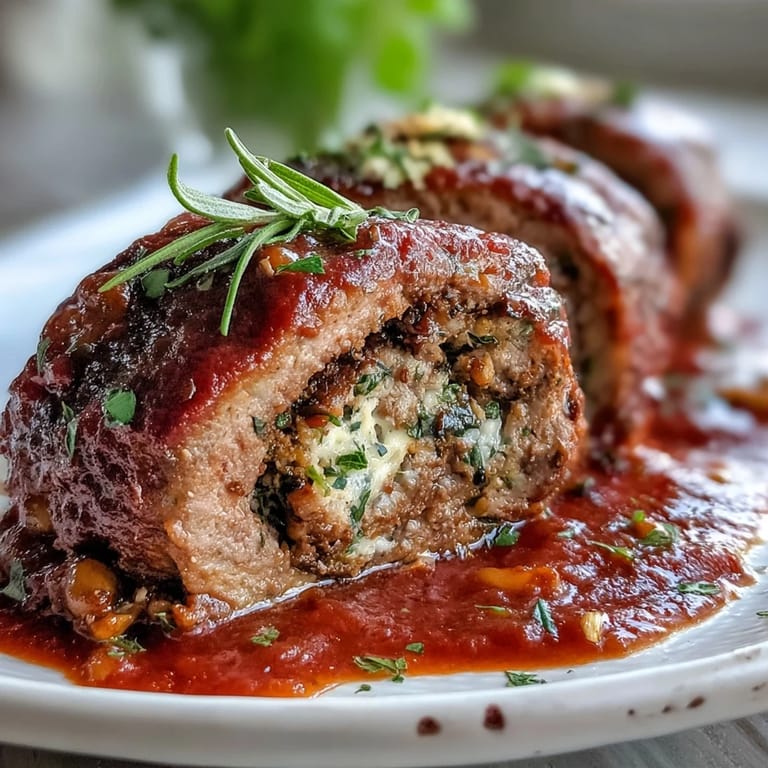
- Remove the braciole from the sauce, snip away the twine or pull out the toothpicks, and slice each roll into thick rounds. Spoon the rich tomato sauce over the top and serve immediately.
 Save to Pinterest
 The first time I served this to my family, my uncle went quiet after his first bite, then asked if I'd been taking secret lessons from his mother. I hadn't, but in that moment I felt like I'd unlocked something important, a kind of cooking that connects you backward and forward at the same time.
Choosing Your Beef
Top round works beautifully because it's lean and slices thin without falling apart, but flank steak has more flavor and a slight chew that some people prefer. I've used both and honestly, the filling and sauce do so much of the work that either cut will give you a wonderful result. Just make sure your butcher slices them thin, or ask them to run it through the slicer if you're not confident with a knife.
Making It Ahead
Braciole actually tastes better the next day after the flavors have had time to settle into each other. I often make a double batch, let it cool completely, then refrigerate it in the sauce overnight. Reheat gently on the stove, adding a splash of water or broth if the sauce has thickened too much, and you'll have a dinner that tastes like you've been cooking all day.
Serving Suggestions
This is the kind of dish that wants to be the center of the table, surrounded by something starchy to soak up all that sauce. I love it over rigatoni or penne, but creamy polenta is incredible too, especially in the colder months. A simple arugula salad with lemon and olive oil on the side cuts through the richness and makes the whole meal feel complete.
- Serve extra sauce on the side for people who want to drench their pasta or bread.
- A sprinkle of fresh basil or parsley over the top adds a pop of color and freshness.
- Leftover braciole makes an unbelievable sandwich the next day on crusty bread with a little melted provolone.
 Save to Pinterest
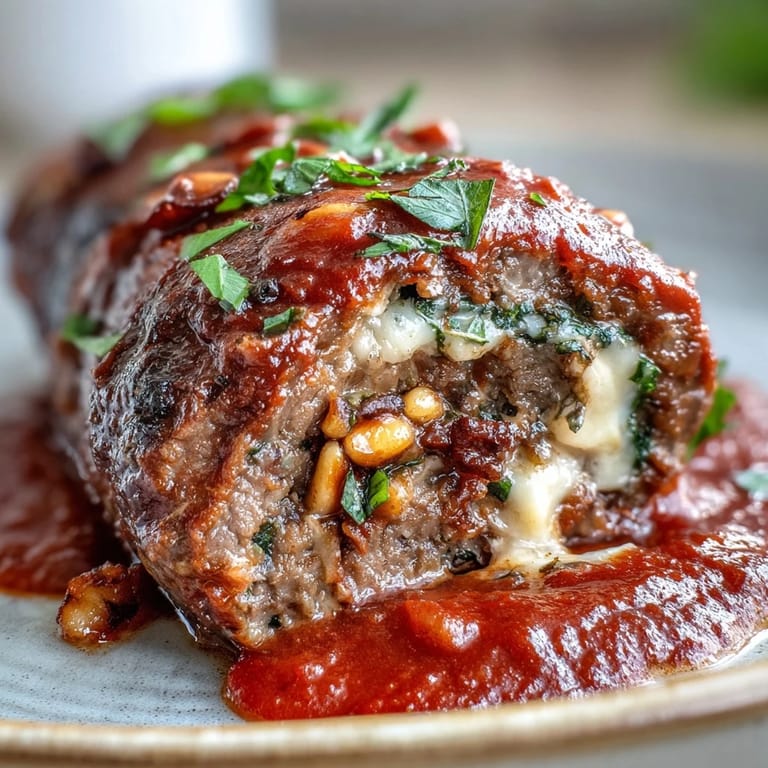
 There's something deeply satisfying about slicing into a braciole and seeing all those layers of filling tucked inside, knowing you built that with your own hands. It's the kind of cooking that makes you slow down and feel proud.
Questions & Answers
- → What cut of beef works best for braciole?
Beef top round or flank steak works best as they're lean, flavorful cuts that become tender when slow-cooked. Pound them to about 1/4-inch thickness for even rolling and cooking.
- → Can I make braciole ahead of time?
Yes, you can assemble the rolls up to 24 hours in advance and refrigerate. You can also fully cook them, then refrigerate for up to 3 days or freeze for up to 3 months. Reheat gently in the sauce.
- → What can I serve with Sicilian braciole?
Braciole pairs beautifully with pasta tossed in the cooking sauce, creamy polenta, or crusty Italian bread. A simple green salad balances the richness perfectly.
- → Can I substitute the pecorino cheese?
Yes, you can use Parmesan or Romano cheese as alternatives. Each will bring a slightly different flavor profile, but all work well with the sweet-savory filling.
- → How do I prevent the braciole from falling apart?
Secure the rolls tightly with kitchen twine or toothpicks after rolling. Don't overfill them, and leave a small border around the edges. Sear them gently to set the shape before simmering.
- → What wine pairs well with this dish?
A robust Sicilian red wine like Nero d'Avola complements the rich tomato sauce and savory filling perfectly. Alternatively, try a Primitivo or Chianti.