 Save to Pinterest
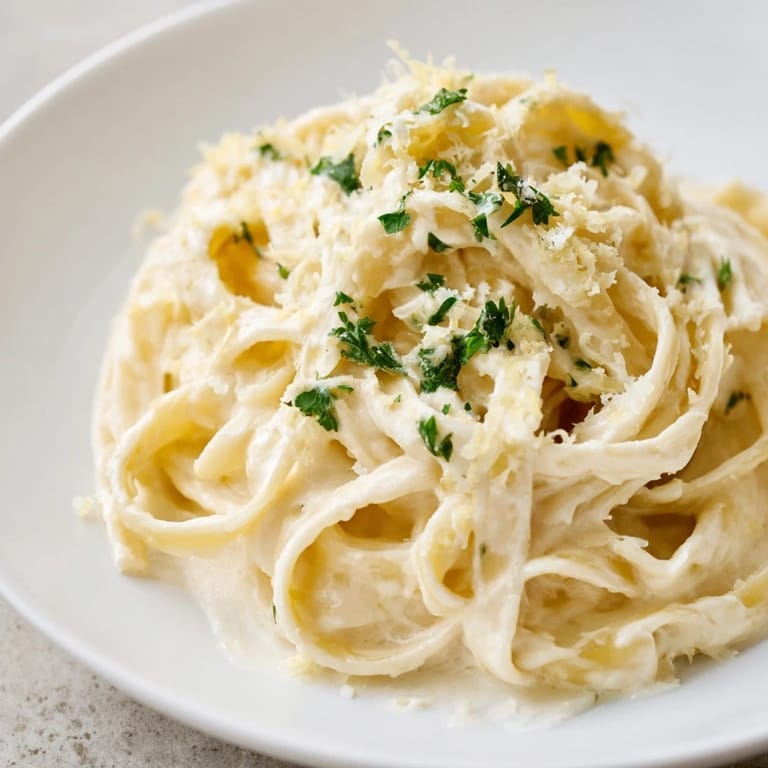
 I stumbled onto this cottage cheese Alfredo on a random Tuesday when I realized I'd forgotten to buy cream at the store. Standing in my kitchen with a block of fettuccine and a container of cottage cheese, I decided to improvise. What came out of that blender was silky, rich, and so much lighter than the traditional version that I've barely gone back since. It's one of those happy accidents that reminds you that the best dishes sometimes come from working with what you have rather than what a recipe demands.
I made this for my roommate on a rainy evening, and watching her fork through that first bite with genuine surprise that it was made with cottage cheese felt like winning a small victory. She asked for the recipe before finishing her plate, which in my kitchen is the highest compliment possible.
Ingredients
- Fettuccine or linguine (350g): The flat ribbons catch and hold onto the sauce beautifully; cook to just al dente so they have a little bite left.
- Low-fat cottage cheese (1 cup): This is the secret weapon—blended smooth, it becomes indistinguishable from cream but keeps things lighter and adds protein.
- Milk (1/2 cup): Whole or 2% works best here to give the sauce body without making it so thick it clogs on the pasta.
- Grated Parmesan (1/2 cup): Use the good stuff you grate yourself if you can; pre-grated loses flavor and doesn't melt as smoothly.
- Unsalted butter (2 tbsp): This is where the garlic gets cozy and fragrant—don't skip it or rush this step.
- Minced garlic (2 cloves): The minute it smells amazing, pull it off the heat; burned garlic will ruin everything.
- Freshly ground black pepper and salt (1/4 tsp each): Taste as you go because Parmesan is salty and you don't want to overdo it.
- Nutmeg (pinch, optional): This tiny touch wakes up the whole sauce in a way people rarely notice but always feel.
- Fresh parsley and extra Parmesan (for serving): These aren't optional if you want it to feel finished and special.
Tired of Takeout? 🥡
Get 10 meals you can make faster than delivery arrives. Seriously.
One email. No spam. Unsubscribe anytime.
Instructions
- Get Your Pasta Going:
- Fill a large pot with salted water and bring it to a rolling boil—this is the foundation, so don't skimp on salt or heat. Add the pasta and set a timer, checking a minute before the package says it's done so you catch it at that perfect al dente moment.
- Blend Your Secret Sauce:
- While the pasta cooks, combine the cottage cheese, milk, and Parmesan in a blender or food processor and let it run until absolutely smooth—no grainy bits, or the sauce won't have that silky feel. This step is worth the extra minute; it's the difference between a good sauce and an incredible one.
- Bloom Your Garlic:
- Melt the butter in your skillet over medium heat and add the minced garlic, listening for that gentle sizzle. After about 60 seconds, when the smell hits you and makes you smile, you're done—any longer and it turns bitter.
- Warm the Sauce Gently:
- Pour in that blended mixture and sprinkle in salt, pepper, and nutmeg, stirring constantly as it warms through for 2 to 3 minutes. Keep the heat medium and resist the urge to crank it up; boiling cottage cheese curdles and ruins the whole thing.
- Marry Pasta and Sauce:
- Drain your pasta (saving that cooking water like I told you) and toss it into the skillet, coating every strand in the creamy sauce. Add pasta water in small splashes if it seems too thick—this starchy water is liquid gold for thinning sauce without diluting flavor.
- Plate and Celebrate:
- Transfer to bowls or plates while everything is still hot, scatter parsley on top, and grate fresh Parmesan over the whole thing. Serve immediately because this dish is best when the steam is still rising.
 Save to Pinterest
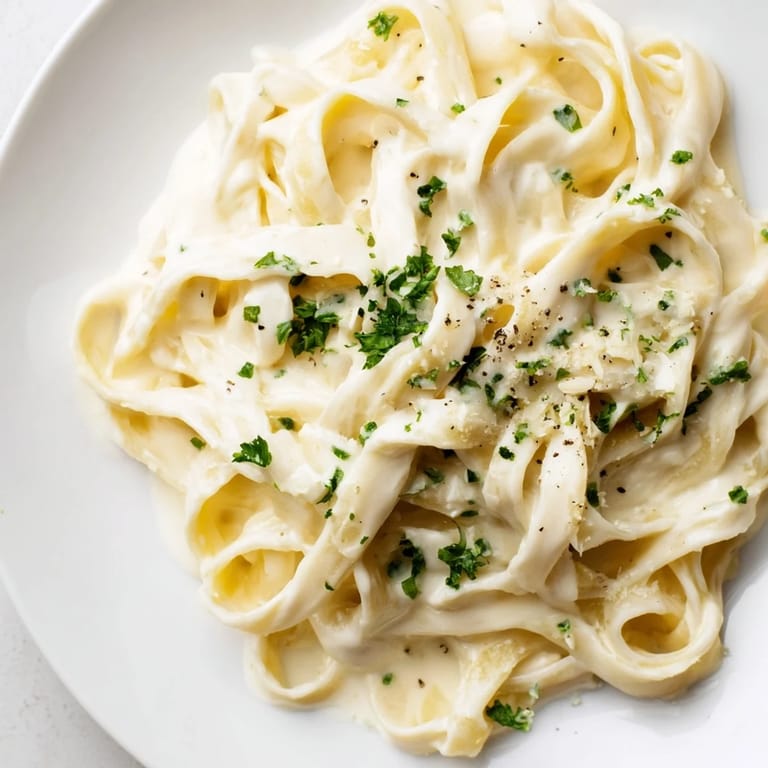
 There's something almost meditative about the moment when plain pasta transforms under a cloud of creamy sauce, and everyone at the table stops talking for a second because they're too busy enjoying it. That's when I know I've made something worth making again.
Why This Swap Works
Heavy cream gets all the attention in Alfredo, but cottage cheese brings something equally special: it's naturally high in protein and lower in fat, which means you get that luxurious mouthfeel without the heaviness that makes you want to nap afterward. The blender is the key—it transforms those tiny curds into something silky enough that no one eating it would ever guess what you used. I've served this to cream lovers, and they've honestly preferred it.
Timing and Temperature Matter
The difference between a perfect Alfredo and a broken one comes down to respecting gentle heat and patience. Every step should feel calm and purposeful, not rushed—melting the butter slowly, letting the garlic toast without browning, warming the sauce through without forcing it to boil. I learned this the hard way when I tried to speed things up and ended up with something that looked like it had flour in it.
Ways to Make It Your Own
The beauty of this recipe is how eager it is to play well with other flavors you love. A handful of sautéed mushrooms adds an earthy depth that feels incredibly indulgent, while a whisper of lemon zest wakes the whole dish up without making it taste bright or citrusy. Some nights I'll toss in tender broccoli or grilled chicken if I need more substance, and it always feels like I meant to do that from the start.
- Stir in sautéed mushrooms or fresh spinach for earthiness and volume.
- A tiny grating of lemon zest at the end adds subtle brightness without overwhelming the cream.
- If you need protein, grilled chicken or steamed broccoli mixes right in and feels like it belongs.
 Save to Pinterest
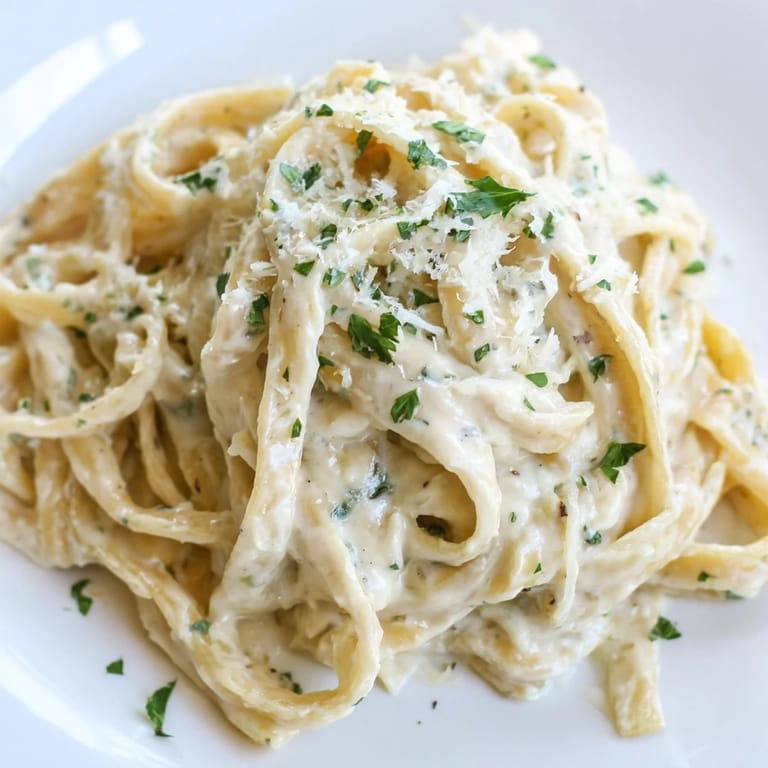
 This recipe proved to me that shortcuts and budget-friendly swaps aren't about settling—they're about discovering something better. Every time I make it, I'm grateful for that one day I forgot cream and found something even more delicious instead.
Questions & Answers
- → Can I use different types of pasta?
Yes, fettuccine or linguine work best, but you can substitute with any pasta shape you prefer.
- → How does cottage cheese affect the sauce?
Cottage cheese adds creaminess and richness without the heaviness of cream, creating a lighter sauce texture.
- → Is it possible to make this gluten-free?
Absolutely, using gluten-free pasta allows this dish to accommodate gluten sensitivities without changing flavor.
- → Can I add protein to this dish?
Yes, incorporating cooked chicken or steamed broccoli can boost protein and add more texture.
- → What is the purpose of reserved pasta water?
Adding reserved pasta water helps adjust the sauce consistency and ensures it clings smoothly to the pasta.