 Save to Pinterest
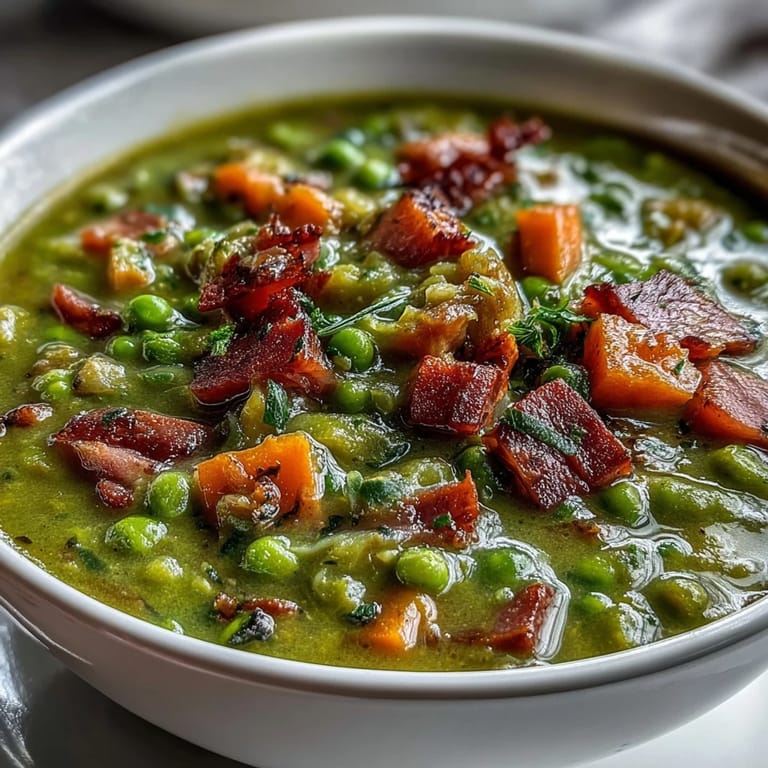
 My grandmother used to make this soup on the first cold day of fall, filling the kitchen with such a comforting aroma that my siblings would drift downstairs before dinner was even called. There's something about split pea soup that feels less like cooking and more like wrapping yourself in warmth—the kind that starts in your belly and spreads outward. This version, with its smoky ham and sweet carrots, became my go-to when I wanted to feel capable in the kitchen without breaking a sweat. It's the soup that taught me that simple ingredients, given time and attention, can become something genuinely nourishing.
I made a massive pot of this for a snowed-in dinner party once, when four extra neighbors ended up staying because the roads froze. What could have been stressful became magical—everyone crowded around the stove, commenting on the smell, while I ladled bowl after bowl. Someone's kid asked if I made it every day, which somehow felt like the highest compliment a home cook could receive.
Ingredients
- Smoked ham hock or diced cooked ham (1 lb): This is where the soul of the soup lives—the bone and fat render out slowly, seasoning everything else, so don't skip it or substitute with bacon bits.
- Dried green split peas (1 lb), rinsed and sorted: Rinsing removes any dust, and sorting out the occasional shriveled pea takes two minutes and prevents biting into something unpleasant.
- Carrots (2 medium), peeled and diced: Their natural sweetness balances the salt and smoke; I keep them fairly small so they soften at the same pace as the peas.
- Celery stalks (2), diced: Often called the unsung hero of soup bases, celery adds subtle earthiness that deepens the whole flavor profile.
- Onion (1 large), diced: This and the celery are your flavor foundation; take the five minutes to sauté them until golden, it absolutely matters.
- Garlic (2 cloves), minced: Added after the softer vegetables to prevent it from burning and turning bitter—timing is everything with garlic.
- Low-sodium chicken broth or water (8 cups): I choose broth for richer flavor, but water works beautifully if you're using a truly flavorful ham hock.
- Bay leaves (2): These steep in the soup and infuse it with subtle herbal notes; always remember to fish them out before serving.
- Dried thyme (1 tsp): It pairs naturally with peas and ham, creating that classic comfort soup profile we all crave.
- Freshly ground black pepper (1/2 tsp) and salt to taste: Fresh pepper makes a noticeable difference in soups; add salt gradually at the end since the broth and ham already contribute saltiness.
Tired of Takeout? 🥡
Get 10 meals you can make faster than delivery arrives. Seriously.
One email. No spam. Unsubscribe anytime.
Instructions
- Sauté the aromatic base:
- Heat a splash of oil in your pot over medium heat, then add onion, carrots, and celery, letting them soften for five to seven minutes until the onion turns translucent and the kitchen starts to smell like home cooking. You'll know they're ready when a wooden spoon glides through them easily and their edges catch a little color.
- Bloom the garlic:
- Add minced garlic and stir constantly for just one minute—this releases its flavor without letting it scorch and turn acrid. The second you smell that toasted garlic aroma, you're done.
- Build the soup foundation:
- Stir in the rinsed split peas, ham hock, bay leaves, thyme, and black pepper, coating everything in the fragrant oil. This moment, where all your dry ingredients meet the sautéed vegetables, feels like the actual beginning of something substantial.
- Add your liquid:
- Pour in the broth or water, stirring gently to make sure no peas stick to the bottom. The mixture will look a bit sparse right now, but trust the process.
- Bring to a rolling boil, then settle into a simmer:
- Let it bubble enthusiastically for a minute or two, then turn the heat down to low, cover the pot, and let it bubble gently for one to one and a half hours. Stir occasionally and listen—that gentle, rhythmic sound of simmering soup is oddly meditative.
- Process the ham hock and finish:
- Once the peas have completely softened and the soup has thickened, remove the ham hock, let it cool slightly, then shred any meat clinging to the bone and return it to the pot, discarding the bone and fat. Taste, adjust salt and pepper, remove the bay leaves, and you're ready to serve.
 Save to Pinterest
 There's a quiet joy in ladling this soup into bowls, watching the steam curl up, knowing that everyone at the table is about to feel genuinely taken care of. That's when I understood soup isn't really about technique—it's about intention.
Texture and Consistency Secrets
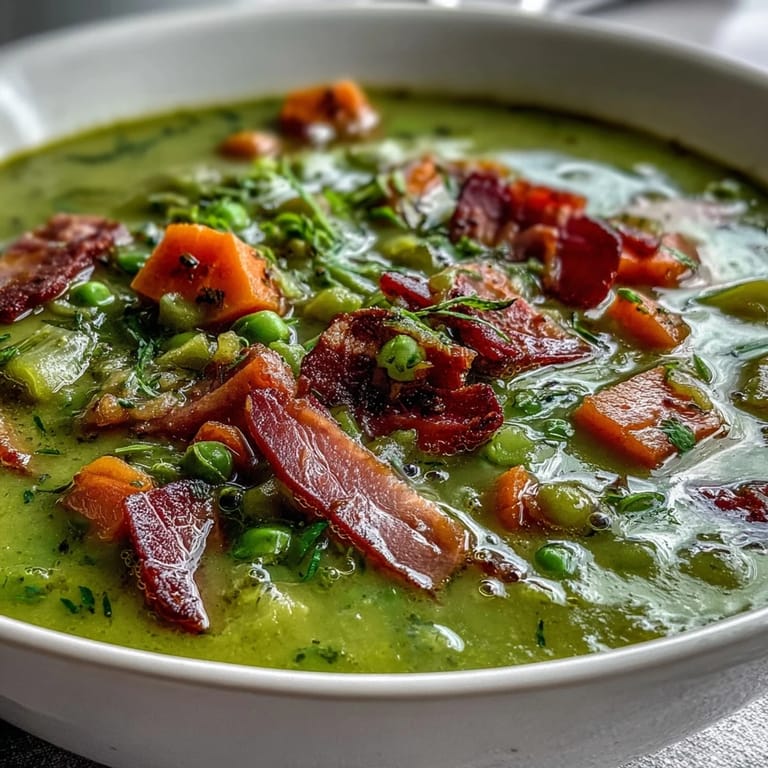
This soup naturally reaches a creamy consistency as the peas dissolve into the broth, but some people love it chunky while others want it nearly smooth. If you prefer a silkier texture, an immersion blender becomes your best friend—buzz it for just a few pulses to break down some peas while leaving others whole for subtle texture. I've found that blending about half the soup creates this lovely balance where it's rich and coating but not entirely uniform, like someone who actually cares made it.
Flavor Customization and Variations
While this recipe is perfect as written, I've learned to treat it as a starting point rather than a strict rulebook. Smoked turkey leg works beautifully for a lighter version, diced potatoes add heartiness for people who want more substance, and a handful of fresh parsley stirred in at the end brings brightness that makes the whole bowl feel alive. Even a splash of apple cider vinegar or a pinch of cayenne at the end can transform it into something entirely new while keeping that core soul intact.
Make-Ahead and Storage Wisdom
This soup actually improves after a day in the refrigerator once the flavors have had time to fully meld, making it ideal for meal prep or lazy weeknight reheating. It keeps well for up to four days in a sealed container, and freezes beautifully for up to three months if you leave a little headspace in the container for expansion. When you reheat it, remember that it will have thickened substantially, so don't be shy about adding water or broth back in until it reaches your preferred consistency.
- Cool the soup completely before refrigerating to prevent condensation and off-flavors from developing.
- Freeze it in individual portions so you can thaw and reheat exactly what you need without touching the rest.
- Label your containers with the date so you know at a glance how long they've been waiting in your freezer.
 Save to Pinterest
 Make this soup, and you'll understand why people keep coming back to it through seasons and years. It's the kind of dish that quietly becomes part of your story.
Questions & Answers
- → What type of ham works best for this dish?
Smoked ham hock or diced cooked ham provides a rich, smoky depth that enhances the overall flavor.
- → Can I use fresh peas instead of dried split peas?
Dried split peas are preferred for their creamy texture once cooked; fresh peas may not yield the same consistency.
- → How can I achieve a smoother texture?
Using an immersion blender to partially puree the soup creates a creamier consistency without losing heartiness.
- → What herbs complement this dish?
Bay leaves and dried thyme infuse the soup with subtle earthiness and aromatic warmth.
- → Are there good substitutions for the ham?
Smoked turkey leg can be used as a lighter alternative while retaining a smoky flavor.
- → What can I serve alongside this dish?
Crusty bread or crackers are ideal for dipping and add a pleasing texture contrast.