 Save to Pinterest
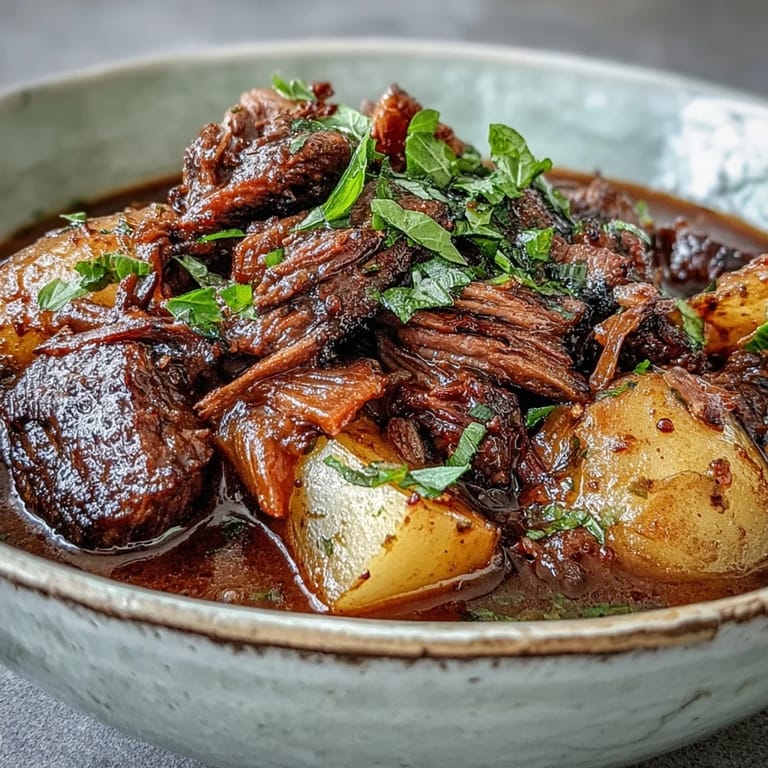
 There's something about the smell of beef browning in a hot skillet that makes a chilly Sunday feel instantly purposeful. Years ago, my neighbor stopped by in the middle of October with a bag of root vegetables from her garden, and I realized I had no idea what to do with parsnips beyond vague memories of my grandmother's kitchen. That slow cooker stew became my answer—eight hours of minimal effort that filled the house with warmth and turned those strange vegetables into something I now crave when the weather turns.
I made this for my coworker Marcus when he was going through a rough patch, and he texted me the next day asking for the recipe—then called back an hour later admitting he'd already made a batch himself. Watching someone find comfort in a meal you shared is its own kind of magic.
Ingredients
- Beef chuck (2 lbs, cut into 1.5-inch cubes): This cut has just enough marbling to stay juicy during the long cook, and it breaks down into silky tenderness—cheap and forgiving.
- Kosher salt and black pepper (1/2 tsp each): Season the beef before searing so it browns properly instead of steaming; this matters more than you'd think.
- Carrots (3 large, cut into 1-inch pieces): They stay slightly firm after eight hours and add natural sweetness that balances the savory broth.
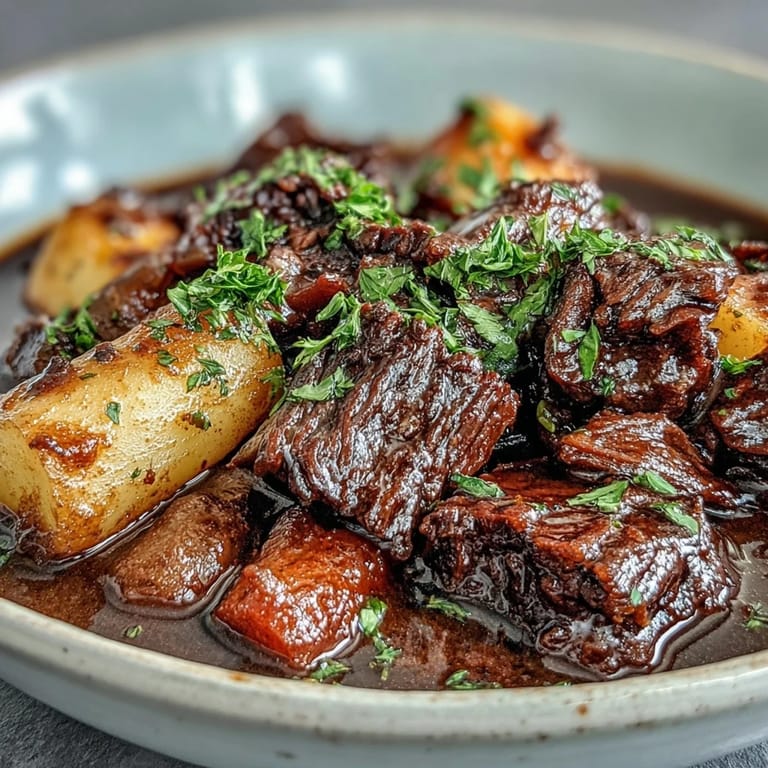
- Parsnips (2, peeled and sliced): They're earthier and slightly sweeter than carrots, and they soften into creamy pieces that thicken the broth naturally.
- Yukon Gold potatoes (2 large, chopped into chunks): These hold their shape better than russets and have a buttery texture that makes the stew feel luxurious.
- Yellow onion (1 large, diced): It disappears into the broth and forms the foundation of flavor—don't skip dicing it small enough.
- Celery stalks (3, sliced): This adds a subtle depth that people taste but never identify; it's the secret nobody mentions.
- Garlic (3 cloves, minced): Fresh garlic stirred in raw adds brightness that survives the long cooking time.
- Tomato paste (2 tbsp): A small amount adds umami and body without making the stew taste tomatoey; paste concentrates flavor better than sauce.
- Worcestershire sauce (1 tbsp): This is pure umami in a bottle—verify it's gluten-free if that matters to you.
- Bay leaf and dried herbs (1 bay, 1 tsp thyme, 1 tsp rosemary): These three work together to create that cozy, almost medicinal aroma that signals comfort food.
- Beef broth (4 cups): Use homemade or quality store-bought; the broth becomes the stew's foundation, so it can't be thin or salty.
- Dry red wine (1 cup, or substitute broth): The alcohol cooks off, leaving behind complexity and depth that makes the stew taste like you spent all day on it.
- Cornstarch slurry (2 tbsp cornstarch mixed with 2 tbsp cold water): This thickens the stew in the final fifteen minutes without making it taste floury.
Tired of Takeout? 🥡
Get 10 meals you can make faster than delivery arrives. Seriously.
One email. No spam. Unsubscribe anytime.
Instructions
- Season and sear the beef:
- Toss the beef cubes with salt and pepper until every piece is coated, then work in batches—overcrowding the skillet steams the meat instead of browning it. You want a deep golden crust that creates flavor, so give each batch about three minutes per side on medium-high heat and listen for that satisfying sizzle.
- Build the base in your slow cooker:
- Transfer the browned beef to your slow cooker, then add the carrots, parsnips, potatoes, onion, and celery in one go. Stir in the garlic, tomato paste, Worcestershire sauce, bay leaf, and herbs until everything is coated and fragrant.
- Add the liquid and let time do the work:
- Pour the beef broth and red wine over everything, give it one gentle stir, cover, and set to low for eight hours. The slow heat breaks down the collagen in the beef and softens every vegetable into submission—this is the whole reason you're using a slow cooker.
- Finish with the slurry:
- After eight hours, mix the cornstarch and cold water in a small bowl until you have a smooth paste, then stir it into the stew. Switch the slow cooker to high, leave the lid off, and cook for fifteen minutes until the broth thickens enough to coat the back of a spoon.
- Season and serve:
- Fish out the bay leaf, taste the stew, and adjust salt and pepper if needed—remember that the broth has concentrated as it simmered, so go easy. Ladle into bowls and serve with crusty bread for soaking up every last drop.
 Save to Pinterest
 My sister made this once and called me in a panic because the stew looked watery after four hours, convinced she'd ruined it—I had to remind her that slow cookers aren't done until they're done, and trusting the time is half the battle. The next morning, she admitted the stew was perfect and that she'd spent the evening stress-cooking extra batches.
Why This Stew Feels Different
Most stews taste like they're trying to be something fancy, but this one is unapologetically simple—it succeeds because of technique and patience, not because of weird ingredients or techniques that sound impressive. The eight-hour cook time is your friend, not your burden; it means you can throw this together in the morning and forget about it while life happens around you.
Customizing Without Losing the Soul
I've added mushrooms, frozen peas, and even switched half the Yukon Gold potatoes for sweet potatoes, and the stew gracefully absorbed every change. The core of beef, broth, and time is strong enough to handle variations, so don't feel locked into this exact recipe—think of it as a map rather than a cage.
Serving and Storage Wisdom
This stew tastes even better the next day when the flavors have melded further, so make it the day before a gathering if you want less stress. Leftovers freeze beautifully in individual containers, and thawing overnight in the fridge followed by gentle reheating over low heat keeps the beef tender and the broth silky.
- Serve with crusty bread, crackers, or over mashed potatoes for something more substantial than a bowl.
- If you make it ahead, cool it completely before refrigerating or freezing to prevent condensation that can make the stew watery.
- Reheat gently on low heat rather than microwaving, which can make the beef tough and the vegetables mushy.
 Save to Pinterest
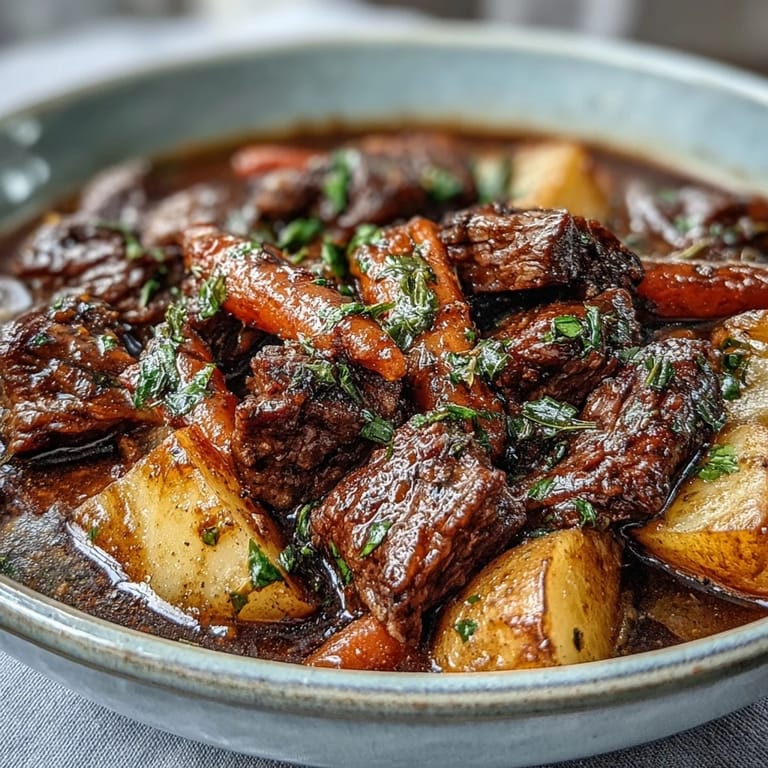
 This stew has become my answer to almost every reason to cook—bad days, good days, gatherings, and quiet Sundays when I want the house to smell like something warm and lived-in. Make it once and you'll understand why people keep coming back for seconds.
Questions & Answers
- → What cut of beef works best?
Beef chuck cut into cubes is ideal for slow cooking, as it becomes tender and flavorful over time.
- → Can I cook this stew without wine?
Yes, simply replace the wine with additional beef broth for an alcohol-free option that still tastes rich.
- → How do I thicken the stew broth?
A mixture of cornstarch and cold water is stirred in near the end of cooking to gently thicken the stew.
- → What vegetables are included?
Carrots, parsnips, Yukon Gold potatoes, onions, and celery provide a sweet and earthy balance to the savory beef.
- → Can I add other vegetables?
Adding mushrooms or frozen peas in the last hour of cooking boosts flavor and adds variety.