 Save to Pinterest
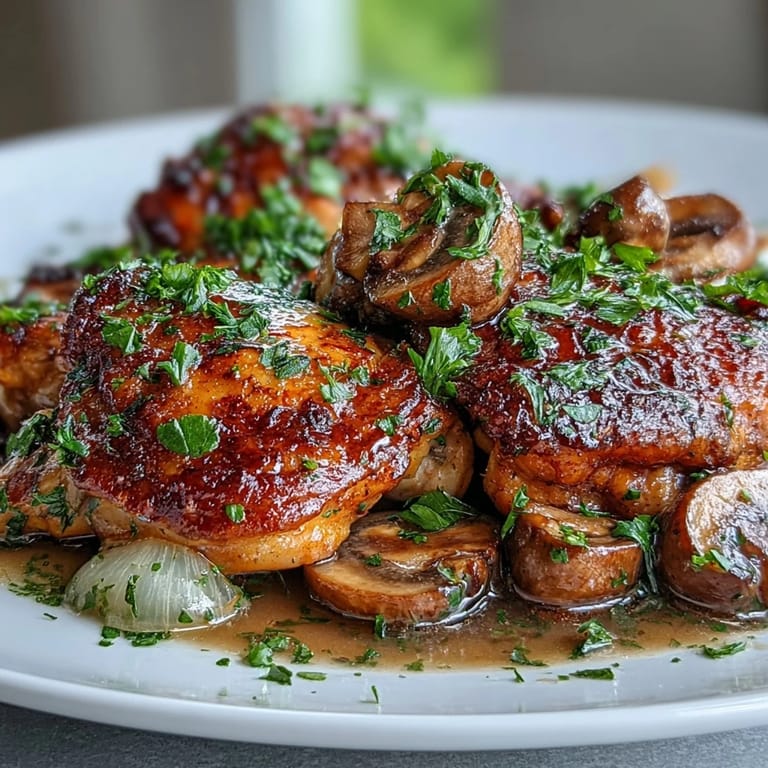
 My neighbor brought a bottle of rosé to a potluck, and we had no idea what to do with the leftovers until someone joked about making coq au vin. I laughed at first, but the idea stuck. The next evening, I pulled out my Dutch oven and gave it a try, swapping the traditional red wine for that light, blush-toned rosé. The kitchen smelled floral and bright instead of heavy and earthy. It was nothing like I expected, and I've been making it this way ever since.
I made this for a small dinner party once, and my friend who claims to hate chicken asked for seconds. She said it was the mushrooms and cream that won her over, but I think it was the way the rosé softened everything without turning it sweet. We ended up sitting at the table long after the plates were empty, just soaking bread in the leftover sauce. That night taught me that sometimes the best meals aren't about following tradition, they're about following your instincts.
Ingredients
- Bone-in, skin-on chicken pieces: Thighs and drumsticks stay juicy and hold up beautifully to the long braise, and the skin crisps just enough when you brown them first.
- Dry rosé wine: Choose something you'd actually drink, nothing too sweet or it'll throw off the balance of the sauce.
- Olive oil: A good glug helps the chicken brown without sticking and adds a silky base to the vegetables.
- Onion, garlic, carrots, and leek: These aromatics build the foundation and sweeten as they cook down into the wine.
- Cremini or button mushrooms: Quartered mushrooms soak up the rosé and release their earthy flavor into every spoonful.
- Tomato paste: Just a couple tablespoons deepen the color and add a subtle tang that balances the cream.
- All-purpose flour: Optional, but it helps thicken the sauce if you like it a little more velvety.
- Heavy cream: This is what turns the braise into something luxurious, coating the chicken in a glossy, dreamy sauce.
- Bay leaf, thyme, and rosemary: Fresh herbs are key here, they perfume the whole pot and make your kitchen smell like a French bistro.
- Salt and black pepper: Season generously at every stage so the flavors build instead of falling flat at the end.
- Fresh parsley: A bright, grassy finish that cuts through the richness and makes the plate look alive.
Tired of Takeout? 🥡
Get 10 meals you can make faster than delivery arrives. Seriously.
One email. No spam. Unsubscribe anytime.
Instructions
- Prep the chicken:
- Pat each piece dry with paper towels and season both sides with salt and pepper. Dry skin browns better and creates those crispy, flavorful bits you'll want later.
- Brown the chicken:
- Heat olive oil in a large Dutch oven over medium-high heat and brown the chicken in batches, about 5 minutes per batch, turning to get all sides golden. Transfer to a plate and don't worry about cooking it through yet.
- Cook the vegetables:
- In the same pot, add onions, carrots, and leek, scraping up any stuck bits from the chicken. Sauté for 4 to 5 minutes until softened, then add mushrooms and cook another 3 minutes until they start to release moisture.
- Add garlic and tomato paste:
- Stir in garlic and cook for 1 minute until fragrant, then add tomato paste and cook for another minute, stirring constantly. This step deepens the color and adds a slight caramelized sweetness.
- Thicken and deglaze:
- If using flour, sprinkle it over the vegetables and stir to coat everything evenly. Pour in the rosé wine and scrape up all the browned bits from the bottom of the pot.
- Braise the chicken:
- Return the chicken to the pot along with any juices from the plate, then tuck in the bay leaf, thyme, and rosemary. Bring to a simmer, cover, and cook gently over low heat for 45 minutes until the chicken is fall-off-the-bone tender.
- Finish with cream:
- Remove the herbs and stir in the heavy cream, then simmer uncovered for 5 to 10 minutes until the sauce thickens slightly and turns glossy. Taste and adjust seasoning with more salt and pepper if needed.
- Garnish and serve:
- Spoon the chicken and sauce onto plates and sprinkle with fresh parsley. Serve immediately while everything is hot and fragrant.
 Save to Pinterest
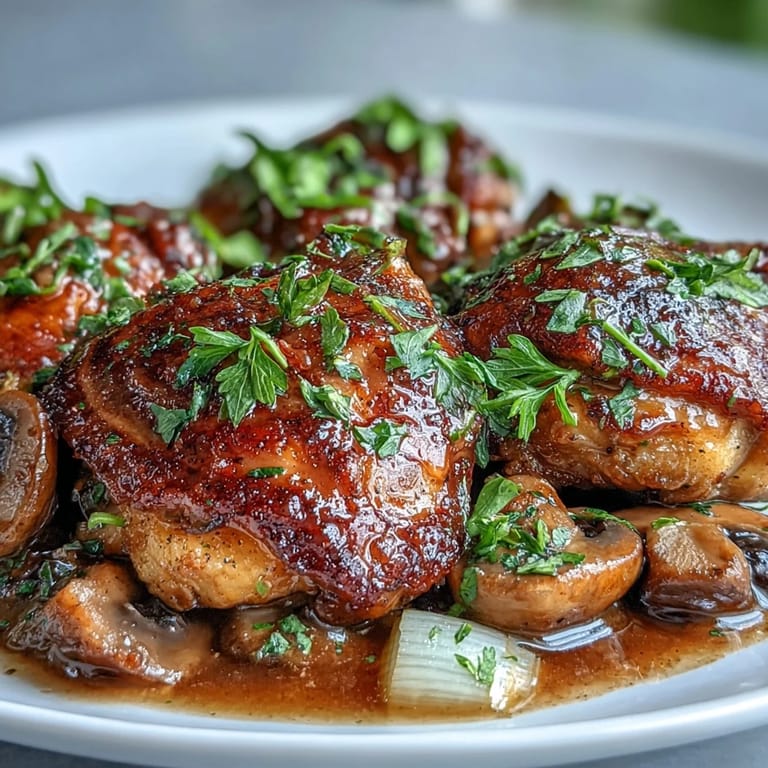
 One rainy Sunday, I served this with a pile of buttered potatoes and a simple green salad, and my partner said it tasted like the kind of meal you'd linger over in a countryside inn. We didn't say much after that, just ate slowly and listened to the rain tap against the windows. It's funny how a dish can turn an ordinary afternoon into something you remember for years.
What to Serve Alongside
This dish begs for something to soak up the sauce, so I usually go with buttered boiled potatoes, crusty bread, or even a pile of fluffy rice. A crisp green salad with a sharp vinaigrette cuts through the richness and keeps the meal from feeling too heavy. If you're feeling indulgent, roasted root vegetables or creamy polenta also work beautifully.
Storage and Reheating
Leftovers keep in an airtight container in the fridge for up to three days, and the flavors actually deepen overnight. Reheat gently on the stovetop over low heat, adding a splash of chicken stock or water if the sauce has thickened too much. I don't recommend freezing this because the cream can separate, but if you plan to freeze it, add the cream only after reheating.
Ways to Make It Your Own
If you want more depth, add a splash of cognac or brandy after browning the chicken and let it sizzle before adding the wine. You can swap half the rosé for chicken stock if you want a milder wine flavor, or use crème fraîche instead of heavy cream for a tangier finish. Pearl onions and bacon lardons are traditional additions that make it feel even more classic, but I love it just as much without them.
- Try adding a teaspoon of Dijon mustard to the sauce for a subtle sharpness.
- Use skin-on chicken breasts if you prefer white meat, but reduce the braising time to 30 minutes.
- Finish with a squeeze of lemon juice to brighten everything up just before serving.
 Save to Pinterest
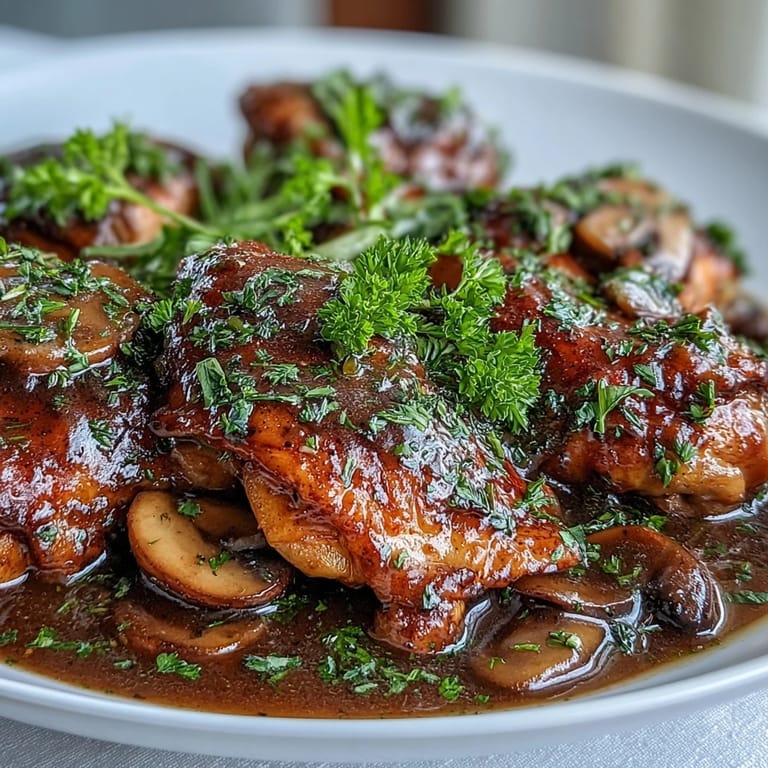
 This is the kind of recipe that makes you feel like a better cook than you are, and it never fails to impress without stressing you out. Serve it with good bread, pour another glass of rosé, and enjoy every bite.
Questions & Answers
- → Can I use chicken breasts instead of thighs and drumsticks?
While you can use chicken breasts, thighs and drumsticks are recommended because they remain tender and juicy during the long braising process. Breasts may become dry if overcooked.
- → What type of rosé wine works best for this dish?
Choose a dry rosé wine with good acidity and body. Avoid sweet or overly fruity rosés. A Provence-style or Spanish rosado works beautifully for braising.
- → Can I prepare this dish ahead of time?
Yes, this dish actually improves when made ahead. Prepare it up to 2 days in advance, refrigerate, and gently reheat before serving. The flavors will deepen beautifully.
- → How can I make the sauce thicker?
For a thicker sauce, use the optional flour when coating the vegetables, or simmer uncovered longer to reduce the liquid. You can also make a slurry with cornstarch and water.
- → What side dishes pair well with Coq au Vin Rosé?
Buttered boiled potatoes, creamy mashed potatoes, egg noodles, or crusty French bread are excellent choices. Steamed green beans or roasted root vegetables also complement the dish nicely.
- → Can I substitute the heavy cream with a lighter option?
Yes, you can use half-and-half, crème fraîche, or even full-fat Greek yogurt added at the end of cooking. Keep in mind this will create a lighter but less rich sauce.