 Save to Pinterest
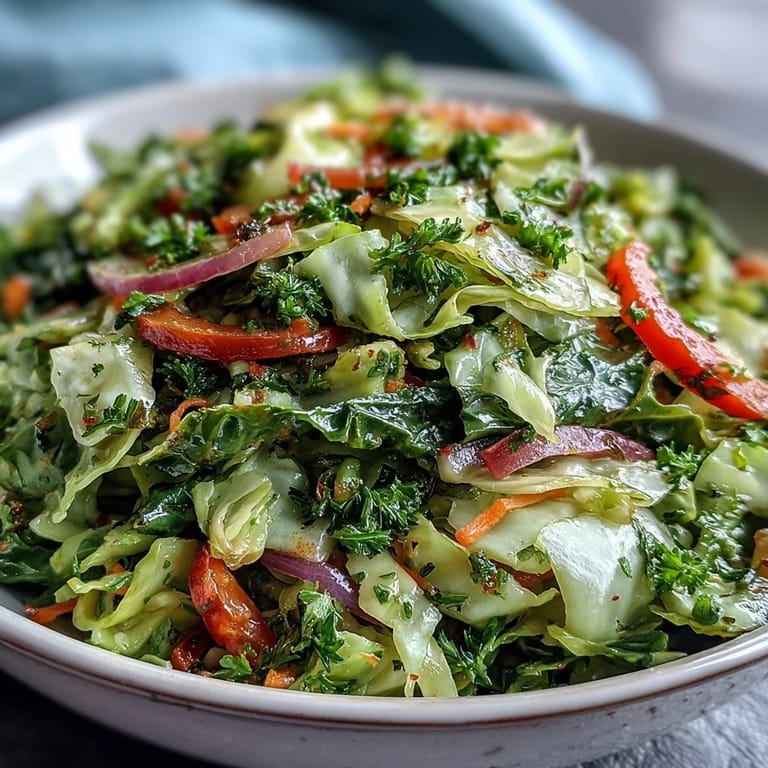
 There's something about the smell of cabbage hitting a hot skillet that makes me pause and actually pay attention in the kitchen. A friend brought this warm cabbage salad to a potluck last spring, and I watched people go back for seconds—people who claim they don't even like cabbage. What struck me wasn't just how good it tasted, but how the warm, slightly caramelized leaves against the crisp raw vegetables created this unexpected balance that felt both comforting and alive.
I made this for my partner on a Tuesday evening when we were both tired and the fridge felt bare except for half a cabbage and some vegetables hiding in the crisper drawer. Instead of ordering takeout, we chopped together while listening to music, and by the time we sat down, something shifted—the simple act of eating something fresh and warm that we'd just made felt like actual self-care. That salad became the dinner we ordered a dozen times after.
Ingredients
- Medium green cabbage (about 900 g), cored and thinly sliced: The heart of this dish—buy one with tight, unblemished leaves and don't skip the slicing step; thickness matters here because it determines how quickly the cabbage wilts.
- Large carrot, peeled and julienned: This adds sweetness and a bright pop of color that cuts through the earthiness; julienne it thin so it stays crisp against the warm cabbage.
- Small red onion, thinly sliced: Raw red onion brings a sharp bite that mellows just slightly in the warm salad without disappearing completely.
- Red bell pepper, thinly sliced: Choose one that feels heavy and waxy; it contributes both crunch and a subtle sweetness that balances the vinegar in the dressing.
- Fresh parsley, chopped: Don't use dried here—the fresh herb adds a grassy, herbaceous note that feels essential to the whole thing.
- Extra-virgin olive oil: Use one you actually enjoy tasting; this isn't the recipe to use the cooking bottle on, as the oil matters in the dressing.
- Apple cider vinegar: The acidity is crucial, so don't substitute with white vinegar—apple cider has a rounder, warmer flavor that suits this salad.
- Dijon mustard: This emulsifies the dressing and adds a subtle complexity that prevents it from tasting too sharp or flat.
- Honey or maple syrup: Just a touch rounds out the dressing and prevents it from being aggressively acidic.
- Sea salt and freshly ground black pepper: Taste as you go; freshly cracked pepper makes an actual difference here.
- Toasted walnuts or sunflower seeds (optional): Toast them yourself if you can; the warmth brings out their oils and they add a satisfying nutty crunch.
- Feta cheese, crumbled (optional): The tanginess echoes the dressing and adds a salty note that deepens the overall flavor.
Tired of Takeout? 🥡
Get 10 meals you can make faster than delivery arrives. Seriously.
One email. No spam. Unsubscribe anytime.
Instructions
- Heat your skillet and ready the cabbage:
- Pour a tablespoon of olive oil into a large skillet and let it shimmer over medium-high heat. Add your thinly sliced cabbage and let it sit for a moment before you start stirring—this helps it develop a light golden edge that adds flavor depth.
- Sauté until just tender:
- Stir frequently for about 4 to 5 minutes; you want the cabbage to soften and become translucent around the edges while still maintaining its shape and a whisper of crunch. The key is stopping before it becomes mushy—listen for the gentle sizzle and watch for the color to brighten slightly.
- Transfer to your mixing bowl:
- Move the warm cabbage to a large bowl and let it cool just slightly while you prep the other vegetables.
- Add the fresh vegetables and herbs:
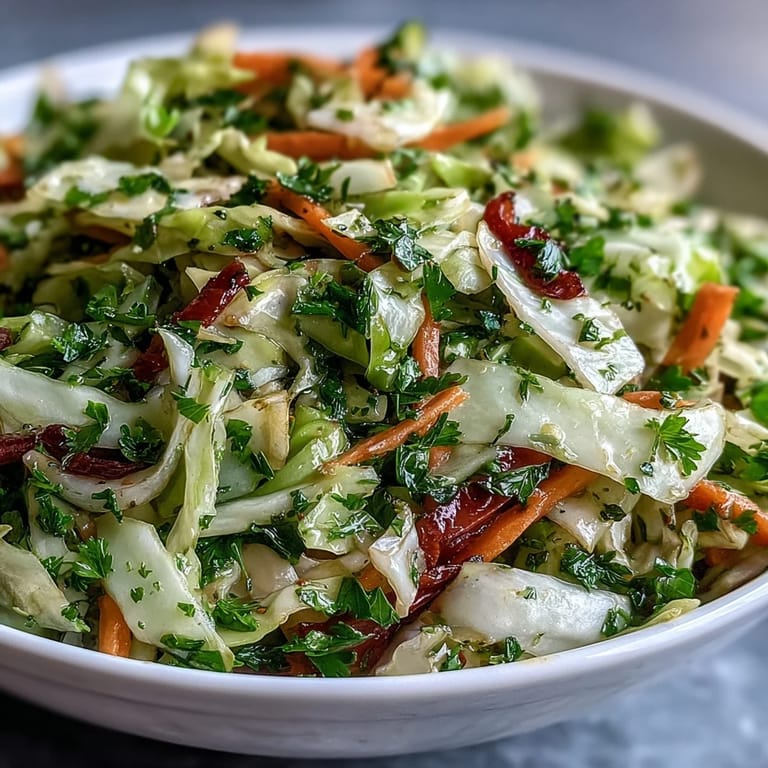
- Toss in the julienned carrot, sliced red onion, bell pepper, and chopped parsley while the cabbage is still warm—the heat will gently soften the raw vegetables just enough to make them more forgiving to eat.
- Make the dressing in a separate bowl:
- Whisk together the remaining olive oil, apple cider vinegar, Dijon mustard, honey, salt, and pepper until the mixture looks slightly creamy and emulsified. Taste it before you pour it over the salad; it should feel tangy but not aggressive.
- Combine and let it rest:
- Pour the dressing over the warm vegetables and toss everything together with intention, making sure every strand of cabbage gets coated. Let it sit for 5 minutes—this resting period allows the flavors to meld and helps the raw vegetables soften slightly from the warmth.
- Finish and serve:
- Top with toasted nuts or seeds and crumbled feta if you're using them, then serve while it's still warm or let it come to room temperature. Either way, the salad tastes genuinely good and tastes good for a reason.
 Save to Pinterest
 My mother tasted this once and asked for the recipe, which surprised me because she's usually skeptical about vegetables-forward dishes. She said it reminded her of something her grandmother used to make, except warmer and less heavy—a compliment that lingered with me. Food has a way of creating these unexpected bridges to memory.
Why Warm Cabbage Works
Cooking cabbage changes its personality entirely. Raw, it's sturdy and almost challenging to chew; but when you heat it gently in oil, the cell walls relax and something sweeter emerges—a subtle nuttiness that plays beautifully against the sharp vinegar and mustard in the dressing. The warmth also opens up the flavors of the other vegetables, making them taste more like themselves, if that makes sense.
Storage and Make-Ahead Wisdom
This salad is one of those rare dishes that tastes good immediately but doesn't need to sit for hours to come together. You can slice your vegetables in the morning, keep them separate in containers, and then assemble everything about an hour before you want to eat it. The dressing actually benefits from sitting in the fridge for a bit, so if you make it the night before and just keep it separate until serving, you'll end up with a more cohesive, developed flavor.
Serving Suggestions and Variations
I've served this alongside grilled chicken breasts and it elevated an ordinary Tuesday dinner into something that felt intentional. It also works beautifully as part of a vegetable-forward spread, next to roasted vegetables or grain bowls. For extra complexity, I sometimes add thin slices of apple or shredded radish—anything that brings a crisp, fresh element feels welcome here.
- Try adding thinly sliced radishes or shredded apple for extra crunch and a touch of sweetness.
- Pair it with grilled chicken, roasted salmon, or serve it as part of a vegetable board for maximum flexibility.
- For a vegan version, simply use maple syrup instead of honey and skip the feta—the salad stands on its own just fine.
 Save to Pinterest
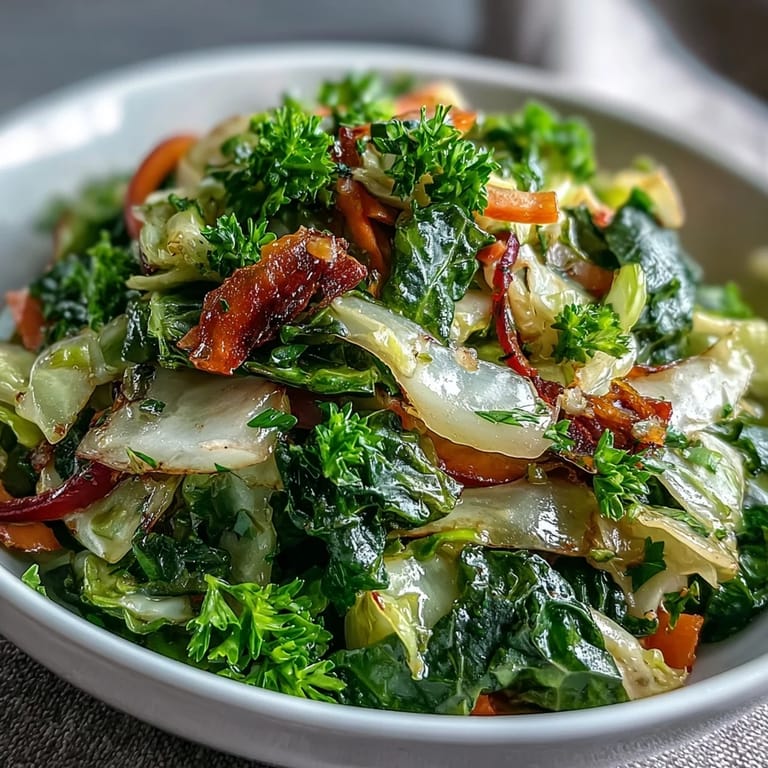
 This salad has become my answer to the question of what to bring when someone asks you to contribute dinner. It travels well, tastes good warm or at room temperature, and somehow makes people feel like you care—even though it's genuinely easy.
Questions & Answers
- → Can I serve this salad cold?
Yes, while designed to be served warm or at room temperature, you can refrigerate it for up to 2 days. Bring to room temperature before serving for the best texture and flavor.
- → What makes this dish special?
The combination of warm, tender cabbage with crisp raw vegetables creates wonderful texture contrast. The tangy, slightly sweet dressing ties everything together beautifully.
- → How do I make it vegan?
Simply substitute maple syrup for honey and omit the feta cheese topping. The dish remains delicious and satisfying with just toasted nuts or seeds.
- → What proteins pair well with this?
Grilled chicken, roasted salmon, or chickpeas work wonderfully. The light, fresh flavors complement rather than compete with the protein.
- → Can I use other vegetables?
Absolutely. Try adding thinly sliced radishes, shredded apple, or kale stems for extra crunch and variety.
- → Why is cabbage considered special?
Cabbage is incredibly versatile, nutritious, and affordable. When lightly sautéed, it becomes sweet and tender while retaining satisfying texture.