 Save to Pinterest
 My neighbor Sarah handed me a jar of dandelion petals one April morning, still dusted with dew, and said, "Make something spring with these." I stood in my kitchen holding those cheerful yellow flowers, uncertain but charmed, and decided to bake. Something about their delicate bitterness against honey felt like capturing the season itself—a little wild, a little refined, entirely unexpected.
The first batch I made was for my sister's birthday brunch, and I remember her face when she bit into one—that split-second pause before a genuine smile. She said it tasted like the feeling of sitting outside without a jacket for the first time that year. That reaction became the whole reason I keep making them.
Ingredients
- All-purpose flour (2 cups): This is your foundation, so use one you trust; I've found that King Arthur works beautifully because it creates lift without being too delicate.
- Granulated sugar (1/4 cup): Just enough to balance the floral notes without sweetening them into submission.
- Baking powder (1 tbsp): The magic that makes these scones tender and puffy rather than dense—don't skip it or halve it.
- Fine sea salt (1/2 tsp): This whispers in the background, making everything taste more like itself.
- Unsalted butter, cold and cubed (1/2 cup): Cold butter is absolutely essential; warm butter will make your scones tough, so take it straight from the fridge.
- Whole milk, cold (2/3 cup): The cold liquid keeps the butter from melting into the dough too early, which is how you get those beautiful layers.
- Dandelion petals, fresh (2 tbsp mixed in, plus 2 tbsp for garnish): Hunt for fully opened flowers that are bright yellow; the green base is genuinely bitter and will make people wince.
- Honey (2 tbsp mixed in, plus 1 tbsp for drizzling): A mild floral honey makes more sense here than something dark and aggressive.
- Large egg (1): This gives richness and helps bind everything together without making the dough heavy.
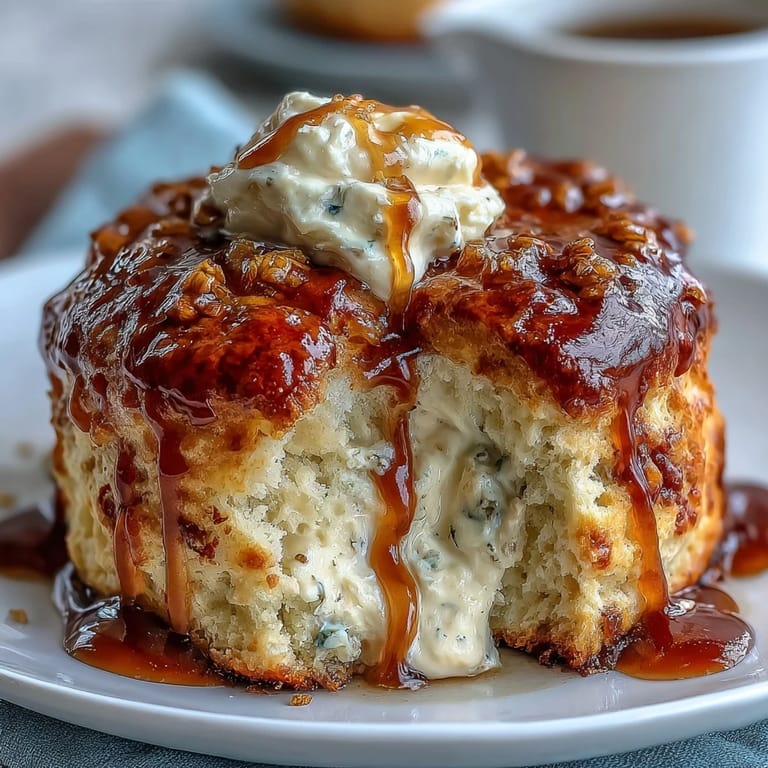
- Clotted cream, for serving: Non-negotiable for the proper experience, though mascarpone or good whipped cream will work in a pinch.
Tired of Takeout? 🥡
Get 10 meals you can make faster than delivery arrives. Seriously.
One email. No spam. Unsubscribe anytime.
Instructions
- Set your stage:
- Heat your oven to 400°F and line a baking sheet with parchment paper. This small prep step means you won't be scrambling while your dough sits waiting.
- Build the dry base:
- Whisk flour, sugar, baking powder, and salt together in a large bowl, making sure there are no clumps hiding at the bottom. You want everything evenly distributed so each scone tastes consistent.
- Work in the butter:
- Cut your cold butter into the flour mixture using a pastry cutter, two knives, or your fingertips—whatever feels natural to you. You're aiming for something that looks like coarse sand or breadcrumbs; if it starts looking like paste, your butter is warming up and you need to work faster or chill your hands.
- Combine the wet elements:
- Whisk together cold milk, honey, egg, and the 2 tablespoons of dandelion petals in a small bowl until the petals are loosely dispersed. Don't overwork this; you just want them floating throughout, not pulverized.
- Bring it together gently:
- Pour the wet mixture into the dry ingredients and stir with a fork until just combined—and I mean just. Overmixing is the enemy of tender scones; lumps and slight streaks of dry flour are your friends here.
- Shape with a light touch:
- Turn the dough onto a lightly floured surface and gently pat it into a 1-inch-thick round, as if you're tucking it in rather than pressing it down. Cut it into 8 wedges like a pizza and transfer them to your prepared baking sheet.
- Bake until golden:
- Pop them into the oven for 16 to 18 minutes, until they're puffed and the tops are deep golden. You'll know they're done when the kitchen smells like honey and spring.
- Finish with flourish:
- While they're still warm, drizzle with that final tablespoon of honey and sprinkle the remaining dandelion petals over the top. This isn't just decoration—it's a promise of what's inside.
 Save to Pinterest
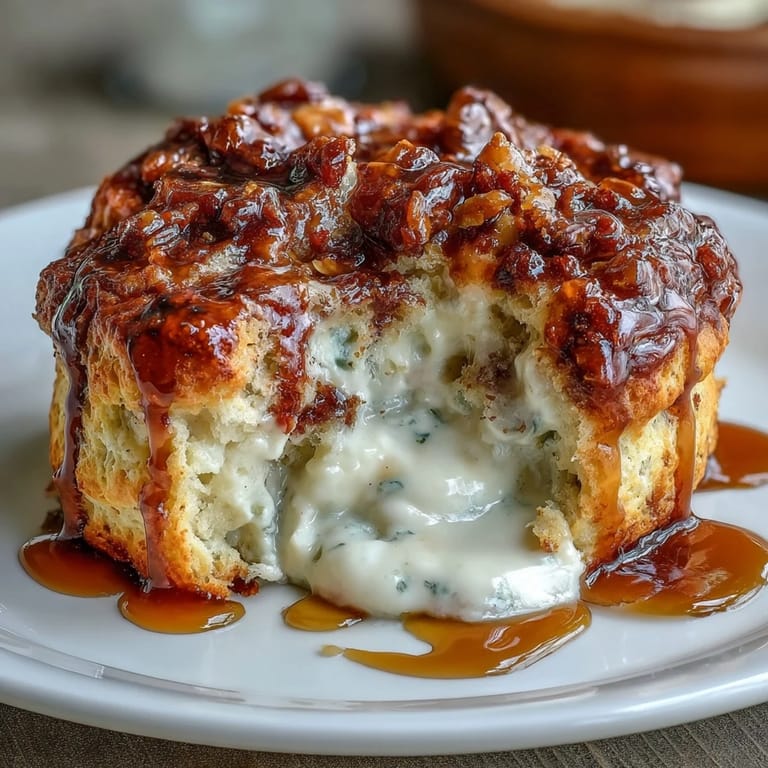
 These scones transformed what I thought brunch could be. They're not trying to be elegant in that intimidating way; they're just genuinely lovely, and somehow that feels more welcoming.
The Dandelion Discovery
I spent years thinking dandelions were weeds to be removed, until I actually tasted one and realized I'd been dismissing an entire flavor that was growing in my lawn. The bitterness is gentle, almost grassy, and when you pair it with honey it becomes this complex, almost tea-like undertone. It's the kind of ingredient that makes you understand why people forage.
Timing and Temperature Matter
I learned the hard way that cold ingredients are non-negotiable for scones. One morning I grabbed butter from the counter and milk from the warm side of the fridge, thinking it wouldn't matter. The scones came out dense and flat, and I understood immediately why bakers are so particular about this. Cold butter creates steam pockets as it melts during baking, and that's what gives you the lift.
Beyond the Basic Recipe
Once you've made these a few times and fallen into the rhythm, you'll start imagining variations. I've added a whisper of lavender alongside the dandelion, or switched the honey to wildflower. The framework is sturdy enough to play with, as long as you respect the cold butter and the gentle hand.
- Make these the night before and warm them briefly in the oven if you're hosting brunch and want one less thing to think about in the morning.
- If fresh dandelion petals aren't available, they're not worth replacing with dried; just make regular honey scones and save the dandelion version for another season.
- Serve them within a few hours of baking, when they're still tender; they firm up as they cool and never quite recapture that just-baked magic.
 Save to Pinterest
 These scones are proof that the best recipes often come from someone handing you an ingredient and asking what you'll do with it. Make them, watch people's faces, and you'll understand why I keep baking them every spring.
Questions & Answers
- → Can I use dried dandelion petals instead of fresh?
Fresh dandelion petals provide the best floral aroma and texture. Dried petals can be used but may result in a less vibrant flavor.
- → Is there a substitute for clotted cream as a topping?
Whipped cream or mascarpone can be substituted for clotted cream to add richness and a creamy texture.
- → How do I avoid bitter flavors from dandelion petals?
Use only fully opened, yellow dandelion flower parts. Avoid green parts as they can impart bitterness.
- → What is the best way to mix the dough?
Mix dry and wet ingredients gently with a fork until just combined to keep the scones tender and flaky.
- → Can these scones be made ahead of time?
They are best enjoyed fresh the day they are baked, but you can refrigerate the dough and bake the next day.