 Save to Pinterest
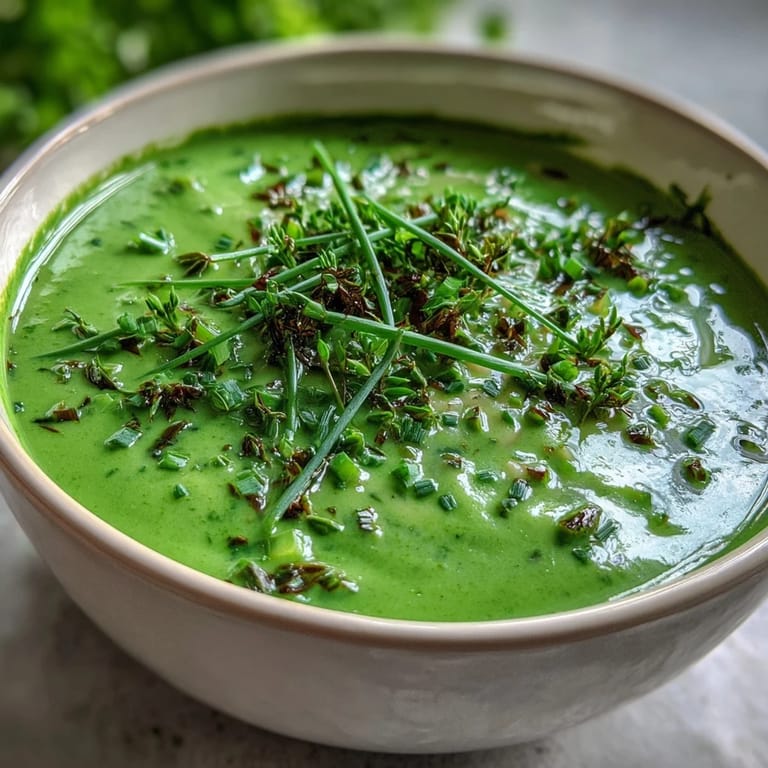
 There's something almost magical about watching a pot of disparate green vegetables transform into something silky and unified. I discovered this soup on a chilly March afternoon when I had a surplus of spinach that needed rescuing and a can of white beans languishing in my pantry. The result was so vibrant and satisfying that it became my go-to remedy for those days when the weather can't decide what season it is. Now, whenever I need comfort that doesn't feel heavy, this is what I reach for.
I made this for my neighbor who'd just finished a brutal week at work, and watching her face soften after the first spoonful reminded me why cooking for others matters. She asked for the recipe immediately, and I realized the soup's real magic wasn't just in the ingredients—it was in how it made her pause and breathe. That bowl somehow said everything I couldn't put into words.
Ingredients
- Olive oil: Use a good quality one if you can; it becomes part of the flavor profile here since it's not cooked off.
- Yellow onion: The foundation layer—don't skip the sauté or rush it, as this builds the soup's backbone.
- Garlic: Fresh cloves make a noticeable difference compared to jarred, trust me on this.
- Leek: Often overlooked, but it adds a subtle sweetness that regular onion can't match.
- Celery: Acts as a depth-builder; slice it thin so it cooks evenly with everything else.
- Broccoli florets: They'll break down during blending, creating natural creaminess without any dairy.
- Zucchini: Adds mild flavor and helps bulk up the soup without overwhelming it.
- Fresh baby spinach: Add it near the end so it retains its vibrant color and nutritional punch.
- Fresh parsley: This is where the soup gets its fresh, almost grassy note—don't use dried here.
- Fresh chives: A garnish that actually matters; they brighten every spoonful.
- White beans: Make sure to rinse them well to remove excess starch and prevent a gluey texture.
- Vegetable broth: Check the label if you're gluten-sensitive; some brands sneak wheat in.
- Dried thyme: Herbaceous and grounding; it prevents the soup from tasting one-dimensionally green.
- Sea salt and black pepper: Season in layers rather than all at once—this prevents a flat, over-salted finish.
- Lemon juice: The final wake-up call that ties everything together and brightens the earthiness.
Tired of Takeout? 🥡
Get 10 meals you can make faster than delivery arrives. Seriously.
One email. No spam. Unsubscribe anytime.
Instructions
- Build your aromatic base:
- Heat the olive oil in your pot and add the diced onion, sliced leek, celery, and minced garlic together. Let them soften for about 5 minutes, stirring occasionally—you're not looking for color, just fragrance and tenderness. The kitchen will smell warm and inviting, and that's your signal you're on the right track.
- Add the sturdy vegetables:
- Toss in the broccoli florets and diced zucchini, stirring for a couple of minutes so they get a chance to kiss the oil. This step builds flavor layers that blending alone won't create.
- Bring it all together:
- Pour in the white beans, vegetable broth, water, dried thyme, salt, and pepper. Bring everything to a gentle boil, then lower the heat and simmer uncovered for about 12 minutes until the vegetables yield easily to a fork. The broth will turn a beautiful pale green as the vegetables release their essence.
- Wilt in the greens:
- Add the fresh spinach, parsley, and chives, stirring until everything collapses into the hot broth—this takes just 2 minutes. At this point, the smell alone is worth the effort.
- Blend to creamy perfection:
- Remove the pot from heat and use an immersion blender to puree everything into a silky soup, or carefully work in batches with a countertop blender. The immersion blender gives you more control and feels less chaotic.
- Season and brighten:
- Stir in the lemon juice, taste carefully, and adjust the salt and pepper as needed. A pinch more lemon can make a world of difference if it tastes flat.
- Serve with intention:
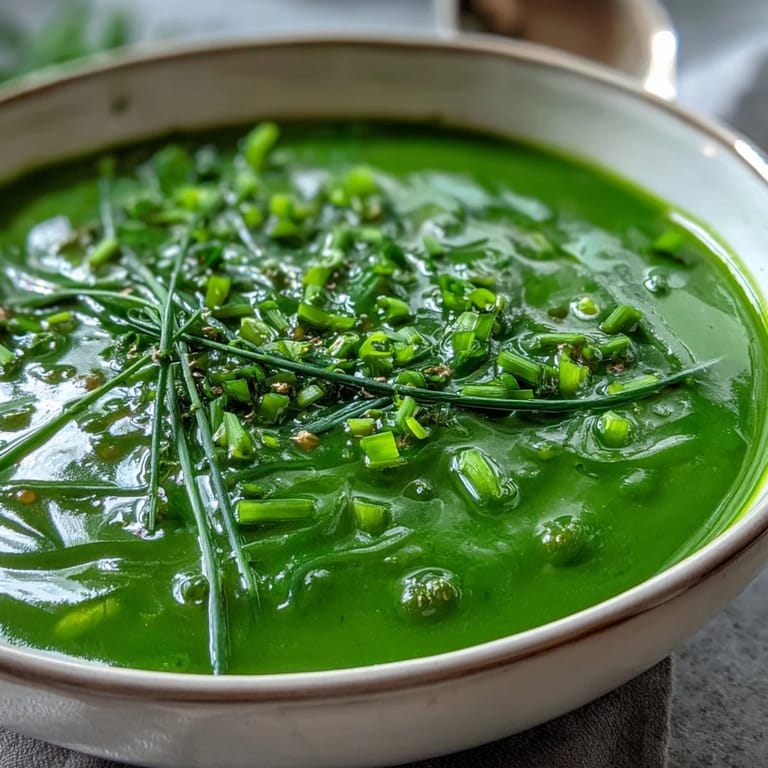
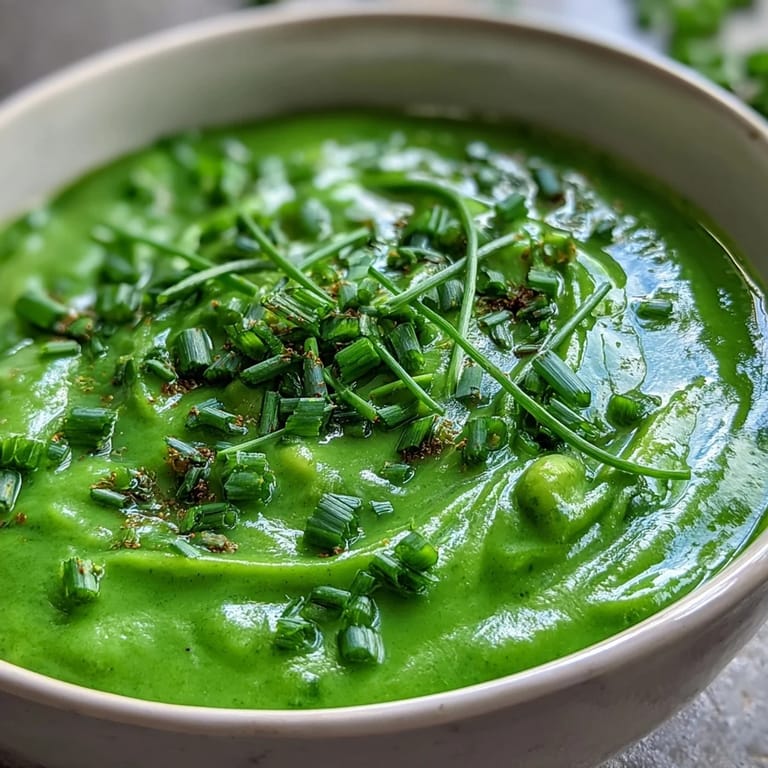
- Ladle the soup into bowls and garnish with those extra chopped chives—they're not just decoration, they're the flavor finale.
 Save to Pinterest
 My mother once told me that a good soup knows how to listen, and I finally understood what she meant while making this one. It doesn't demand complicated techniques or rare ingredients—it just asks that you pay attention and taste as you go. That quiet attentiveness is what turns a simple pot of vegetables into something people remember.
The Secret to Silky Texture
The blending technique matters more than you'd think. If you use an immersion blender directly in the pot, you maintain better control and avoid the occasional splatter that comes with transferring hot soup to a countertop blender. The broccoli naturally breaks down into a creamy base, so you don't need cream or coconut milk unless you want extra richness. I've found that pulsing with the immersion blender rather than running it continuously gives a more refined texture with subtle variation.
Customizing for Your Mood
This soup is honest about what it is, but it's also flexible about what it can become. On nights when I want something more substantial, I add a quarter cup of coconut milk before blending, which rounds out the flavors and creates a more luxurious mouthfeel. Sometimes I leave it slightly chunkier by blending only half, which appeals to people who find ultra-smooth soups a bit monotonous. The beauty is that none of these variations require you to start over.
Beyond the Bowl
This soup pairs wonderfully with crusty bread for dipping, or you can drizzle it with a thread of good olive oil and a grind of fresh pepper for serving without sides. I've even used leftovers as a base for a grain bowl, ladling it over cooked quinoa or farro for a different meal entirely. The flavor actually deepens after a day in the refrigerator, so don't hesitate to make a double batch.
- Store in an airtight container for up to 4 days in the fridge or freeze for up to 3 months.
- Reheat gently on the stove rather than the microwave to preserve the fresh flavors.
- If the soup thickens too much after sitting, thin it with a splash of broth or water when reheating.
 Save to Pinterest
 This soup has a way of turning ordinary ingredients into something that feels intentional and nourishing. Make it when you need a quiet win in the kitchen.
Questions & Answers
- → What vegetables enhance the flavor of this soup?
Onions, leeks, celery, broccoli, zucchini, fresh parsley, and chives create a layered, fresh vegetable profile.
- → How is the creamy texture achieved?
The soup is puréed after cooking, blending white beans with leafy greens for a naturally creamy consistency.
- → Can this soup be prepared gluten-free?
Yes, simply use a gluten-free vegetable broth and ensure canned ingredients have no gluten cross-contamination.
- → What seasoning complements the greens and beans here?
Thyme, black pepper, sea salt, and a splash of lemon juice balance and brighten the flavors.
- → Are there options for making this soup richer or chunkier?
Add coconut milk or Greek yogurt before blending for creaminess, or blend only half for a chunkier texture.